Gurpreet Kaur’s journey in this world ....
Gurpreet Kaur was a Musician. She was a singer and a composer of music. Her interest was composing and singing Gurbani Shabads in Indian Classical style. She sang Shabads in All the Raags mentioned in Sri Guru Granth Sahib Ji. She also taught Gurmat Sangeet at Gurmat Gian Missionary College, Jawadi, Ludhiana.
Elder child to Pushpinder Kaur and Dr. Brig. Harminder Singh, was born in Amritsar on 13th Jan 1962. She attended various convent schools as a child because her father would get frequent Army postings as a dental surgeon. She graduated with Music Honors from Govt. College for Women, Chandigarh.
Music was her hobby and she composed and sang Raag based Gurbani Shabads. Doing Kirtan was part of growing up nurtured by her parents. She learned music from her father Dr. Brigadier Harminder Singh who was a dental surgeon in Indian Army and a very good singer himself. Gurpreet’s Bhua (father’s sister), Ajit Kaur retied as a Head of Department of Music from Govt. College for Women Ludhiana, and was a renounced Punjabi singer of her time. Gurpreet Kaur also learned nuances of Indian Classical Music from Pandita Sharma.
She was a mother of three children, and a grandmother. Her daughter Keerat Kaur is a Computer Engineer. Her two sons Gurkeerat Singh and Jaskeerat Singh are doctors in USA. Her daughter Keerat Kaur too was part of her group ~ Gurmat Gian Group.
Gurpreet Kaur left this world at the age of 54yrs on 12th Sept 2016 in Baltimore USA.
She had recorded around 25 cds of Gurbani Keertan.
'Raag Ratan' Album (6 CDs) is a Compilation of Shabads in All the 31 Sudh Raags of Sri Guru Granth Sahib Ji.
'Gauri Sagar' Album (3 CDs) is a Compilation of All forms of Raag Gauri in Sri Guru Granth Sahib Ji.
'Nanak Ki Malhaar' ~ ((3 CDs) is an album of Raag Malhar Shabads in various forms of Malhar.
'Gur Parsaad Basant Bana' ~ (3 CDs) is an album of Shabads in Raag Basant sung in various forms of Raag Basant.
Har Ki Vadeyai
Sarni Aayea
Sewa
Priya Kee Preet Piyaree
Mohan Ghar Aavho Karo Jodariya
Mo Kao Taar Le Raama Taar Le
Tere Kavan Kavan Gun Keh Keh Gawan
Mera Baid Guru Govinda
Saajanrraa Mera Saajanrraa
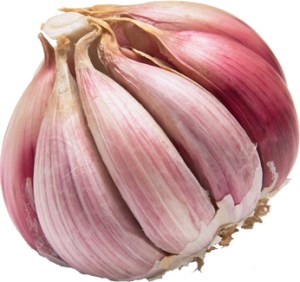
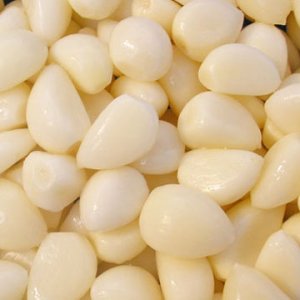
Garlic is widely used around the world for its pungent flavour and as a seasoning or condiment. Garlic may be applied to breads to create a variety of classic dishes. Garlic is used world over to make a wide variety of dishes.
Studies report that garlic consumption may decrease the progression of cardiovascular disease. It may also reduce Blood Pressure.
In a study it was found that garlic helps prevent and treat the common cold.
Garlic may strengthen the immune system, helping the body fight diseases such as cancer. Particularly colon and stomach cancers and also breast, prostate, and laryngeal (throat) cancers.
Antiparasitic properties.
Fresh garlic contains allicin, which is reported to have antibacterial, antiviral, and antifungal properties.
Garlic consumption may kill bacteria known to cause ulcers H. Pylori.
The chemicals that contribute to the pungent flavour of garlic also contribute to help block cancer by preventing the formation of some carcinogens that damage DNA. Garlic may also help to stimulate the production of immune-system chemicals interleujin-2, tumour necrosis factor and interferon gamma-the same substances that are used by doctors in some cancers therapies that are based on manipulation of immune system.Fresh garlic juice can kill various microorganisms. Some studies have suggested that eating lots of chopped garlic may lower the risk of colon and stomach cancer by up to 35-50 %. The garlic is said to contain compounds that stop the growth of ulcer causing Helicobacter pylori bacteria. which is identified as a strong risk factor for gastric ulcer.
How much to eat?
5-18 gms – about 2-6 cloves a week. Better to have raw or lightly cooked garlic.
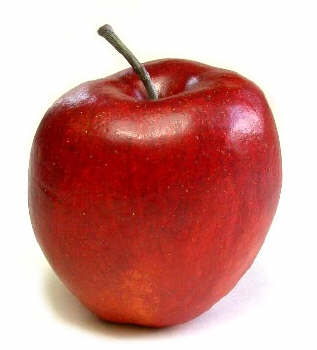
Nearly 7,500 varieties of Apple are grown all over the world. The apple is a native of Eastern Europe and Western Asia and has been cultivated from pre-historic times.The apple is a highly nutritive food. It contains minerals and vitamins in abundance.
Food Value
Minerals and Vitamins
Moisture
84.6%
Calcium
10 mg
Protein
0.2%
Phosphorus
14 mg
Fat
0.5%
Iron
1 mg
Minerals
0.3%
Vitamin A
40 IU**
Fibre
1.0%
Small amounts of Vitamin E, and B Complex
Carbohydrates
13.4%
100%
Calorific Value – 59
*Values per 100 gms edible portion
**International Unit
The skin of apple should not be discarded when taking it in raw form as the skin and the flesh just below it contain more vitamin C than the inner flesh. The vitamin content decreases gradually towards the centre of the fruit. The skin also contains five times more vitamin A than the flesh.
Apple contains Pectin and Malic acid.
Iron contained in the apple helps in formation of blood.
Raw apples are good for constipation.
Cooked or baked apples are good for diarrhoea.
Apples have been found useful in acute and chronic dysentery among children. Ripe and sweet apples should be crushed into pulp and given to the child several times a day.
Apples are of special value to heart patients. They are rich in potassium and phosphorus but low in sodium. It is also useful for patients of high blood pressure.
Apple is also said to be beneficial to gout patients caused by increase of uric acid in blood.
Apples, boiled to a jelly, make a very good liniment for rheumatic pains. They should be rubbed freely on the affected area.
Sweet apples are valuable in dry hacking cough.
Apples are useful in kidney stones.
The apple peel water is an excellent medicine for the inflamed eyes as an eye wash. The over-ripe apples are useful as a poultice for sore eyes. The pulp is applied over the closed eyes.
Tooth-decay can be prevented by regular consumption of apples as they possess a mouth cleansing property.
The apple is the best fruit to tone up a weak and run-down patient. It removes deficiencies of vital organs and makes the body stout and strong. It tones up the body and the brain as it contains more phosphorus and iron than any other fruit or vegetable. Its regular consumption with milk promotes health and youthfulness and helps build healthy and bright skin.
Triphala is household name in the Indian subcontinent. Triphala Churan is a powder of the dried fruits of three herbs without their seeds.Triphala is a combination of three important herbal fruits: –
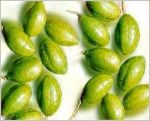
Amla – is the richest source of Vitamin C. It also contains tannic acid, glucose, protein, cellulose and calcium. Amla is useful for stomach problems, it is antipyretic, hair tonic and nerve brain tonic. Its also useful in anaemia, hyperacidity and in gynecological problems and epistaxis. Amla is considered to have restorative and preventive properties.Harad – Contains tannin up to 30%, chebulininc acid and Vitamin B complex. It has carminative properties. It has anti worm effect and protective effect on the lungs. It is considered beneficial for Asthma, Piles, constipation and sinus allergies.
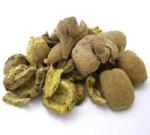
Baheda – Is rich in Vitamin A. It has astringent, digestive, laxative, anti- helmentic and expectorant properties.
Triphala is an important combination of medicine and is used extensively in Ayurvedic system of medicine. It is used as medicine as well as rejuvenating agent. It is said to remove toxins and various other undesirable accumulations from the body.
It is said to improve digestion and assimilation and act as antioxidant. It is also beneficial in chronic lung diseases, skin diseases, eye disorders and conditions with raised cholesterol levels.
Triphala can be taken with honey or with milk at bed time. Average daily dose is 2-5 gms.
Ginger is a common house hold herb in India. In India and China it is used as a spice in all types of vegetable preparations. Adrak ka aachar is a popular condiment in Asian countries.Other uses of ginger are in bakery items such as biscuits, cakes and puddings as well as in soups. Ginger bread is popular in western countries. Oil of ginger is used to make flavouring essence and in perfumery.
100 grm. of ginger contains moisture: 80.9 % , protiens: 2.3 %, carbohydrates: 12.3 %. Its caloric value is 67.
Therapeutic uses of ginger
As a soothing drink.
This can be made by boiling a small amount of crushed ginger in a cup of water. Add a teaspoon of honey and a little fresh lemon juice. This makes a soothing drink and can serve as a substitute for bed tea.
For Aches and Pains
Ginger acts as an excellent pain killer. For headaches – a ginger ointment made by crushing dry ginger on a grinding stone or otherwise, can be applied on the forehead. A few drops of ginger juice put in the ears relieves ear ache. Also if rubbed on the gums relieves toothache.
For Cold & Cough
Small amount (appx. 10 grm.) of ginger crushed or cut to small pieces to be boiled in a cup of water, sugar added to taste, can be had for cough and cold.
Ginger Tea – can be made by adding small amount of ginger in boiled water before adding tea leaves.
Ginger mixed with honey taken three times a day is a good remedy for cough.
For Diarrhoea
Dry ginger with crystals of rock salt to be powdered and taken with small piece of jaggery.
For Indigestion
Chewing a piece of ginger regularly after meals helps relieve dyspepsia.
Ginger juice + fresh lime + mint juice + honey helps gastrointestinal problems and piles.
For Irregular painful menstruation
Pieces of ginger boiled in water + small amount of sugar, taken three times a day is helpful.
For Bronchitis
Ginger powder + pepper + cloves + honey




 all types of vegetable preparations. Adrak ka aachar is a popular condiment in Asian countries.Other uses of ginger are in bakery items such as biscuits, cakes and puddings as well as in soups. Ginger bread is popular in western countries. Oil of ginger is used to make flavouring essence and in perfumery.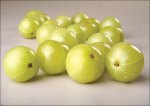
 Manbir Online ~ for Health & Fitness