|
Whenever there is water shortage in the house, one would prioritize the use of water for essential purposes. Similarly, when the body receives less water, histamine, a chemical compound present in all cells, initiates a system of water regulation. Histamine directs some neurotransmitters to operate sub-systems to regulate water intake. These sub-systems use chemical substances such as vasopressin” and renin-angiotensin for regulating water intake and distribution.
The ratio of the water content in and outside the cells of the various organs is very important. As age advances, water content in the cells decreases. Since the water content in each cell plays a vital role in maintaining is normal function, inadequate water can lead to loss of some functions. Loss of functions results in specific signs and symptoms. |
|
Important use of water for maintaining normal health
- Necessary for all chemical reactions in the body. Just as water helps a seed grow into a tree, it also helps our body grow from birth to adulthood.
|
|
- The flow of water inside and outside the cells generates energy. This energy is stored in body along with other chemical sources of energy in the body.
|
|
- The energy generated by the water in the cells helps transmit impulses in the nerves.
|
|
- Helps formation of a glue like material that helps the solid substances in the walls of the cells to be “stuck” to each other.
|
|
- Helps transport the chemical substances produced by the brain that carry its messages to different parts of the body.
|
|
- Just as there are lanes on a main road for different types of vehicles, chemical substances of the brain are transported in the “water lanes” along the length of the nerves.
|
|
- Water content in the body influences the functions of the various proteins and enzymes that are dissolved in it.
In addition to these, Nature Cure describes the following roles of water in our body |
|
- Water helps maintain the moisture of the lining of the internal organs of the body.
|
|
- It maintains normal volume and consistency of fluids such as blood and lymph.
|
|
- It regulates body temperature.
|
|
- It removes “poisons” or “toxins” from the body through urine, sweat and breathing.
|
|
- Water is essential for regulating the normal structure and functions of the skin.
|
|
- The body looses about four liters of water every day. It is therefore necessary to replenish this volume by drinking at least the equivalent amount of water every day. Inadequate intake of water can lead to dehydration.
Normal daily requirement of water
|
|
- Quantity of water required for the body functions depends on several factors such as age, climate, season, physical activity, type of food consumed, amount of condiments and spices used for cooking, the water content in the food, salt intake etc.
|
|
- Normally, our daily diet provides about two-third of the body’s requirement of water. Some health practitioners suggest that you drink about eight to ten glasses of water every day to meet the remaining one-third of the body’s requirement. You also need to drink a lot of water when you are tired and / or are sweating profusely.
|
|
- One should avoid drinking water while eating food, as digestion of the food is likely to be adversely affected. Water also dilutes the digestive juices in the stomach, thus leading to indigestion. It is desirable that you drink water on empty stomach or three hours after food or one to one and half-hours before food.
How should you drink water?
Nature Cure recommends that you need to “eat liquids and drink solids”. This means that you need to take water sip by sip, and “chew” it in the mouth in order to mix it with the saliva. Avoid regular use of straws for drinking water and or fluids.
What is the best type of water for drinking?
Nature Cure recommends drinking pure water to which no minerals are added.
However, water from natural sources may contain minerals that can be beneficial to the body in specific conditions due to their reaction and affinity towards the mineral content in the food.
Does temperature of the drinking water affect health? |
|
- Cold water from natural sources is fit for drinking because of six main reasons.
1. Lowers the body temperature
2. Dilutes the blood to the required consistency.
3. Promotes excretion of poisons from the skin in the form of “evaporation”.
4. Stimulates the normal functions of the kidneys and therefore increases the rate of removal of “poisons” from the body through the urine.
5. Increases movements of the intestines, thus facilitating formation and passing of soft stools. |
|
- Sipping hot water has several benefits too. For example, as soon as you drink hot water, there is instant stimulation of the inner lining of the stomach and contraction of its blood vessels. Thus, you are less likely to suffer from increased acid secretions in the stomach. Hot water cleans the stomach, relieves heartburn, belching, flatulence, acute indigestion, vomiting and cramps in the abdomen. It is important to remember that hot water should be sipped and not gulped.
Hydrotherapy
Hydrotherapy is a branch of healing systems that deals with the management of diseases such as headache, constipation, high blood pressure, etc. by using water, either as an external application or taken internally or both.
Water is used for hydrotherapy because of three main reasons:
1. It has immense power for absorbing and communicating heat.
2. Water is an universal solvent. This means that majority of the substances can dissolve in water.
3. Water can be easily frozen to a solid state as ice or heated to a gaseous form as vapour.
Contributed by Sanjeev Gupta
|
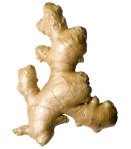 all types of vegetable preparations. Adrak ka aachar is a popular condiment in Asian countries.Other uses of ginger are in bakery items such as biscuits, cakes and puddings as well as in soups. Ginger bread is popular in western countries. Oil of ginger is used to make flavouring essence and in perfumery.

 Manbir Online ~ for Health & Fitness