Iodine Deficiency

Iodine Deficiency

Over a quarter of the world’s population faces problems of iodine deficiency.

Of them, 655 million persons have endemic goitre, 5.7 million cretinism and 26 million brain damage. Every year 60,000 still births, abortions and infant deaths occur within days of delivery owing to iodine deficiency.

Iodine deficiency constitutes the world’s major cause of preventable mental retardation ranging from mild intellectual blunting to overt cretinism.

IODINE is an essential micronutrient for humans. Even animals and plants need it. Iodine deficiency constitutes the world’s major cause of preventable mental retardation ranging from mild intellectual blunting to overt cretinism.Thyroid gland produces two hormones – thyroxine (T4) and tri-iodo-thyronine (T3). Iodine is used for the production of these hormones. Iodine also helps in the growth of new cells in the foetal life.Effects of iodine deficiency:

  • Enlargement of the thyroid – goitre
  • Cretinism
  • Mental retardation.
  • Subtle iodine deficiency affects the woman’s ability to have a pregnancy, increases foetal loss.
  • Leads to a lack of concentration, poor memory and sluggishness.

When the availability of iodine is low, the thyroid gland grows bigger and bigger. Iodine deficiency is the major cause of endemic goitre.
Neck irradiation for lymphnode malignancies, radiation exposure following nuclear accidents and even repeated X-Rays of the neck increase the risk of thyroid cancer in subjects with iodine-deficient goitres. Follow-up studies of the Chemobyl nuclear plants disaster have confirmed the risk of thyroid cancer from a nuclear accident.
Iodine deficiency during reproductive age may cause inability to conceive. Higher rates of pregnancy loss and, most importantly, mental retardation and various neurological manifestations in the newborn are well-known sequelae of iodine deficiency.

While iodine deficiency early in pregnancy accounts for neurological cretin that occurring later in foetal life and continuing through out infancy leads to a profound decrease in thyroid functions, resulting inmyxodematous cretin.

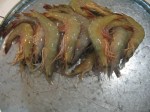
Unlike other nutrients such as iron, calcium, zinc or the vitaniins, iodine does not occur in sufficient concentration in natural foods. Small quantities of iodine are present in vegetables and drinking water. Deforestation and soil erosion increase the loss of iodine from the soil. Desalinated sea water and seafoods (prawns, fish crabs, snails, etc.) have higher quantities of iodine.
Soils from mountain ranges such as the Himalayas, the Alps and the Andes are areas devastated with frequent floods; these are iodine deficient. Hence, ground or surface water in these areas are iodine deficient.
The contamination of sea water by industrial and other organic wastes have significantly reduced iodine availability in our sea foods.

Dietary iodine supplementation has, therefore, become essential.

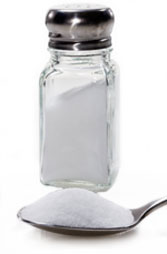
Potassium iodate is used for the iodinsation of refined salt. The level of iodisation at the production level is 30 mg per kg salt, aiming at providing an individual 30O ug of iodine in 10g of salt consumed.

Iodine being a volatile substance is rapidly lost from the iodised salt when it is kept open, near a fire place and or is added while cooking. A fresh packet of iodised salt should be obtained every month, stored away from the fireplace and added to food items after cooking.

The fear of harmful effects of iodine is totally unjustified. The use of iodised salt by people with iodine-sufficient status produces no hann. Iodised salt should be avoided by patients with thyrotoxicosis.

A practical way to include iodine rich foods in your body is to use iodized salt.
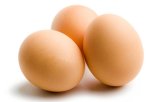
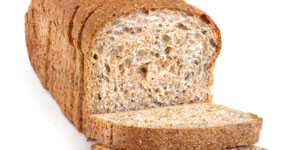
Prawns, Fish crabs, Snails, Shellfish are another sure way to consume iodine in your diet. Other food items with iodine content are Kelp (sea vegetable), Yogurt (low-fat), Egg (whole, boiled), Strawberries. Eating iodine rich breads such as various Rye breads will also provide high amounts of iodine.

  • Kelp (sea vegetable) – ¼ ounce, 415.00 mcg
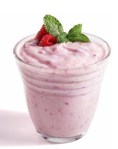
  • Yogurt (low-fat) – 1 cup, 87.22 mcg
  • Cow’s milk (2%) – 1 cup, 58.56 mcg
  • Egg (whole, boiled) – 1 each, 23.76 mcg
  • Strawberries – 1 cup, 12.96 mcg
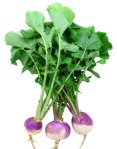
Other Natural food sources of Iodine include: garlic, asparagus, lima beans, mushrooms, sesame seeds, spinach, turnip greens, and soybeans.


Caffeine & Coffee

Caffeine & Coffee

Caffeine is known medically as Trimethylxanthine. Its chemical formula is C8H10N4O2. Caffeine has cardiac stimulant and also as a mild diuretic action. It provides a “boost of energy” or a feeling of heightened alertness.

Around 90 percent of Americans consume caffeine every day in one form or another. More than half of all American adults­ consume more than 300 milligrams (mg) of caffeine every day, making it America’s most popular drug by far.

Caffeine is a natural component of chocolate, coffee and tea, and is used as an added energy boost in most colas and energy drinks. It’s also found in diet pills and some over-the-counter pain relievers and medicines.

The amount of caffeine from dietary sources

Coffee, brewed – 40 to 180 mg per cup.
Coffee, instant – 30 to 120 mg per cup.
Coffee, decaffeinated – 3 to 5 mg per cup.
Tea, brewed American – 20 to 90 mg per cup.
Tea, instant – 28 mg per cup.
Tea, canned iced – 22 to 36 mg per 12 ounces.
Cola and other soft drinks, caffeine-containing – 36 to 90 mg per 12 ounces.
Cola and other soft drinks, decaffeinated – 0 mg per 12 ounces.
Cocoa – 4 mg per cup.
Tea, brewed imported – 25 to 110 mg per cup.
Chocolate, milk – 3 to 6 mg per ounce.
Chocolate, bittersweet – 25 mg per ounce.

Coffee is an important source of caffeine in our diet. If frequency of intake is taken into consideration, Coffee is number one source of antioxidant in American diet. Both caffeinated and decaf versions appear to provide similar antioxidant levels.

In a study it was found, of all the foods studied dates actually ranked top as the most antioxidants of all based  solely on serving size, but since dates are not consumed at anywhere near the level of coffee, the drink comes as top source of antioxidants.

Besides keeping one alert and awake, coffee has been linked to an increasing number of potential health benefits, including protection against liver and colon cancer, type 2 diabetes, and Parkinson’s disease.

  • Regular coffee drinkers are 80 percent less likely to develop Parkinson’s disease.
  • Two cups a day gives you 20 percent less risk of colon cancer.
  • Two cups a day causes an 80 percent drop in cirrhosis.
  • Two cups a day prevents gallstone development by 50 percent.
  • It has also shown to be beneficial in asthma, stopping headaches, boosting mood and even preventing cavities

These benefits may or may not be related to the other constituents in the coffee beans and not mainly to caffeine.

Another interesting study by The Byrd Alzheimer’s Institute in Tampa, Fla., showed that lab mice injected with caffeine were protected against developing Alzheimer’s disease. 

Genetically Modified Foods

Genetically Modified Foods

Genetic engineering is a process that involves transferring DNA from one organism into the DNA of another. By making changes in genetic information across species, scientists can give plants special characteristics such as that increases vitamin content and increased resistance to pests.
In US, the genetically engineered crops comprised 25 percent of the nation’s cropland, including 35 percent of all corn, 55 percent of all soybeans and 50 percent of all cotton. Many of these crops were exported.
Genetically engineered crops are being prefered by farmers as they create higher yields and lower production costs. They also decrease the need for pesticides.
Not everyone believes that this new technology is a good thing. Critics say weeds and pests could eventually adapt to the altered crops, requiring deadlier pesticides to eradicate them. Another worry is that native crop strains could be wiped out. Europe has not reacted as favorably to the use of the modified crops, requiring food labels to state whether a product contains genetically modified ingredients. United States does not require labeling of genetically modified foods.
Progress already has been made toward creating a strain of rice that has been genetically altered to contain vitamin A. Childhood blindness related to vitamin A deficiency, a serious global problem, could be dramatically reduced with the use of this new “golden rice”. Similarly high Iron containing rice variety has been created which could prove highly beneficial in combating Iron deficient Anaemia in developing countries.

Cancer Fighting Food

Cancer Fighting Food

Fruits and vegetables are rich in cancer-fighting nutrients. Colourful vegetables and fruits are more attractive to eat and they are more beneficial health wise.

More the colour, the more nutrients they contain.

 
  • Balanced Food: Meals should have a balance content – at least 2/3 plant-based foods – Not more than 1/3 animal protein.
 
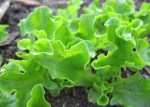
  • Folate is an important B vitamin that may help protect against cancers esp. of colon, rectum and breast. Breakfast cereals and whole wheat products are good sources of folate. So are orange juice, melons, and strawberries. We can have these breakfast time. Folate are also available in asparagus, eggs, chicken liver, beans, sunflower seeds, and leafy green vegetables like spinach and lettuce.
 
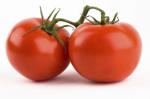
  • Tomatoes are great too. Studies have shown eating tomatoes reduced risk of several types of cancer, including prostate cancer. Lycopene, is said to add years to your life !
 
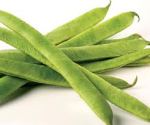
  • Beans are too good. it’s not a surprise that they may help fight cancer too. They contain several potent phytochemicals that may protect the body’s cells against damage that can lead to cancer.
 
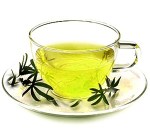
  • Tea, especially green tea, may be a strong cancer fighter. Green tea has slowed or prevented the development of cancer in colon, liver, breast, and prostate cells. It also had a similar effect in lung tissue and skin.
 
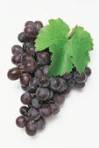
  • Grapes and grape juice, especially purple and red grapes, contain resveratrol. Resveratrol has strong antioxidant and anti-inflammatory properties. In laboratory studies, it has prevented the kind of damage that can trigger the cancer process in cells.
 
  • Alcohol: Cancers of the mouth, throat, larynx, esophagus, liver, and breast are all linked with drinking alcohol. So limit your alcohol intake to minimum or better still to nil.
 
  • Cabbage family include broccoli, cauliflower, cabbage, Brussels sprouts, and kale make excellent food item. Most importantly, these vegetables may help your body defend against cancers such as colon, breast, lung, and cervix. Dark green leafy vegetables such as mustard greens, lettuce, kale and spinach  have an abundance of fiber, folate, and carotenoids.
 
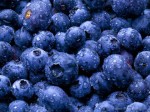
  • Blueberries: The potent antioxidents in blueberries may have wide value in supporting our health, starting with cancer. Antioxidants fight cancer by ridding the body of free radicals before they can do their damage to cells.
 
  • Turmeric: Curcumin is the main ingredient in the Indian spice turmeric and a potential cancer fighter. Lab studies show it can suppress the transformation, proliferation, and invasion of cancerous cells for a wide array of cancers.
 
  • Water not only quenches your thirst, but it may protect you against bladder cancer. The lower risk comes from water diluting concentrations of potential cancer-causing agents in the bladder. Also, drinking more fluids causes you to urinate more frequently. That lessens the amount of time those agents stay in contact with the bladder lining.
 
  • Cooking Methods: Frying, grilling, and broiling meats at very high temperatures causes chemicals to form that may increase cancer risk. Other cooking methods such as stewing, or steaming appear to produce fewer of those chemicals.
 
  • Vitamins may help protect against cancer. But that’s when you get them naturally from food.
Phytochemicals
Nutrition 
 

MSM

MSM ~ Methyl Sulphonyl Methane

MSM, Methyl Sulphonyl Methane is a naturally occurring sulfur compound. It is a natural source of sulphur. Sulphur exists in every cell of our body and is found in animal protein food such as fish, meat, and milk and also in fruit and vegetables.

Sulphur is an element found in all living organisms and the fourth largest mineral found in the human body. It is found in every cell of our body. Approx. half of the total body sulphur is concentrated in the muscles, bones and skin.  Sulphur is a component of protein Keratin found in nails, hair and skin. Sulphur is essential for the production of collagen which is a primary constituent of cartilage and connective tissue. It is needed for the synthesis of connective tissue, enzymes and immunoglobulin. It is also needed to form serum proteins. It is important for the sulphur amino acids like methionine, cysteine and taurine.

Sulphur has a role in liver to secrete bile. It acts as a scavenger and takes out free radicals.

Sulphur is a significant component of Insulin, the protein hormone secreted by the pancreas, that is essential to the metabolism of carbohydrates.

Health conditions that may benefit from MSM 

Many health related conditions are said to respond to MSM but no proved claim for cure has been made yet. Some of the conditions where MSM may be of use are as under:

  • Arthritis – Osteoarthritis – Rheumatoid Arthritis
  • Acne
  • Allergies – Asthma – Bronchitis
  • Constipation – Hyperacidity
  • Breast cancer & Colon cancer
  • Scar tissue restorative
  • Skin, Hair and nail health
  • Snoring
  • Systemic Lupus Erythematosus
  • High Cholesterol
  • Diabetes
  • Muscle pains

Glucosamine in combination with MSM is shown to have beneficial effect in the treatment of osteoarthritis. 

Glucosamine