
INTRODUCTION
Hyperlipidaemia has emerged as one of the most important preventable and modifiable risk factors for coronary heart disease (CHD). Clinical signs of this condition are an increase in the fasting serum cholesterol level (hypercholesterolaemia) or the fasting serum triglyceride level (hypertriglyceridaemia) or both. A meta- analysis of 16 randomised trials involving cholesterol-lowering interventions reported a 2.5% reduction in CHD incidence for every 1% cholesterol reduction. Lipid levels may be affected by diet, exercise, smoking, certain medications (e.g : beta blockers, thiazide diuretics, glueocorticoids) and concurrent disease states (e.g . kidney and liver diseases).
LIPIDS AND LIPOPROTEINS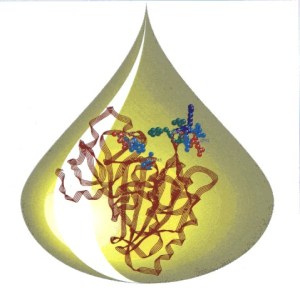
The major plasma lipids include cholesterol, triglycerides and phospholipids. Lipoproteins are macromolecular complexes that play an important role in the transport and metabolism of lipids. Lipoproteins have been classified on the basis of their densities into five major classes, chylomicrons, very low density lipoproteins (VLDL), intermediate density lipoproteins (IDL), low-density lipoproteins (LDL) and high-density lipoprotelm (HDLP).
LIPID CONCENTRATIONS AND CHD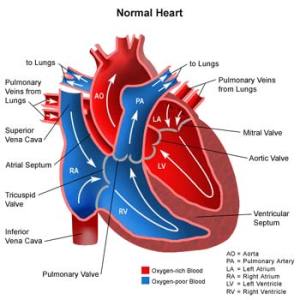
•Total cholesterol (TC) is a sum of HDL cholesterol, LDL cholesterol and 20% of the triglyceride value. TC level is an excellent predictor of CHD. Since atheroselerosis begins early in life cholesterol levels in young adults predict CHD risk 30 to 40 years later. Cholesterol measurement will thus reduce the long-term risk for CHD.
•Although the role of high triglycerides as an independent factor in the development of CHD remains controversial, data from several prospective studies suggest that triglycerides are probably an important risk factor. Hypertriglyceridaemia is often associated with increased plasminogen activator inhibitor levels and impaired fibrinolysis. This is especially of importance in the Indian context since triglyceride levels are considered to be significantly elevated in Indians. However, recent data show that cholesterol levels are also significantly elevated in the Indian population.
The relation between VLDL and CHD is unclear at present. However, elevated VLDL levels occur quite commonly in persons afflicted by premature CHD. Moreover, VLDL gives rise to LDL, which has been undoubtedly proven to be atherogenic.
•LDL cholesterol is highly atherogenic, hence high levels of LDL increase the risk of CHD.
LDL = TC – (HDL + triglyceride/5)
•HDL cholesterol has been found to be inversely related to subsequent development of CHD, i.e. as HDL cholesterol increases, CHD risk decreases.
•Cardiac risk ratio i.e. Total cholesterol/ HDL, is an extremely potent predictor of CHD
•Lp (a), an LDL particle to which a large plasminogen-like protein, termed apo(a) has been linked via a disulfide bond is an atherogenic lipoprotein. There has been speculation that apo(a) could competitively inhibit the binding of plasminogen to its reeeptor and thus decrease plasmin formation and thrombolysis.
DIAGNOSIS
It is recommended that aduIts above 20 years shouid have total cholesterol and HDL measured at least once every five years.If these levels are abnormal, a lipoprotein analysis which measures 12 hours fasting total cholesterol, HDL and triglyceride is recommended. TC and LDL levels may be reduced by illness, inflammation, surgery and trauma. Hence, the measurements should be repeated after the illness has subsided. Patients at higher risk should be tested more often.
CONCLUSION
Effective control of the blood lipid levels reduced cardiovascular morbidity and mortality both in patients with established CHD and in those at risk of developing CHD. Hence knowledge of the various aspects of the lipid profile and the significance of each of the parameters is vital and is essential part of management of CHD and people at risk of CHD.
Drugs that reduce blood cholesterol levels also cut heart patients’ long-term risk of dying. Researchers now report that aggressive treatment to reduce blood fats (lipids) in patients with chest pain or those who have just had a heart attack can reduce their risk of dying by as much as 60%.


 Manbir Online ~ for Health & Fitness