Diet and Asthma

Some of the findings of a Dutch study in relation to diet in young children with asthma.

Young children who regularly eat full cream milk, butter and other products that contain milk fat are less likely to develop asthma. These children had  less wheezing than children who did not have milk fat in their diet.

Children who ate brown bread daily also had lower rates of asthma and wheezing

The study also found children who consumed fruit juice and vegetables daily had lower asthma rates than other children.

Skip breakfast during exams !

Skip breakfast during exams !

Research suggests that hunger pangs may trigger memory.
American scientists at Yale University found that the hunger hormone ‘ghrelin’ can increase the number of nerve connections in the area of brain where new memories are formed, which may result in the better creation and retrieval of memories.
The study provides evidence that ghrelin may control higher brain functions and may represent a molecular link between learning capabilities and energy metabolism.
It is possible that we are more alert and keyed up to both remember and recall more readily when stressed by hunger.

Low Fat, Low Cholesterol Food

Low Fat, Low Cholesterol Food

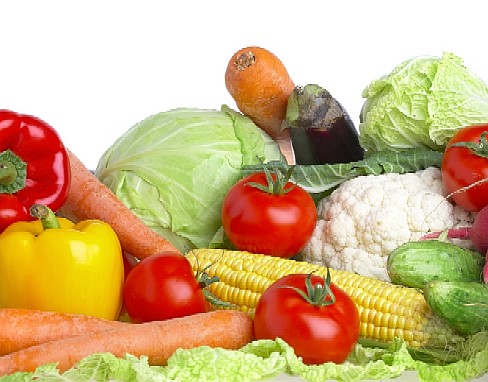
Various food items can be grouped in relation to their fat and cholesterol content

Free Foods

*Juices like tomato, lime juice, clear soup, plain soda, diluted butter milk.
*Green leafy vegetables.
*Fresh green salads and other vegetables except roots and tubers.
*Fat free pickles.

Foods Permitted in limited quantities

*Refined oils- sunflower, sesame and soyabean oil are better than other oils.
*Mayonnaise and other sauces made in vegetable oils may be taken in limited amount.
*Egg white can be taken.
*Lean meat, chicken, fish in limited amount provided cooked without fat i.e. boiled, steamed, roasted or baked. Chicken and fish (50 gm) not more than 2 times a week and red meat not more than once in 15 days.
*Skimmed milk intake mot to exceed 500 ml in a day.
*Fruits like guava, orange, papaya, water-melon, apple – 100 gm / day.

Foods to be Avoided

*Fats like butter, ghee, vanaspati, coconut oil.
Fried food
*Puddings and cakes, pasties made in saturated fats or butter, ice creams.
*Ham, bacon, yolk of egg, red meat, organ meats, crab, shrimps.
*Pickle made in oil.
*Milk products like cheese, cream.
*Nuts like almonds, cashewnuts, pea-nuts.
*Canned,tinned, preserved and processed foods to be avoided.
*High calorie fruits like banana, mango, grapes.

Foods Recommended

*High fiber food items like green leafy vegetables and green salads should form essential part of daily menu.
*Inclusion of wheat flour with black channa flour or barley flour(4:1) is advisible.
*Whole grams and pulses are preferable to polished ones. Sprouted or raw form should be taken frequently.
*Wholewheat bread is preferable to refined flour bread.

Golden Rules

*No Feasts No Fasts
*Equal spacing of three major meals per day.
*Free Food items should be taken between meals ar when ever hungry.
*There is not hard and fast rule that can be followed. Every food item has to be judged in relation to the quantity of other food items being taken during the meals or being taken in a day.

Lipid Metabolism

Lipid Metabolism

Most of the dietary fat is absorbed into the blood in chylomicrons. Triglyceride is removed from the chylomicrons by lipoprotein lipase in the blood, fatty acids released are taken up by the adipose tissue (Fat storage tissue) and the chylomicron ramnants are removed by the liver.Triglyceride taken up by the liver is broken down to 2-carbon fragments which are used in many metabolic processes. Free fatty acids liberated by the adipose tissue is also taken up by the liver and used in simillar way.
In these processes lipid aggregates are formed containing triglycerides, phospholipids and cholesterol. These are combined with apoproteins to form Lipoproteins which are released into the blood.
These Lipoproteins are:
1. VLDL – Very Low Density Lipoproteins
2. IDL – Intermediate density Lipoproteins
3. LDL – Low Density Lipoproteins
4. HDL – High Density Lipoproteins

The density of the lipoproteins is determined by the relative protein and lipid content with high density lipoproteins containing high protein and less lipids.

The liver synthesises more cholesterol than any other organ. The cholesterol is incorporated into lipoproteins or converted to bile acids or excreted into bile. In biliary obstruction of any kind serum lipid concentration increases mainly due to formation of abnormal lipoprotein known as Lipoprotein X.

LIPID PROFILE

LIPID PROFILE VALUES

Lipid Profile Values

Lipid Profile Values

ADULT VALUE

Desirable

Borderline

High Risk

Cholesterol

<200 mg /dl

200-240mg /dl

>240 mg /dl

Triglycerides

<200 mg /dl

200-400 mg /dl

400-1000 mg /dl

HDL-Cholesterol

>60 mg /dl

35-45 mg /dl

<35 mg /dl

LDL-Cholesterol

<130 mg /dl
( <100 mg /dl if the patient has CHD )

130-160 mg /dl

>160 mg /dl

Cholesterol to HDL Ratio

< 4.0

5.0

> 6.0

Lipid Profile