
Vitamin C
In most animals, ascorbic acid ( vitamin C ) can be synthesized from glucose. However, humans, and the guinea pig are unable to synthesize it. The enzyme that catalyzes this reaction (L-gluconolactone oxidase) is defective in humans. Thus the need for vitamin C in the diet is the result of an inborn error in carbohydrate metabolism.
Structure of Vitamin C
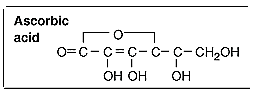
The vitamin is present in milk and some meats (kidney, liver, fish) and is widely distributed in fruits and vegetables. A portion is lost after prolonged storage of unprocessed fruits and vegetables (e.g., potatoes), but it is partially preserved ( half or greater) by most means of food processing (boiling, steaming, pressure cooking, preserving jams and jellies, freezing, dehydration, and canning).
As a consequence, the recommended daily allowances can be met with even a modest intake of fruits and vegetables.
Utilization of the vitamin is increased during pregnancy and lactation and in thyrotoxicosis, and absorption is decreased in diarrheal states and in achlorhydria.
Recommended Dietary Allowances of Vitamin C
|
Age – years |
|
Vitamin C |
|
Infants |
30-35 mg |
|
|
Children 1-3 |
40 mg |
|
|
Children 4-10 |
45 mg |
|
|
Males 11-14 |
50 mg |
|
|
Males 15+ |
60 mg |
|
|
Females 11-14 |
50 mg |
|
|
Females 15+ |
60 mg |
|
|
Pregnancy |
70 mg |
|
|
Lactation |
95 mg |
Vitamin C Deficiency
The total-body pool of vitamin C varies from 1.5 to 3 g. Deficiency of Vitamin C causes Scurvy.
Scurvy now occurs in areas of urban poverty. An increased incidence occurs at 6 to 12 months of age in infants whose processed milk formulas are unsupplemented with citrus fruit or vegetables as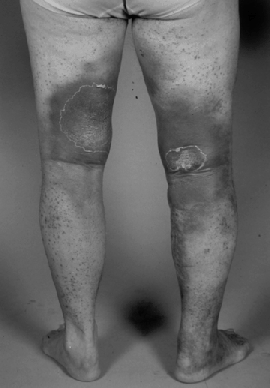 a result of maternal error or neglect. This is uncommon in developed countries.
Another peak occurs in middle and old age. Edentulous men ( men without teeth ) and those who live alone and cook for themselves are particularly prone. The affected individuals usually have deficiencies of other dietary constituents as well.
In adults, hairs become fragmented, purpura (bleeding) into the skin, beginning on the backs of the lower limbs coalescing to become ecchymoses ; hemorrhage into the muscles of the arms and legs. Haemorrhages into joints; splinter haemorrhages in the nail beds; gum involvement (only in people with teeth) that includes swelling, friability, bleeding, secondary infection, and loosening of the teeth; poor wound healing and breakdown of recently healed wounds; petechial hemorrhages in the viscera; and emotional changes. In the later stage – icterus, oedema, and fever are common, and convulsions, hypotension, and death may occur abruptly. Anaemia is common and is due to bleeding into tissues.
In infancy and childhood, haemorrhages in to the bones causes painful swellings. Sternum of chest may sink inwards
Treatment : The usual dose in adults is 100 mg three to five times a day by mouth until 4 g has been given. Then 100 mg/d.
In infants and children, administration of 10 to 25 mg three times a day is adequate. A diet rich in vitamin C should be initiated simultaneously. Spontaneous bleeding usually ceases within 24 hrs, muscle and bone pains subside quickly, and the gums begin to heal within 2 to 3 days.
Vitamin C content of various food items
| Vitamin C content of various food items | mg /100 gm edible portion | |
| Amaranth | 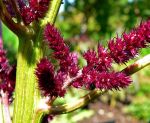 |
99 |
| Asparagus | 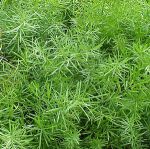 |
33 |
| Bitter Gaurd | 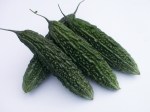 |
88 |
| Cabbage |  |
124 |
| Drumstick-Pods | 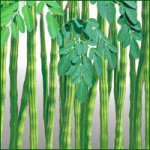 |
120 |
| Drumstick leaves | 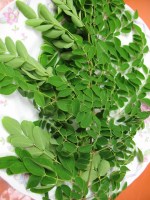 |
220 |
| Fenugreek | 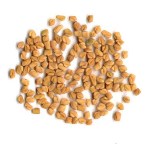 |
52 |
| Lettuce | 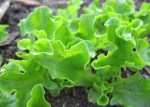 |
10 |
| Mint |  |
27 |
| Raddish leaves | 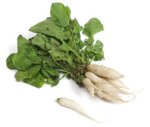 |
81 |
| Spinach |  |
28 |
| Tomato | 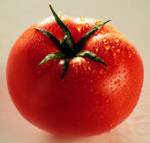 |
27 |
| Amla (Indian Goosberry) | 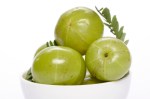 |
600 |
| Jamun (Rose apple, Java plum) | 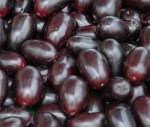 |
18 |
| Lemon | 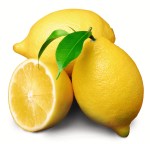 |
63 |
—


 Manbir Online ~ for Health & Fitness