
|
Want to loose weight? |
||
|


|
Want to loose weight? |
||
|
|
Fish Fat fights Alzheimer’s disease |
|
A diet rich in Omega-3 fatty acid called DHA found in Salmon and other oily fish might help protect the brain from Alzheimer’s. A study done in genetically engineered mice showed that such a diet helped prevent loss of memory and brain damage.
|
Vitamin K is necessary mainly for the coagulation of blood. It aids in forming prothrombin, an enzyme needed to produce fibrin for blood clotting.
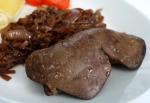
The richest sources of vitamin K are alfalfa – a plant, Medicago sativa of the legume family, having bluish purple flowers, and fish livers, which are used in making concentrated preparations of this vitamin.
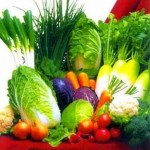
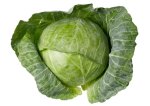
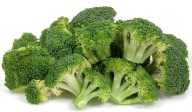
Dietary sources include all leafy green vegetables, egg yolks, soybean oil, green tea, broccoli, kale, spinach, cabbage, asparagus, dark green lettuce and liver. For a healthy adult, a normal diet and bacterial synthesis in the bowels usually are sufficient to supply the body with vitamin K and prothrombin.
|
|
 |
 |
 |
 |
 |
 |
 |
 |
Chlorophyll is the substance in plants that gives them their green color and provides vitamin K.
Digestive disturbances and excessive intake of vitamin E may lead to defective absorption of vitamin K and hence to mild disorders in blood clotting.
Vitamin K is a fat-soluble vitamin, so it is stored in the body’s fat tissue and liver. It is rare to have a vitamin K deficiency.
Sometimes taking antibiotics can kill the bacteria and lead to a mild deficiency. Vitamin K deficiency can lead to excessive bleeding, which may begin as oozing from the gums or nose.
Conditions when vitamin K deficiency may deveop:
All newborns receive vitamin K injections to prevent the possibility of hemorrhage (particularly in the brain) just after delivery. Babies are born without any bacteria in their intestines and do not get enough vitamin K from breast milk to tide them over until their bodies are able to make it.
Newborns at greatest risk for vitamin K deficiency are those who are born prematurely or whose mother had to take seizure medications during pregnancy. Mothers on seizure medications are often given oral vitamin K for 2 weeks prior to delivery.
Vitamin K is needed for proper use of calcium in bones. Higher vitamin K levels correspond to greater bone density, while low levels of vitamin K have been found in those with osteoporosis. There is increasing evidence that vitamin K improves bone health and reduces risk of bone fractures, particularly in postmenopausal women who are at risk for osteoporosis.
|
An Egg a day keeps blindness away |
|
As per a US nutrition researcher, a compound in egg may help in keeping macular degeneration, one of the leading causes of blindness in the world, at bay. Leutin, a carotenoid is found in leafy vegetables and egg yolk. It is the only carotenoid, which the body concentrates in the macular region of the eye. Leutin protects the eye against damage from ultraviolet rays as it absorbs the UV rays. |
|
Grains against Cancer |
|
Finnish researchers have reported that a high intake of linoleic acid found in Walnuts, Beans and Wholegrains lowers the risk of prostate cancer and other cancers. Men with highest amount of linoleic acid were 45% less likely to develop prostate cancer than those with lower levels. It also reduced the risk of other cancers but the magnitude was not as great as seen with prostate cancer. |
 Manbir Online ~ for Health & Fitness