Cholesterol Lowering Foods
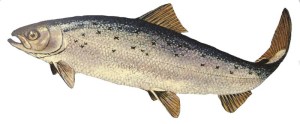
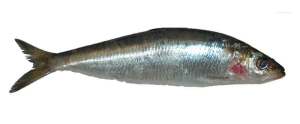
It is claimed that dozens of foods have a cholesterol lowering effect. But there is nothing like a magic food. Most of them need to be eaten in multiple servings to be of any effect. Seafood: Though some studies found that fatty fish, like salmon and sardines, lower total and blood vessel-damaging LDL cholesterol levels (often called the “bad” cholesterol), this has been disputed by others. Still, eating fish a couple times a week is a better choice than a saturated-fat-rich piece of steak.
Garlic: Garlic which had a reputation of being a cholesterol lowering effect has got a lot of bad press when two well-designed studies found that ingesting the equivalent of one to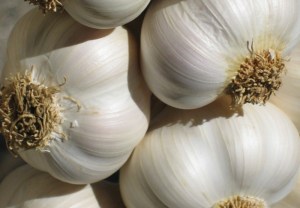 one and a half cloves a day, taken as supplements, didn’t make a dent in total or LDL cholesterol, nor did it affect cholesterol metabolism. While some experts still claim that whole garlic cloves may reduce cholesterol levels, critics like Dr. Tu Nguyen, assistant professor of medicine at the Mayo Medical School, are unequivocal. “Garlic’s been well studied,” Dr. Nguyen says, “and it doesn’t lower cholesterol.”
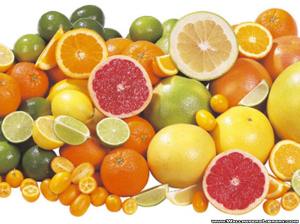
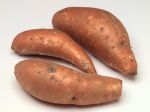
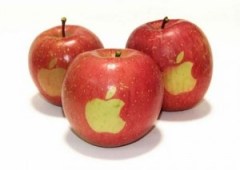
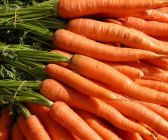
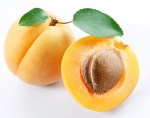
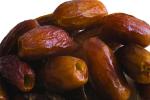
Fruits and Vegetables: Certain fruits and vegetables are particularly rich in pectin, a soluble fiber that may help lower total and LDL cholesterol. It does its job by trapping cholesterol-containing bile acids in the intestine and ushering them out of the body. The problem is you need to eat a lot — the equivalent of six large apples a day — to get maximum benefit. Nonetheless, Pat Streicher, dietitian manager at the Jewish Hospital Cholesterol Center in Cincinnati, suggests getting three to four servings a day of water-soluble fiber foods, such as citrus fruits (especially the inner white rind), apples, berries, carrots, apricots, dates, figs, prunes, cabbage, Brussels sprouts and sweet potatoes.
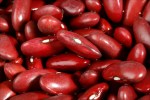
Beans: Lima, kidney, black beans and other legumes are loaded with soluble fiber that can help curb cholesterol levels. Studies have found that eating 1½ cups of cooked beans a day can cause significant dips in total and LDL cholesterol levels. “Beans figure prominently in lowering cholesterol,” says Cyndi Reeser, lead nutritionist at George Washington University Lipid Research Center. “I highly recommend them several times a week, if not daily.”
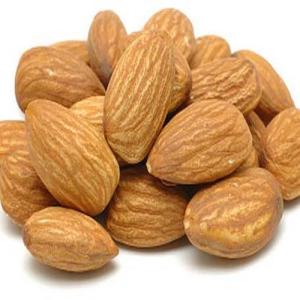
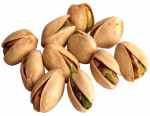
Nuts: Nuts are loaded with fat and calories. Yet, in several studies, eating 2 to 4 ounces a day significantly reduced total and LDL cholesterol levels. Scientists speculate these benefits may come from poly- and monounsaturated fats, which can lower cholesterol when substituted for saturated fat, and several phytochemicals, like plant sterols, that can inhibit cholesterol absorption. Almond, walnuts and pistachios are said to benefit in lowering cholesterol.
Good Cholesterol
Low Fat, Low Cholesterol Food
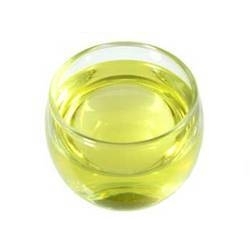 Almond oil is used for skin massage. It can be used for falling hair. To improve complexion equal amount of honey and almond oil can be applied on the face.







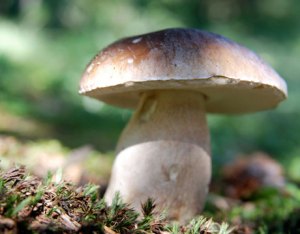
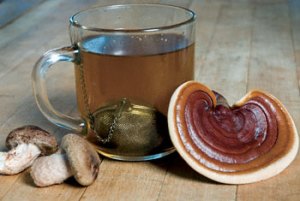 Mushroom or Manchurian tea is considered a very healthy drink. This is made from a type of mushroom which originated in the Russian region of Kargasok, where most of the people lived well over hundred years. It is also claimed that this tea lowers high blood pressure, prevents premature wrinkling of skin.
 Manbir Online ~ for Health & Fitness