
Acquired Generalized Lipodystrophy
SynonymLawrence Syndrome
Acquired Generalized Lipodystrophy is a rare disease. It is characterized by generalized disappearance of body fat after birth. These patients have normal fat at birth.
The onset of lipodystrophy occurs in the childhood and adolescence and may occur following infections such as varicella, measles, pertussis, diphtheria, pneumonia, osteomyelitis, parotitis, infectious mononucleosis, and hepatitis.
Clinical features
- Patients lose body fat over a period of months or years. Eventually generalized loss of fat may occur resulting in muscular appearance and prominent superficial veins. Almost all areas of the
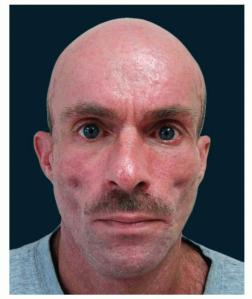 body can be affected although in some patients some areas may be spared.
 - Increased linear growth may be seen in the children.
- Dark velvety pigmentation (acanthosis nigricans) may also occur in the axilla and neck.
- Excess body hair, enlargement of genitalia (clitoromegaly) and occasional ovarian cysts may be seen in the females.
- These patients also have elevated basal metabolic rate and a voracious appetite.
- Levels of serum triglycerides are high. Diabetes occurs usually after the onset of lipodystrophy
- Patients with acquired generalized lipodystrophy may also develop other autoimmune disorders like vitiligo (light-colored spots on skin), sicca syndrome, rheumatoid arthritis, dermatomyositis, thyroiditis and chronic active hepatitis.
- There is a female preponderance with a male to female ratio of 1:3, respectively.
Familial Partial Lipodystrophy
Congenital Generalized Lipodystrophy
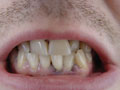 ability to concentrate.Encephalopathy is rare. A “lead line” sometimes appears at the gingiva-tooth border after prolonged high-level exposure.Chronic subclinical lead exposure is associated with interstitial nephritis, tubular damage (with tubular inclusion bodies), hyperuricemia (with an increased risk of gout), and a decline in glomerular filtration rate and chronic renal failure.An additional issue for both children and adults is whether lead that has accumulated in bone and lain dormant for years can pose a threat later in life, particularly at times of increased bone resorption such as pregnancy, lactation, and senile osteoporosis. Elevation of the bone lead level appears to be a risk factor for anemia and hypertension. Hyperthyroidism has been reported to cause lead toxicity in adults by mobilizing stores of bone lead acquired during childhood.
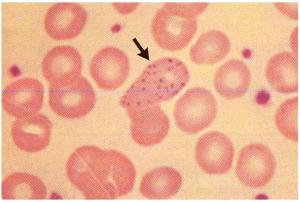 1.9 umol/L (40 ug/dL) is advised.Lead-associated anemia is usually normocytic and normochromicand may be accompanied by basophilic stippling. Lead-induced peripheral demyelination is reflected by prolonged nerve conduction time and subsequent paralysis, usually of the extensor muscles of the hands and feet –wrist and foot drop. An increased density at the metaphyseal plate of growing long bones (“lead lines”) can develop in children and
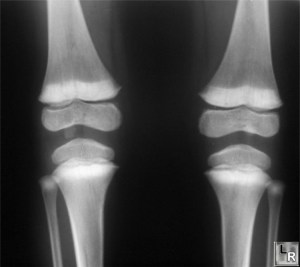 resemble those seen in rickets. Children with high-level lead exposure sometimes develop Fanconi’s syndrome, pyuria, and azotemia.Adults chronically exposed to lead can develop elevated serum creatinine levels, decreased creatinine clearance rates, and chronic changes and intranuclear inclusion bodies (detected at renal biopsy).
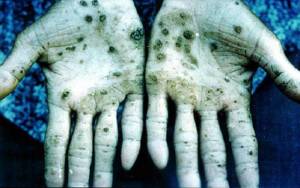 inflammation and necrosis of the intestinal mucosa; these changes manifest as hemorrhagic gastroenteritis, fluid loss, and hypotension. Delayed cardiomyopathy accompanied by electrocardiographic abnormalities may develop. Symptoms include nausea, vomiting, diarrhea, abdominal pain, delirium, coma, and seizures. A garlicky odor may be detectable on the breath. Acute tubular necrosis and hemolysis may develop. The reported lethal dose of arsenic ranges from 120 to 200 mg in adults and is 2 mg/kg in children. Arsine gas causes severe hemolysis within 3 to 4 h of exposure and can lead to acute tubular necrosis and renal failure.In chronic arsenic poisoning, the onset of symptoms comes at 2 to 8 weeks. Typical findings are skin and nail changes, such as hyperkeratosis, hyperpigmentation, exfoliative dermatitis, and Mees’ lines (transverse white striae of the fingernails); sensory and motor polyneuritis manifesting as numbness and tingling in a “stocking-glove” distribution, distal weakness, and quadriplegia; and inflammation of the respiratory mucosa.Epidemiologic evidence has linked chronic
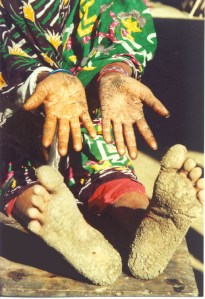
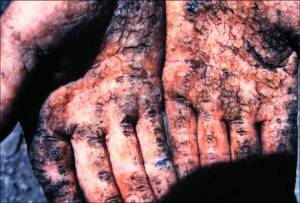 consumption of water containing arsenic at concentrations in the range of 10 to 1820 ppb with vasospasm and peripheral vascular insufficiency culminating in “blackfoot disease – a gangrenous condition affecting the extremities.Chronic arsenic exposure has also been associated with a greatly elevated risk of skin cancer and possibly of cancers of the lung, liver (angiosarcoma), bladder, kidney, and colon.

 Manbir Online ~ for Health & Fitness