Cholesterol Lowering Foods

Cholesterol Lowering Foods

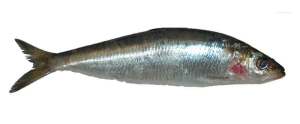
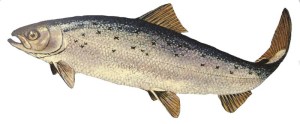
It is claimed that dozens of foods have a cholesterol lowering effect. But there is nothing like a magic food. Most of them need to be eaten in multiple servings to be of any effect. Seafood: Though some studies found that fatty fish, like salmon and sardines, lower total and blood vessel-damaging LDL cholesterol levels (often called the “bad” cholesterol), this has been disputed by others. Still, eating fish a couple times a week is a better choice than a saturated-fat-rich piece of steak.
   

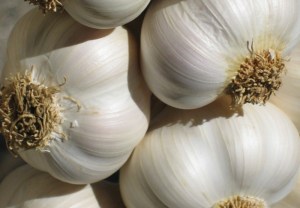
Garlic:  Garlic which had a reputation of being a cholesterol lowering effect has got a lot of bad press when two well-designed studies found that ingesting the equivalent of one to one and a half cloves a day, taken as supplements, didn’t make a dent in total or LDL cholesterol, nor did it affect cholesterol metabolism. While some experts still claim that whole garlic cloves may reduce cholesterol levels, critics like Dr. Tu Nguyen, assistant professor of medicine at the Mayo Medical School, are unequivocal. “Garlic’s been well studied,” Dr. Nguyen says, “and it doesn’t lower cholesterol.”
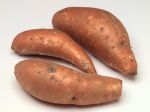
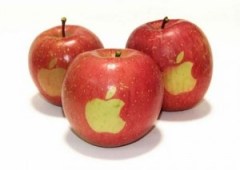
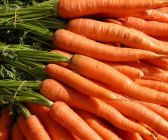
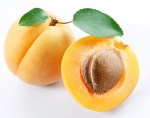
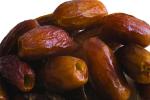
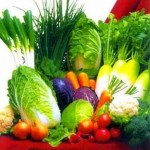
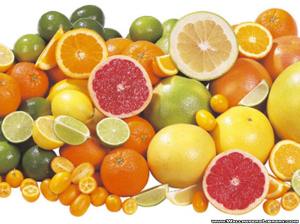
Fruits and Vegetables:  Certain fruits and vegetables are particularly rich in pectin, a soluble fiber that may help lower total and LDL cholesterol. It does its job by trapping cholesterol-containing bile acids in the intestine and ushering them out of the body. The problem is you need to eat a lot — the equivalent of six large apples a day — to get maximum benefit. Nonetheless, Pat Streicher, dietitian manager at the Jewish Hospital Cholesterol Center in Cincinnati, suggests getting three to four servings a day of water-soluble fiber foods, such as citrus fruits (especially the inner white rind), apples, berries, carrots, apricots, dates, figs, prunes, cabbage, Brussels sprouts and sweet potatoes.
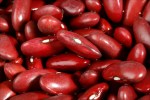
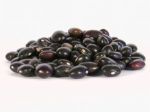
Beans:  Lima, kidney, black beans and other legumes are loaded with soluble fiber that can help curb cholesterol levels. Studies have found that eating 1½ cups of cooked beans a day can cause significant dips in total and LDL cholesterol levels. “Beans figure prominently in lowering cholesterol,” says Cyndi Reeser, lead nutritionist at George Washington University Lipid Research Center. “I highly recommend them several times a week, if not daily.”


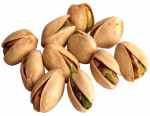
Nuts:  Nuts are loaded with fat and calories. Yet, in several studies, eating 2 to 4 ounces a day significantly reduced total and LDL cholesterol levels. Scientists speculate these benefits may come from poly- and monounsaturated fats, which can lower cholesterol when substituted for saturated fat, and several phytochemicals, like plant sterols, that can inhibit cholesterol absorption. Almond, walnuts and pistachios are said to benefit in lowering cholesterol.

     
Good Cholesterol
Low Fat, Low Cholesterol Food
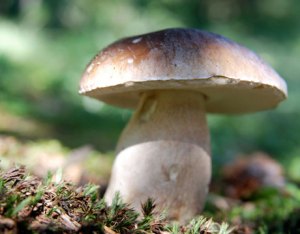
Mushroom – a health tonic

Mushroom – a health tonic

Protein content of mushroom is very close to milk, soyabean and animal food. They contain all essential amino acids. Some of the mushrooms are rich in lysine and tryhptophan. They are rich in vitamins and minerals.
Mushrooms are rich in folic acid, vitamin B12 and iron. One third of iron found in mushrooms is present in available form. Thus they are good for anaemic patients.
They are low in sugar content and thus are good for diabetics.
Being low in carbohydrate and fat and high in protein and vitamins, mushrooms form ideal item for those who want to loose weight.
Mushroom proteins are digested easily and thus are good for children and elderly.
They also contain Vitamin C and D and minerals like calcium, phosphorus, potassium, copper and iron. These are good for bone formation.
Some mushroom extracts have shown cholesterol lowering effects.

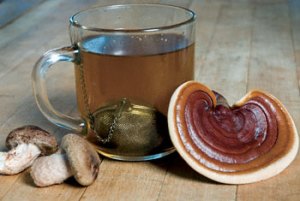
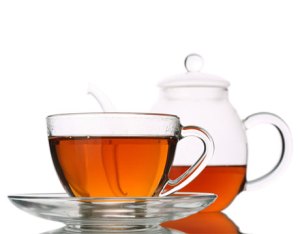
Mushroom or Manchurian tea is considered a very healthy drink. This is made from a type of mushroom which originated in the Russian region of Kargasok, where most of the people lived well over hundred years. It is also claimed that this tea lowers high blood pressure, prevents premature wrinkling of skin.
Mushroom extracts induce interferom formation which plays a crucial role in the defense mechanism against viral infection. Mushroom extract also has high amount of retene that has an antagonistic effect on some tumors.

Mushrooms have been used in traditional herbal medicines in China and Japan for thousands of years, and Asian mushrooms are commonly used for pain relief and in treating diseases like arthritis.

Mushrooms play a vital part in nature’s eco-system.

They break down dead animals and plants into food needed by other animals and living plants.

More than 1,000 species of insects and animals rely on mushrooms for food and shelter.

Tea and its benefits


Tea and its benefits

Tea and its benefits

Tea drinking has been linked with increased immunity. Researchers in Boston found people who drank five to six cups of black tea each day seemed to get a boost in that part of the immune system that acts as a first line of defense against infection.
Researchers found that blood samples taken after people drank tea were able to react against the bacteria fivefold better by making a very important protein called interferon gamma. That should mean you’re going to be more able to fight off diseases because that’s a very important bacteria-fighting and virus- and tumor-fighting molecule.
Another study found that mice who had been genetically engineered to develop prostate cancer, and who drank the equivalent of about six cups of tea a day, did not end up developing tumors.
China has the lowest prostate cancer rate in the world and Japan is also very low, and they drink much more tea.
Another study found that a green tea extract reduced body fat in mice, possibly by inhibiting the absorption of fats and starches,
Drinking green tea may mitigate DNA damage from smoking that could lead to mouth cancer
Researchers are working on developing a cream made up of tea polyphenols which would ward off skin cancer.
Researchers in Boston found that drinking tea improved the function of blood vessels and platelets, and may therefore reduce the risk of heart attack and stroke.
Green Tea

Tea: Few Facts

Vitamin K

Vitamin K

Vitamin K is necessary mainly for the coagulation of blood. It aids in forming prothrombin, an enzyme needed to produce fibrin for blood clotting.

The richest sources of vitamin K are alfalfa – a plant, Medicago sativa of the legume family, having bluish purple flowers, and fish livers, which are used in making concentrated preparations of this vitamin.

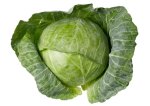
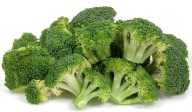
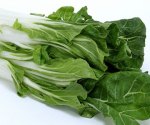
Dietary sources include all leafy green vegetables, egg yolks, soybean oil, green tea, broccoli, kale, spinach, cabbage, asparagus, dark green lettuce and liver. For a healthy adult, a normal diet and bacterial synthesis in the bowels usually are sufficient to supply the body with vitamin K and prothrombin.


Chlorophyll is the substance in plants that gives them their green color and provides vitamin K.

Digestive disturbances and excessive intake of vitamin E may lead to defective absorption of vitamin K and hence to mild disorders in blood clotting. 

Vitamin K is a fat-soluble vitamin, so it is stored in the body’s fat tissue and liver. It is rare to have a vitamin K deficiency.

Sometimes taking antibiotics can kill the bacteria and lead to a mild deficiency. Vitamin K deficiency can lead to excessive bleeding, which may begin as oozing from the gums or nose.

Conditions when vitamin K deficiency may deveop:

  • Health problems that can prevent the absorption of vitamin K (such as gallbladder or biliary disease, which may alter the absorption of fat), cystic fibrosis, celiac disease, and Crohn’s disease
  • Liver disease
  • Use of blood-thinning medications (such as warfarin)
  • Continuing hemodialysis
  • Serious burns

All newborns receive vitamin K injections to prevent the possibility of hemorrhage (particularly in the brain) just after delivery. Babies are born without any bacteria in their intestines and do not get enough vitamin K from breast milk to tide them over until their bodies are able to make it.

Newborns at greatest risk for vitamin K deficiency are those who are born prematurely or whose mother had to take seizure medications during pregnancy. Mothers on seizure medications are often given oral vitamin K for 2 weeks prior to delivery.

Vitamin K is needed for proper use of calcium in bones. Higher vitamin K levels correspond to greater bone density, while low levels of vitamin K have been found in those with osteoporosis. There is increasing evidence that vitamin K improves bone health and reduces risk of bone fractures, particularly in postmenopausal women who are at risk for osteoporosis.

Vitamin C

Vitamin C

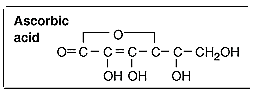
In most animals, ascorbic acid ( vitamin C ) can be synthesized from glucose. However, humans, and the guinea pig are unable to synthesize it. The enzyme that catalyzes this reaction (L-gluconolactone oxidase) is defective in humans. Thus the need for vitamin C in the diet is the result of an inborn error in carbohydrate metabolism.

Structure of Vitamin C

The vitamin is present in milk and some meats (kidney, liver, fish) and is widely distributed in fruits and vegetables. A portion is lost after prolonged storage of unprocessed fruits and vegetables (e.g., potatoes), but it is partially preserved ( half or greater) by most means of food processing (boiling, steaming, pressure cooking, preserving jams and jellies, freezing, dehydration, and canning).
As a consequence, the recommended daily allowances can be met with even a modest intake of fruits and vegetables.

Utilization of the vitamin is increased during pregnancy and lactation and in thyrotoxicosis, and absorption is decreased in diarrheal states and in achlorhydria.

Recommended Dietary Allowances of Vitamin C

Age – years


Vitamin C

Infants

30-35 mg

Children 1-3

40 mg

Children 4-10

45 mg

Males 11-14

50 mg

Males 15+

60 mg

Females 11-14

50 mg

Females 15+

60 mg

Pregnancy

70 mg

Lactation

95 mg


Vitamin C Deficiency

The total-body pool of vitamin C varies from 1.5 to 3 g. Deficiency of Vitamin C causes Scurvy.
Scurvy now occurs in areas of urban poverty. An increased incidence occurs at 6 to 12 months of age in infants whose processed milk formulas are unsupplemented with citrus fruit or vegetables as a result of maternal error or neglect. This is uncommon in developed countries.
Another peak occurs in middle and old ageEdentulous men ( men without teeth ) and those who live alone and cook for themselves are particularly prone. The affected individuals usually have deficiencies of other dietary constituents as well.

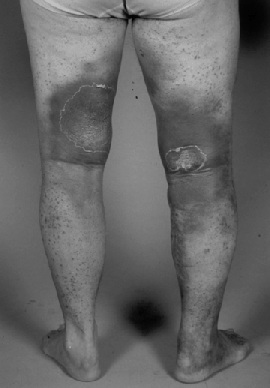
In adults, hairs become fragmented, purpura (bleeding) into the skin, beginning on the backs of the lower limbs coalescing to become ecchymoses ; hemorrhage into the muscles of the arms and legs. Haemorrhages into joints; splinter haemorrhages in the nail beds; gum involvement (only in people with teeth) that includes swelling, friability, bleeding, secondary infection, and loosening of the teeth; poor wound healing and breakdown of recently healed wounds; petechial hemorrhages in the viscera; and emotional changes. In the later stage – icterus, oedema, and fever are common, and convulsions, hypotension, and death may occur abruptly. Anaemia is common and is due to bleeding into tissues.

In infancy and childhood, haemorrhages in to the bones causes painful swellings. Sternum of chest may sink inwards

Treatment : The usual dose in adults is 100 mg three to five times a day by mouth until 4 g has been given. Then 100 mg/d.
In infants and children, administration of 10 to 25 mg three times a day is adequate. A diet rich in vitamin C should be initiated simultaneously. Spontaneous bleeding usually ceases within 24 hrs, muscle and bone pains subside quickly, and the gums begin to heal within 2 to 3 days.

Vitamin C content of various food items

Vitamin C content of various food items   mg /100 gm edible portion
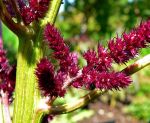
Amaranth   99
Asparagus   33
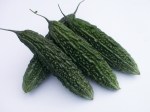
Bitter Gaurd   88
Cabbage   124
Drumstick-Pods   120
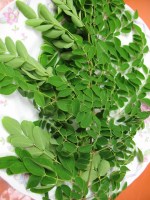
Drumstick leaves   220
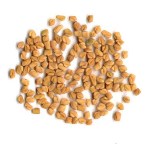
Fenugreek   52
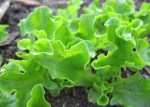
Lettuce   10
Mint   27
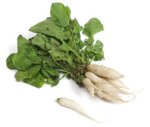
Raddish leaves   81
Spinach   28
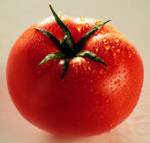
Tomato   27
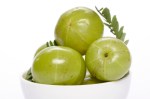
Amla (Indian Goosberry)   600
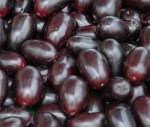
Jamun (Rose apple, Java plum)   18
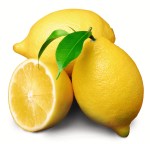
Lemon      63