Glucosamine

Glucosamine

Glucosamine is a substance that is needed for the making of the cartilage in our body. It is manufactured in our body from glucose and an amine. Its main role in the body is in the joints where it stimulates manufacture of glycosaminoglycan which is a main structural component of cartilage.

It is understood that as some people age they lose the ability to manufacture sufficient amount of glucosamine. The result is that synthesis of glycosaminoglycan does not keep up with the degradation process in the cartilages of the joints. The inability to manufacture glucosamine in adequate rate has been suggested to be the major factor leading to osteoarthritis.

Sources of Glucosamine: There are no food sources of glucosamine and the commercially available glucosamine is derived from chitin – the exoskeleton of shrimp, lobsters and crabs.

It is thought that a deficiency of glucosamine is a major factor in the development of osteoarthritis. The weight bearing joints like knees and hips and the joints of hands are the ones most affected by the osteoarthritis. In the affected joints there is substantial cartilage destruction followed by hardening and formation of large bone spurs in the joint margins.

All this results to pain, deformity and limitation of joint motion. The onset of osteoarthritis is very subtle. Morning joint stiffness is often the first symptom. As the disease progresses, there is pain on motion of the involved joint that is made worse by prolonged activity and relieved by rest.

Glucosamine is available commercially in three forms – glucosamine sulphate, glucosamine hydrochloride and N-acetyle-glucosamine. The sulphate form has been subjected to more than 300 scientific investigations. Glucosamine sulphate has also been used by millions of people worldwide and is registered as an aid in osteoarthritis in over 70 countries.

In various studies it has been shown that glucosamine sulphate produces much better results compared with other anti inflammatory medicines in the treatment of Osteoarthritis.

Side effects: Glucosamine has shown to have very few side effects. These include gastro intestinal symptoms like stomach upset, heartburn, diarrhoea, nausea and indigestion. If the symptoms occur it should be take with meals.

Glucosamine in combination with MSM (Methyl Sulphonyl Methane) is shown to have beneficial effect in the treatment of osteoarthritis.
MSM

Lead Toxicity

LEAD Toxicity

 Lead has been mined and used in industry and in household products for centuries. The dangers of lead toxicity, the clinical manifestations of which are known as plumbism, have been known since ancient times. The twentieth century has seen both the greatest-ever exposure of the general population to lead and an extraordinary amount of new research on lead toxicity.

Populations are exposed to lead chiefly via paints, cans, plumbing fixtures, and leaded gasoline. The intensity of these exposures, while recently decreased by regulatory actions, remains high in some segments of the population because of the deterioration of lead paint used in the past and the entrainment of lead from paint and vehicle exhaust into soil and house dust.
Many other environmental sources of exposure exist, such as leafy vegetables grown in lead-contaminated soil, improperly glazed ceramics, lead crystal, and certain herbal folk remedies.
Many industries, such as battery manufacturing, demolition, painting and paint removal, and ceramics, continue to pose a significant risk of lead exposure to workers and surrounding communities.

Tests for levels of lead in blood have facilitated both research on lead and surveillance of individuals at risk. Measurement of the blood lead levels of children 6 months to 5 years of age is currently mandated by some states in U.S., and the U.S. Occupational Safety and Health Administration (OSHA) requires the testing of workers who may be exposed to lead in the course of their jobs.

METABOLISM

Elemental lead and inorganic lead compounds are absorbed through ingestion or inhalation. Organic lead (e.g., tetraethyl lead, the lead additive to gasoline) is absorbed to a significant degree through the skin as well.Pulmonary absorption is efficient, particularly if particle diameters are <1 um (as in fumes from burning lead paint).Children absorb up to 50 percent of the amount of lead ingested, whereas adults absorb only about 10 to 20 percent.Gastrointestinal absorption of lead is enhanced by fasting and by dietary deficiencies in calcium, iron, and zinc.Lead is absorbed into blood plasma, where it equilibrates rapidly with extracellular fluid, crosses membranes (such as the blood-brain barrier and the placenta), and accumulates in soft and hard tissues. In the blood, around 95 to 99 percent of lead is sequestered in red cells, where it is bound to hemoglobin and other components. As a consequence, lead is usually measured in whole blood rather than in serum.The largest proportion of absorbed lead is incorporated into the skeleton, which contains more than 90 percent of the body’s total lead burden.Lead is excreted mainly in the urine (in a process that depends on glomerular filtration and tubular secretion) and in the feces.

Lead also appears in hair, nails, sweat, saliva, and breast milk.

The half-life of lead in blood is approximately 25 days; in soft tissue, about 40 days; and in the nonlabile portion of bone, more than 25 years. Thus, blood lead levels may decline significantly while the body’s total burden of lead remains heavy.

The toxicity of lead is probably related to its affinity for cell membranes and mitochondria, as a result of which it interferes with mitochondrial oxidative phosphorylation and sodium, potassium, and calcium ATPases. Lead impairs the activity of calcium-dependent intracellular messengers and of brain protein kinase C. In addition, lead stimulates the formation of inclusion bodies that may translocate the metal into cell nuclei and alter gene expression.

CLINICAL FEATURES

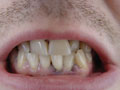
Symptomatic lead poisoning in childhood generally develops at blood lead levels exceeding 3.9 umol/L (80 ug/dL) and is characterized by: Abdominal pain and irritability followed by lethargy, anorexia, pallor (resulting from anemia), ataxia, and slurred speech. Convulsions, coma, and death due to generalized cerebral edema and renal failure occur in the most severe cases. Subclinical lead poisoning [blood lead level >1.4 umol/L (> 30 u g/dL)] can cause mental retardation and selective deficits in language, cognitive function, balance, behavior, and school performance despite the lack of discernible symptoms. In adults, symptomatic lead poisoning usually develops when blood lead levels exceed 3.9 umol/L (80 ug/dL) for a period of weeks and is characterized by: Abdominal pain, headache, irritability, joint pain, fatigue, anemia, peripheral motor neuropathy, and deficits in short-term memory and the ability to concentrate.Encephalopathy is rare. A “lead line” sometimes appears at the gingiva-tooth border after prolonged high-level exposure.Chronic subclinical lead exposure is associated with interstitial nephritis, tubular damage (with tubular inclusion bodies), hyperuricemia (with an increased risk of gout), and a decline in glomerular filtration rate and chronic renal failure.An additional issue for both children and adults is whether lead that has accumulated in bone and lain dormant for years can pose a threat later in life, particularly at times of increased bone resorption such as pregnancy, lactation, and senile osteoporosis. Elevation of the bone lead level appears to be a risk factor for anemia and hypertension. Hyperthyroidism has been reported to cause lead toxicity in adults by mobilizing stores of bone lead acquired during childhood.
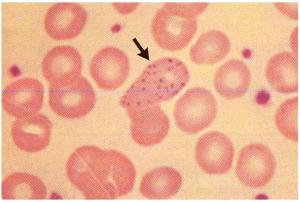
LABORATORY FINDINGS

Regular measurement of blood lead in lead-exposed workers and the maintenance of blood lead levels below 1.9 umol/L (40 ug/dL) is advised.Lead-associated anemia is usually normocytic and normochromicand may be accompanied by basophilic stippling. Lead-induced peripheral demyelination is reflected by prolonged nerve conduction time and subsequent paralysis, usually of the extensor muscles of the hands and feet –wrist and foot drop. An increased density at the metaphyseal plate of growing long bones (“lead lines”) can develop in children andresemble those seen in rickets. Children with high-level lead exposure sometimes develop Fanconi’s syndrome, pyuria, and azotemia.Adults chronically exposed to lead can develop elevated serum creatinine levels, decreased creatinine clearance rates, and chronic changes and intranuclear inclusion bodies (detected at renal biopsy). 
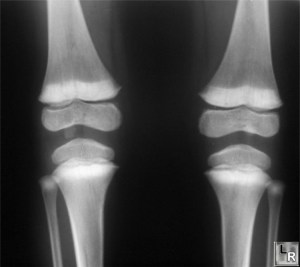

TREATMENT

Treatment for lead toxicity involves the use of chelating agents, principally edetate calcium disodium (CaEDTA), dimercaprol, penicillamine, and succimer, which is given orally.

Arsenic Toxicity

ARSENIC Toxicity

 Arsenic is released into the air by volcanoes and is a natural contaminant of some deep-water wells.

Occupational exposure to arsenic is common:

  • In the smelting industry in which arsenic is a byproduct of ores containing lead, gold, zinc, cobalt, and nickel
  • In the microelectronics industry, in which gallium arsenide is responsible.
  • Commercial use of inorganic arsenic compounds in common products such as wood preservatives, pesticides, herbicides, fungicides, and paints.
  • Through the consumption of foods and the smoking of tobacco treated with arsenic-containing pesticides
  • Through the burning of fossil fuels in which arsenic is a contaminant.
  • Arsenic was also a major ingredient of Fowler’s solution and continues to be found in some folk remedies.
Fowler’s solution is a solution containing potassium arsenite that once was prescribed as a remedy or a tonic. A Dr. Fowler of Stafford, England proposed its use in 1786 as a substitute for a patented medicine, It was prescribed in the United States until the late 1950s for a range of ailments including malaria, chorea, and syphilis. In 2001 the U.S. FDA approved a proprietary formula of a solution of arsenic trioxide for acute promyelocytic leukaemia.Fowler’s solution, is a 1% solution of potassium arsenite, KH2AsO3.Because of the poisonous and carcinogenic nature of arsenic compounds, Fowler’s solution is dangerous. Documented side effects of treatment with Fowler’s solution include: cirrhosis of the liver, idiopathic portal hypertension, urinary bladder cancer, skin cancers.
 Metabolism

The toxicity of an arsenic-containing compound depends on its valence state (zero-valent, trivalent, or pentavalent), its form (inorganic or organic), and the physical aspects governing its absorption and elimination. In general, inorganic arsenic is more toxic than organic arsenic, and trivalent arsenite is more toxic than pentavalent and zero-valent arsenic.
The normal intake of arsenic by adults occurs primarily through ingestion and averages around 50 ug/d (range, 8 to 104 ug/d). Most (around 64 percent) of this amount is accounted for by organic arsenic from fish, seafood, and algae; the specific arsenic compounds obtained from these sources are arsenobentaine and arsenocholine, which are relatively nontoxic and are rapidly excreted in unchanged form in the urine. After absorption, inorganic arsenic accumulates in the liver, spleen, kidneys, lungs, and gastrointestinal tract. It is then rapidly cleared from these sites but leaves a residue in keratin-rich tissues such as skin, hair, and nails. Arsenite (+5) undergoes biomethylation in the liver to the less toxic metabolites methylarsenic acid and dimethylarsenic acid; biomethylation can quickly become saturated, however, and the result is the deposition of increasing doses of inorganic arsenic in soft tissues. Arsenic, particularly in its trivalent form, inhibits critical sulfhydryl-containing enzymes. In the pentavalent form, the competitive substitution of arsenic for phosphate can lead to rapid hydrolysis of the high-energy bonds in compounds such as ATP.
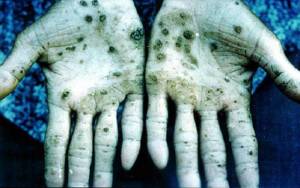
 CLINICAL FEATURESAcute arsenic poisoning from ingestion results in increased permeability of small blood vessels and inflammation and necrosis of the intestinal mucosa; these changes manifest as hemorrhagic gastroenteritis, fluid loss, and hypotension. Delayed cardiomyopathy accompanied by electrocardiographic abnormalities may develop. Symptoms include nausea, vomiting, diarrhea, abdominal pain, delirium, coma, and seizures. A garlicky odor may be detectable on the breath. Acute tubular necrosis and hemolysis may develop. The reported lethal dose of arsenic ranges from 120 to 200 mg in adults and is 2 mg/kg in children. Arsine gas causes severe hemolysis within 3 to 4 h of exposure and can lead to acute tubular necrosis and renal failure.In chronic arsenic poisoning, the onset of symptoms comes at 2 to 8 weeks. Typical findings are skin and nail changes, such as hyperkeratosis, hyperpigmentation, exfoliative dermatitis, and Mees’ lines (transverse white striae of the fingernails); sensory and motor polyneuritis manifesting as numbness and tingling in a “stocking-glove” distribution, distal weakness, and quadriplegia; and inflammation of the respiratory mucosa.Epidemiologic evidence has linked chronic consumption of water containing arsenic at concentrations in the range of 10 to 1820 ppb with vasospasm and peripheral vascular insufficiency culminating in “blackfoot disease – a gangrenous condition affecting the extremities.Chronic arsenic exposure has also been associated with a greatly elevated risk of skin cancer and possibly of cancers of the lung, liver (angiosarcoma), bladder, kidney, and colon.
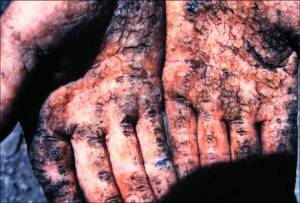

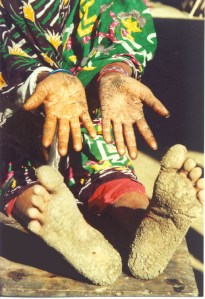
 LABORATORY FINDINGSWhen acute arsenic poisoning is suspected, an x-ray of the abdomen may reveal ingested arsenic, which is radiopaque. The serum arsenic level may exceed 0.9 umol/L (7 ug/dL); however, arsenic is rapidly cleared from the blood.Electrocardiographic findings may include QRS complex broadening, QT prolongation, ST-segment depression, T-wave flattening, and multifocal ventricular tachycardia. Urinary arsenic should be measured in 24-h specimens collected after 48 h of abstinence from seafood ingestion; normally, levels of total urinary arsenic excretion are less than 0.67 umol/d (50 ug/d).Arsenic may be detected in the hair and nails for months after exposure.Abnormal liver function, anemia, leukocytosis or leukopenia, proteinuria, and hematuria may be detected.Electromyography may reveal features similar to those of Guillain-Barre syndrome.
 TREATMENT

Vomiting should be induced in the alert patient with acute arsenic ingestion.
Gastric lavage may be useful; activated charcoal with a cathartic (such as sorbitol) may be tried.
 Aggressive therapy with intravenous fluid and electrolyte replacement in an intensive-care setting may be life-saving.
Dimercaprol is the chelating agent of choice and is administered intramuscularly at an initial dose of 3 to 5 mg/kg on the following schedule: every 4 hr for 2 days, every 6 hr on the third day, and every 12 hr thereafter for 10 days. (An oral chelating agent may be substituted.)Succimer is sometimes an effective alternative, particularly if adverse reactions to dimercaprol develop (such as nausea, vomiting, headache, increased blood pressure, and convulsions). In cases of renal failure, doses should be adjusted carefully, and hemodialysis may be needed to remove the chelating agent-arsenic complex. Arsine gas poisoning should be treated supportively with the goals of maintaining renal function and circulating red-cell mass.


Amla

Amla

Amla, Phyllanthus emblica; family – Euphorbiaceae, is a household name in India.

It is known to impart good health. It is highly reputed for its rejuvenative properties. Amla is consumed as a coolant in summers in the form of ‘murabbas’ or refreshing drinks and during winters as pickles.
Amla imparts youthful vigour, strength, promotes health and longevity.

This fruit is highly prized both for its high vitamin C content and for the precious oil which is extracted from its seeds and pulp and used as a treatment for hair and scalp problems. It is the world’s richest source of vitamin C. Amla fruit is also known as “Indian Gooseberry“.

Amla oil is prepared from dried amla berries which have been soaked in coconut oil for several days in order to extract the oil soluble vitamins from the fruit. The filtered and purified oil is commonly called “amla oil”. This oil has a long history of use as an aid for improving the health of hair and scalp. In fact, it is one of the world’s oldest, natural hair conditioners.

Amla forms the major ingredient of popular indian remedies like ‘Chyavanprash’ and ‘Trifla’.

Active Principles – Tannins such as emblicanin A and B, punigluconin, quercetin (flavonoid) and Vitamin C.

Antioxidant Activity – In the present day scenario of high pollution and stress. Amla can be helpful by countering the free radical induced changes.

Cytoprotective Activity

Hepatoprotective Activity – Protection of liver against liver toxicants like country made liquor and paracetamol was observed with 50 % ethanolic extract of Amla.

Hypolipaedemic Activity – Lipid lowering effect of Amla has been shown in rabbits.

Clinical studies conducted on patients with allergic and respiratory infections showed that Chyavanparash ( which contains high content of Amla ) caused decrease in the IgE levels. This was shown more pronounced in the allergic groups. Hence, Chyavanprash helps in controlling allergic respiratory problems.

Effects of Amla on Smokers showed that it helped in improving the quality of life and general well being.

Vitamin C

Natural sources of Antioxidant Vitamins and Minerals 

Almonds

Almonds

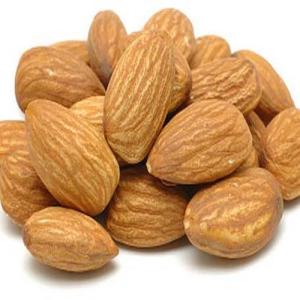
Almonds contain unsaturated fatty acids, proteins, fibre, zinc, phosphorus, magnesium and phytochemicals. It is also a good source of vitamin E. Almond oil is used extensively by the cosmetic industry.

 Vitamin E acts like antioxidant and thus reduces coronary risk.
 They have cholesterol lowering effect.
 Its proteins are highly digestible.
 Being rich in vitamin E it nourishes skin and hair.
 Regular intake of almonds act as a tonic for brain, ear, hair and skin.
 Its also good for diabetics because of its low carbohydrate and high protein content.

Proteins & Fats content of Nuts

Proteins

Fats

Almonds

20.60 %

53.90 %

Cashew nut

21.30 %

46.90 %

Walnut

15.60 %

64.50 %

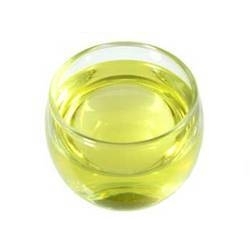
Almond oil is used for skin massage. It can be used for falling hair. To improve complexion equal amount of honey and almond oil can be applied on the face.