What is good in Tomatoes ?
|
- Tomatoes are rich in calcium, potassium and phosphorus. Potassium content of tomatoes is very high.
- They are rich in beta carotene which is very useful for the eyes.
- They are also good source of vitamin C.
- Tomatoes have more than 200 volatile compounds.
- Tomatoes are low calorie fruit which provides adequate nutrients.
|
Redness of the tomatoes is due to a pigment lycopene and the phytochemicals carotenoids. Lycopene is an antioxidant that has ability to fight cancer. During the ripening stage the chlorophyll of the green tomatoes is converted to limonene and thus the tomatoes are turned red.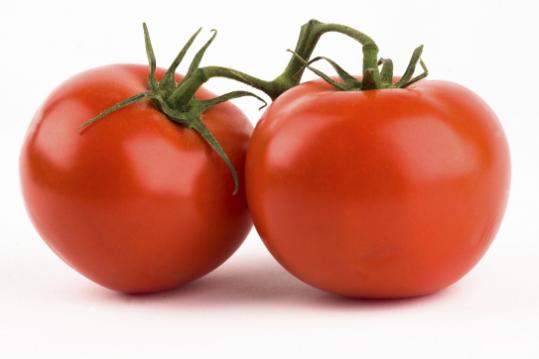 |
Many studies have suggested that people who eat a large amount of tomatoes have a reduced risk for a number of types of cancers. Tomatoes in many forms, including raw, ketchup, spaghetti sauce, tomato paste, soup and salsa have same benefit. Benefits were found from all those forms. Even cooking and processing tomatoes did not diminish the effect.
Tomatoes are rich in several phytochemicals believed to have anticancer properties. The most prominent of these phytochemicals is a compound that leads to the formation of carotenoids, chemicals that can protect cells from the effects of oxidants. Tomatoes are a particularly rich source of several carotenoids, including Lycopene.
More than 67 million tons of tomatoes are grown worldwide each year.
Tomatoes, the darling of the backyard gardener, the star of salads and spaghetti sauces, and now a possible weapon against cancer, were once considered poisonous fruit to be avoided. The tomato, a relative of the deadly nightshade family of plants, was held in high suspicion after it was brought to Europe from Mexico in the 1500s. It was grown in Spain and became a mainstay of Italian food, but was not widely accepted until the 1800s. Now, more than 67 million tons of the smooth-skinned, succulent fruit are grown worldwide each year. About 9 million tons are grown commercially in the United States — and that doesn’t count the millions of backyard gardeners who favor the tomato because it grows in a variety of soils and requires little skill. There are more than 4,000 varieties of the tomato, ranging from the small, marble-size cherry tomato to the giant Ponderosa that can weigh more than 3 pounds. Most commercial tomatoes are processed into foods, including sauces, pastes, purees, ketchups, soups and salsas.
|
|

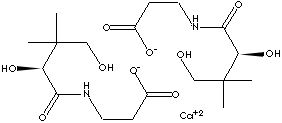 Vitamin B5 is lost in cooking water and is destroyed by heat or freezing. Acids and alkalis such as vinegar and baking soda also destroy this vitamin.Vitamin B5 is necessary has a role in various fuctions in our body:













 Manbir Online ~ for Health & Fitness