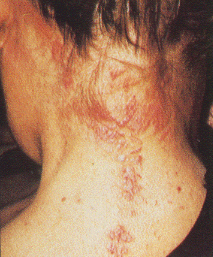
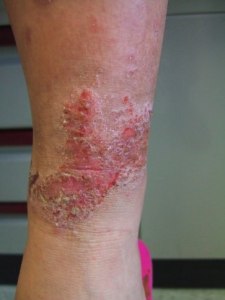
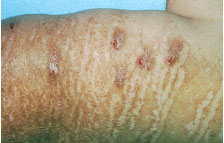
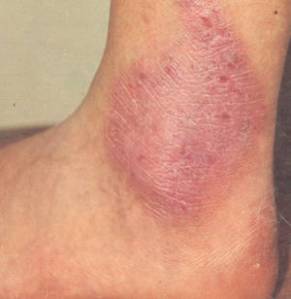
Neurodermatitis

Neurodermatitis or Lichen Simplex chronicus or Scratch dermatitis
It is a skin disorder in which skin becomes irritated causing itching. The itching becomes chronic with uncontrollable scratching.
   
The cycle of itching and scratching causes the skin to thicken and become scaly. It is seen more in females and affects people between 20 and 50 years of age. The itching and scratching of neurodermatitis can lead to skin damage and secondary bacterial infections.Symptoms are: Itchy skin with Redness, warmth or swelling and Thick and scaly appearance.
   
Treating neurodermatitis is to break this cycle of itching and scratching. Once you have stopped scratching the affected area, the skin returns to a normal appearance.
 Skin Diseases

Calcium & Vitamin D ~ An Essential Element for Bone Health

Calcium & Vitamin D ~ An Essential Element for Bone Health
Importance of Calcium There is strong and convincing evidence that calcium is important for building strong bones in childhood, maintaining bone density in adults, and reducing the likelihood of fractures as we age.

Calcium is crucial for life. Every cell in the body needs calcium to function properly. Heart, Nerve and Muscles all need calcium for their activity. Bones need calcium to maintain strength. 99 % of body calcium is in the bones.

Our Body gets calcium from food we eat. If dietary source is deficient in calcium, our body gets it from our bones.

Calcium is essential for bony health for number of reasons. In childhood it is needed for proper formation of bony skeleton to support growing body. By the age 20 bones stop growing in length and by this time peak bony mass is reached. The density of your bones at this point will depend, in part, upon the extent of your calcium intake as a child. The greater this peak bone mass, the less likely your bones are to become porous and fragile later on.

Bone is living tissue, constantly renewing itself. Daily wear and tear causes structural defects which need to be taken care of. This process in the bones is termed as Bone remodelling. Remodelling is an ongoing, natural process and the cycle is completed every three to four months in a healthy young adult. With age this maintenance system becomes less efficient. In people who have relatively healthy bones, adequate calcium intake can help the remodelling process stay balanced. This means that replacement of new bone will remain more efficient, thus preventing a rapid decline in density.
Calcium and Menopause
Calcium is especially important at menopause because calcium absorption seems to slow down with the decrease in estrogen.
How Much Calcium Do You Need?
Following nutritional intake of calcium every day is essential, to maintain strong bones.

Recommended Daily Calcium Intake

 Infants
birth-6 months – 400 mg / day
6-12 months – 600 mg / day
   Children
1-5 years – 800 mg / day
6-11 years – 800-1200 mg / day
Adolescents & Young adults
11-24 years – 1200-1500 mg / day
Women
25-50 years – 1000 mg / day
Pregnant or lactating women – 1200-1500 mg / day
Postmenopausal women on estrogen – 1000 mg / day
Postmenopaural women not on estrogen – 1500 mg / day
Men (25-50 years) – 1000 mg / day
All women and men above 65 – 1500 mg / day
Is There Such a Thing as Too Much Calcium?No adverse effects have been observed in people who consume well above the recommended daily intake of calcium (up to 2500 mg per day). A high dietary intake of calcium used to be suspected of increasing the risk of kidney stones, but most experts now believe that this is incorrect.

Osteoporosis

Calcium Intake ~ Daily Recommendation

Recommended Daily Calcium Intake

 Infants
birth-6 months – 400 mg / day
6-12 months – 600 mg / day
   Children
1-5 years – 800 mg / day
6-11 years – 800-1200 mg / day
Adolescents & Young adults
11-24 years – 1200-1500 mg / day
Women
25-50 years – 1000 mg / day
Pregnant or lactating women – 1200-1500 mg / day
Postmenopausal women on estrogen – 1000 mg / day
Postmenopaural women not on estrogen – 1500 mg / day
Men (25-50 years) – 1000 mg / day
All women and men above 65 – 1500 mg / day

Osteoporosis

Calcium in Food

Calcium in Food
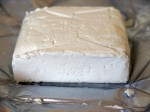
When considering food items rich in Calcium content it is important to select foods that contain easily absorbable calcium. The more easily calcium is absorbed; the more available it is to be used by the body. It is well accepted that dairy products such as milk, cheese and yogurt are the best sources of calcium because they contain high amounts of calcium, and the calcium is well absorbed by the body.  
Skim milk products provide as much calcium as whole milk with the added advantages of less fat and cholesterol.  
Dairy products such as milk,cheese and yogurt are the best sources of calcium because they contain high amounts of calcium, and the calcium is well absorbed by the body.  
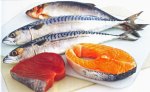
Bones in fish especially those of salmon and sardines, too contain useful calcium.  
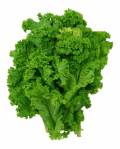
Vegetables such as broccoli, collards, kale, mustard greens, turnip greens, and bok choy, also contain calcium that is easily absorbed. These vegetables, however, contain smaller quantities of calcium per serving than dairy foods.  
It is possible for foods to contain calcium and for that calcium to have limited availability to the body. The reason is that these foods contain calcium-binding substances called oxalates (found in many green vegetables) or phytates (found in unleavened grain products). Of these two substances, oxalates are considered more potent in their ability to restrict calcium absorption  
While spinach contains calcium, it also contains oxalates, as do beet greens, chard, and rhubarb, that bind with calcium and interfere with its absorption. Even though the substances contained in these foods inhibit calcium absorption, experts agree that the benefits you derive from the other important nutrients contained in this group of foods far outweigh the negative effects of their tendency to block calcium absorption.Calcium loss through the urine is increased by excess consumption of salt, caffeine and protein.  
Vitamin D for Calcium Absorption

Vitamin D is crucial to calcium absorption. In fact, it increases calcium absorption by as much as 30% to 80%. Adults should get 400 IUs of vitamin D per day (older adults should receive between 400 and 800).The easiest and most natural way to get Vitamin D is from exposure to sunlight, which causes the body to manufacture its own. Just 15 minutes a day of summer sun exposure, even if only on the arms, face and hands will greatly enhance Vitamin D production.Although there are few food sources of Vitamin D, milk does contain significant amounts. (Fortified with Vitamin D, it contains 100 IUs per 250 ml glass). Foods such as margarine, eggs, chicken livers, salmon, sardines, herring, mackerel,swordfish, and fish oils (halibut and cod liver oils) all contain small amounts.Minerals and Bone Health

Minerals like manganese, copper, and magnesium are important for bone health as they play a part in bone remodelling.

Osteoporosis

Calcium Content of Some Common Food Items

Calcium Content of Some Common Foods Portion Calcium
Milk and milk products
Cheese – Swiss, Gruyère 1.75 oz./50 g 493 mg
Cheese – Brick, Cheddar, Colby, Edam, Gouda 1.75 oz./50 g 353 mg
Milk – whole, 2%, 1%, skim 1 glass/250 ml 315 mg
Buttermilk 1 glass/250 ml 301 mg
Cheese – Mozzarella 1.75 oz./50 g 269 mg
Yogurt – plain 1 cup/175 ml 292 mg
Milk – powder, dry 3 tbs./45 ml 159 mg
Ice cream 1/2 cup/125 ml 93 mg
Cheese – cottage, creamed, 2%, 1% 1/2 cup/125 ml 87 mg
Meat, fish, poultry and alternatives
Sardines, with bones 8 small 153 mg
Salmon, with bones – canned 1/2 – 213g can 242 mg
Almonds 1/2 cup/125ml 200 mg
Sesame seeds 1/2 cup/125ml 100 mg
Beans – cooked (kidney, navy, pinto, garbanzo) 1 cup/250 ml 90 mg
Soybeans – cooked 1 cup/250 ml 175 mg
Chicken – roasted 3 oz./90 g 13mg
Beef – roasted 3 oz./90 g 7 mg
Tofu – with calcium sulfate 1/2 cup/125ml 130 mg
Breads and cereals
Muffin – bran 1/35 g 50 mg
Bread – white and whole wheat 1 slice/30 g 25 mg
Fruits and vegetables
Broccoli – raw 1/2 cup/125ml 38 mg
Orange 1medium/180g 52 mg
Banana 1medium/175g 10 mg
Lettuce 2 large leaves 8 mg
Figs – dried 10 270 mg
Combination dishes
Lasagna – homemade 1 cup/250 ml 286 mg
Soup made with milk, such as cream of chicken, mushroom, tomato or broccoli 1 cup/250 ml 189 mg
Baked beans — canned 1 cup/250 ml 163 mg

Osteoporosis