Human and animal studies have shown soy products to be excellent sources of protein. Many studies have shown soy protein products effectively improve the nutritional value of the food, especially when combined with proteins of cereal origin.
There is ample evidence that soy protein products have a positive influence on health. Recent studies have considered the total diet as a basis for explaining, at least in part, the differences in mortality rates from coronary artery disease, stroke, and several types of cancer in various countries.
A number of studies suggest that animal protein, usually casein, is more cholesterolemic and atherogenic than vegetable protein, especially soy protein. The difference persists even in the face of high saturated fat consumption.
Soy protein products can be an excellent source of dietary fiber. Since dietary fiber seems to play a role in controlling blood cholesterol, and may have an effect in preventing colon cancer and improving glucose tolerance.
Protein nutritional quality is generally determined by three factors: essential amino acid composition, digestibility, and amino acid requirements of the species consuming the protein.
Amino Acid Composition
The requirement of man is not for protein per se, but for specific amounts of indispensable, or “essential,” amino acids (building blocks of protein).
Soy proteins provide all the essential amino acids needed to fulfill human nutritional requirements for growth, maintenance, or physical stress. This amino acid pattern is among the most complete of all vegetable protein sources and resembles, with the exception of the sulfur-containing amino acids (e.g., methionine), the pattern derived from high-quality animal protein sources.
The absence of an ideal balance of essential amino acids for a particular foodstuff need not be a serious limitation since a human diet usually contains a variety of protein sources,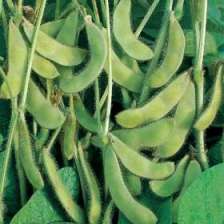 such as cereals, legumes and animal proteins – each with its own characteristic amino acid pattern. By blending these proteins in a daily diet, a suitable balance of the essential amino acids can be obtained.
Soy proteins can, in fact, enhance the nutritional quality of other vegetable proteins. Amino acids that are limited in other proteins may be present in excess amounts in a soy protein product. For example, soy protein products contain a level of lysine which exceeds human requirements. Hence, supplementation with soy protein products provides an excellent way to correct the lysine deficiency in some protein-containing grains, such as wheat or corn.

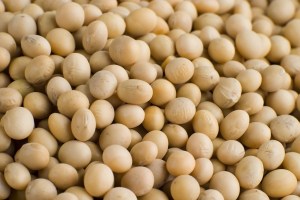 compounds have been reported to benefit the cardiovascular system or to reduce bone loss after menopause. Isoflavones – genistein, daidzein, and saponins in soy foods are the main nutritional components that are supposed to be of benefit.
 Manbir Online ~ for Health & Fitness