Lipid Profile Values

Lipid Profile Values

ADULT VALUE

Desirable

Borderline

High Risk

Cholesterol

<200 mg /dl

200-240mg /dl

>240 mg /dl

Triglycerides

<200 mg /dl

200-400 mg /dl

400-1000 mg /dl

HDL-Cholesterol

>60 mg /dl

35-45 mg /dl

<35 mg /dl

LDL-Cholesterol

<130 mg /dl
( <100 mg /dl if the patient has CHD )

130-160 mg /dl

>160 mg /dl

Cholesterol to HDL Ratio

< 4.0

5.0

> 6.0

Lipid Profile

Lipid Profile

INTRODUCTION

Hyperlipidaemia has emerged as one of the most important preventable and modifiable risk factors for coronary heart disease (CHD). Clinical signs of this condition are an increase in the fasting serum cholesterol level (hypercholesterolaemia) or the fasting serum triglyceride level (hypertriglyceridaemia) or both. A meta- analysis of 16 randomised trials involving cholesterol-lowering interventions reported a 2.5% reduction in CHD incidence for every 1% cholesterol reduction. Lipid levels may be affected by diet, exercise, smoking, certain medications (e.g : beta blockers, thiazide diuretics, glueocorticoids) and concurrent disease states (e.g . kidney and liver diseases).

LIPIDS AND LIPOPROTEINS

The major plasma lipids include cholesterol, triglycerides and phospholipids. Lipoproteins are macromolecular complexes that play an important role in the transport and metabolism of lipids. Lipoproteins have been classified on the basis of their densities into five major classes, chylomicrons, very low density lipoproteins (VLDL), intermediate density lipoproteins (IDL), low-density lipoproteins (LDL) and high-density lipoprotelm (HDLP).

LIPID CONCENTRATIONS AND CHD

Total cholesterol (TC) is a sum of HDL cholesterol, LDL cholesterol and 20% of the triglyceride value. TC level is an excellent predictor of CHD. Since atheroselerosis begins early in life cholesterol levels in young adults predict CHD risk 30 to 40 years later. Cholesterol measurement will thus reduce the long-term risk for CHD.

•Although the role of high triglycerides as an independent factor in the development of CHD remains controversial, data from several prospective studies suggest that triglycerides are probably an important risk factor. Hypertriglyceridaemia is often associated with increased plasminogen activator inhibitor levels and impaired fibrinolysis. This is especially of importance in the Indian context since triglyceride levels are considered to be significantly elevated in Indians. However, recent data show that cholesterol levels are also significantly elevated in the Indian population.

The relation between VLDL and CHD is unclear at present. However, elevated VLDL levels occur quite commonly in persons afflicted by premature CHD. Moreover, VLDL gives rise to LDL, which has been undoubtedly proven to be atherogenic.

•LDL cholesterol is highly atherogenic, hence high levels of LDL increase the risk of CHD.
LDL = TC – (HDL + triglyceride/5)

•HDL cholesterol has been found to be inversely related to subsequent development of CHD, i.e. as HDL cholesterol increases, CHD risk decreases.

•Cardiac risk ratio i.e. Total cholesterol/ HDL, is an extremely potent predictor of CHD

•Lp (a), an LDL particle to which a large plasminogen-like protein, termed apo(a) has been linked via a disulfide bond is an atherogenic lipoprotein. There has been speculation that apo(a) could competitively inhibit the binding of plasminogen to its reeeptor and thus decrease plasmin formation and thrombolysis.

DIAGNOSIS

It is recommended that aduIts above 20 years shouid have total cholesterol and HDL measured at least once every five years.If these levels are abnormal, a lipoprotein analysis which measures 12 hours fasting total cholesterol, HDL and triglyceride is recommended. TC and LDL levels may be reduced by illness, inflammation, surgery and trauma. Hence, the measurements should be repeated after the illness has subsided. Patients at higher risk should be tested more often.

CONCLUSION

Effective control of the blood lipid levels reduced cardiovascular morbidity and mortality both in patients with established CHD and in those at risk of developing CHD. Hence knowledge of the various aspects of the lipid profile and the significance of each of the parameters is vital and is essential part of management of CHD and people at risk of CHD.

Drugs that reduce blood cholesterol levels also cut heart patients’ long-term risk of dying. Researchers now report that aggressive treatment to reduce blood fats (lipids) in patients with chest pain or those who have just had a heart attack can reduce their risk of dying by as much as 60%.

Lipid Profile Values

Dietary Sources of Vitamin E

Dietary Sources of Vitamin E

Cereals & milk products :
Whole meal bread, 2 slices – 1.5 mg
2 heaped tablespoon wheat germ – 3.6 mg
Brown rice boiled (160 gm ) – 0.5 mg 1/2 pint whole milk – 0.08 mg
1 egg – 0.6 mg
Fats & Oils :
2 tablespoon ghee(30gm) – 1 mg
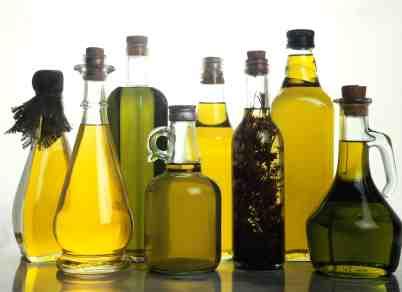
1 table spoon sunflower oil – 10 mg
2 table spoon cod liver oil – 2 mg
Butter (10gm) – 0.2 mg
Fruits & Nuts :
1 apple – 0.4 mg
1 banana – 0.3 mg
1 orange – 0.3 mg
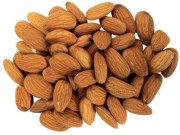
20 almonds – 4.8 mg
30 peanuts – 3.3 mg
Vegetables, Meat & Fish :
2 tomatoes – 1.8 mg
Sweet potato, boiles (150gm) – 6.5 mg
Baked Beans (200gm) – 1.6 mg
Liver(90gm) – 0.3 mg
Kidney (75gm) – 0.3 mg
Sardines (70gm) – 0.3 mg
Tuna (100gm) – 0.5 mg

Some Essential Nutrients

Some Essential Nutrients human being need:

Vitamins, along with other antioxidant nutrients such as beta-carotene, have been associated with protection against some chronic conditions, including Heart disease, Cancer and Cataracts.

Vitamin C

The recommended daily intake of vitamin C is 60 milligrams.

Vitamin C in high concentrations is found in several vegetables and fruits, including green and red peppers, collard greens, broccoli, spinach, tomatoes, potatoes, strawberries and citrus fruits.

Vitamin E, however, is more difficult to get in the diet, since it’s found mainly in vegetable oils, nuts, seeds and wheat germ .

The recommended dietary allowance for vitamin E is 30 IU (international units) per day. But research has shown that levels of 100 to 400 IU per day, which are nearly impossible to get from the typical diet, may protect against heart disease.

Dietary Sources of Vitamin E

Folate

Adequate intake of folate, is important in preventing neural tube birth defects.

It may also offer protection against heart disease by lowering blood levels of a substance called homocysteine.

The recommended daily intake is 400 micrograms.

Folate is found in fruits and vegetables (especially leafy greens), legumes and orange juice. Grain-based foods, such as wheat flour, breads and cereals are fortified with folic acid, which is the synthetic form of folate.

All women capable of becoming pregnant should take a supplement containing 400 micrograms of folic acid daily.

Calcium

The mineral calcium is vital to bone health and can help protect against Osteoporosis and fractures.

The recommended daily intake for adults is 1,000 milligrams for people aged 19 to 50 and 1,200 milligrams for people older than 50.

The best food sources are low-fat milk, yogurt and cheese, and calcium-fortified orange juice. Eat at least three servings a day of these foods to reach the recommended dose.

Vitamin D

Vitamin D is also crucial for bone health since it helps the body absorb calcium. The recommended daily intake is 200 IU for people younger than 50; 400 IU for people ages 51 to 70; and 600 IU for people older than 70.

Food containing Vitamin D are liver, butter, cream and egg yolks. Milk fortified with vitamin D is also a good source. Fortified breakfast cereals and fatty fish are also good choices.

Body can synthesize vitamin D from sunlight but not if you use sun block and not in the winter in northern climates.

It is important to remember that:-

Balanced diet is most important aspect is your diet which ‘no amount of supplements can replace.

Supplements cannot give you fiber and many miconutrients and other chemicals ( known & unknown ones ) needed by your body.

More of supplements are of not much use. Rather excess of some vitamins can be harmful like Vitamin A & D

Costly brand names may not be more beneficial.

Always remember to tell your doctor any vitamins or minerals or other supplements you are taking.

Substances that Boost Brain Power !!