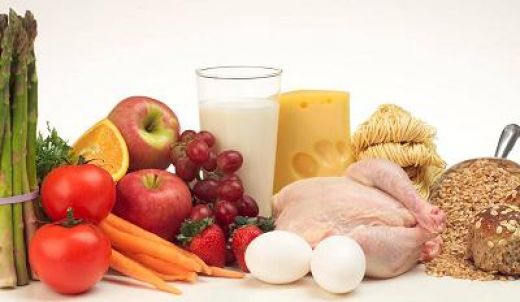
Food that help reduce Fat

Food that help reduce Fat

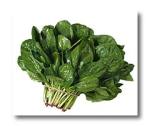
  SPINACH – Spinach and lettuce add bulk and they fill in your stomach and thus you have less apace for pasties and ice creams. These also have lots of iron, folate calcium and vitamin A,B,C and E. Women who take folate rich diet reduce the risk of producing babies with cleft lip or palate.
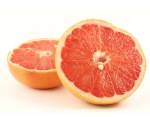
  GRAPEFRUIT – They have high fibre content. Grapefruit has less calories as compared to orange. The phytochemicals and the soluble fibre help in reducing cholesterol.
  APPLES – too give filling effect. Eating several apples a day may benefit you by taking you away from other food stuff. Flavinoids in fruits and vegetables have their benefits like those on high fruit and vegetable diet have less chance of getting a stroke.
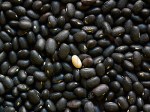
  BLACK BEANS – chickpeas and lentils are high in soluble fibre and low in fat. Regular intake of black beans lower the risk of colon cancer.
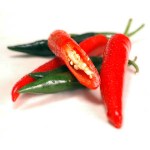
  CHILLIES – Capsaicin found in chillies boost metabolism increasing the energy the body burns during digestion.
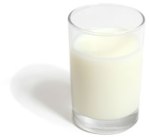
  LOW FAT MILK – Calcium rich foods do seem to boost metabolism. Women and girls who consume dairy products regularly have lower weight and less body fat than those who don’t. Plenty of calcium rich dairy food slash risk of ovarian cancer.
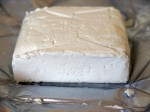
  COTTAGE CHEESE – has much less fat as compared to cheddar cheese and it is also a very good source of protein. It also has calcium & vitamin B-12.
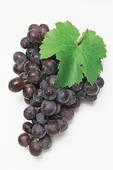
  STRAWBERRIES – Strawberries, peaches, plums and grapes come with cancer fighting carotenoids and appetite suppressing fibre.
 Phytochemicals

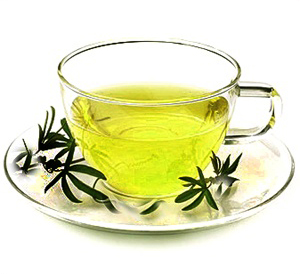
Green Tea

Green Tea

What is Green Tea and how is it made ?

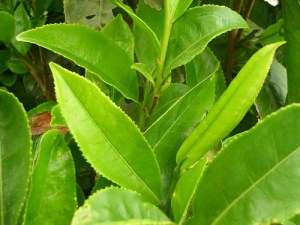
The tea is a product of a plant known as C. sinensisa native of Southeast Asia. The tea brewed from the dried leaves of this plant has been drunk in China since perhaps the 28th century BC. It was first brought to Europe by the Dutch in the early 17th century AD.
Leaf buds and young leaves are used in making tea, the age of the leaves determining the taste and name of the particular commercial variety. After picking, the leaves either are dried immediately and completely to produce green teas, or are partially dried and then allowed to ferment to produce various kinds of black teas. After being sorted, all grades of tea are packed in foil-lined chests to prevent the absorption of unpleasant odors or the loss of aroma during shipment. In China, tea is sometimes allowed to absorb the scent from various flowers particularly Jasmine.

Tea is an aromatic stimulant, containing various polyphenols, essential oils, and caffeine. The concentration of caffeine in tea ranges from 2.5 to 4.5 percent, in contrast to an average concentration of about 1.5 percent in coffee.

Green Tea, is abundantly grown in the foothills of the mighty Himalayas. This belt grows the best teas in the world.
Scientists from Japan Cancer Institute have been successful in identifying a substance in Green Tea called Catechins or Polyphenols, which act as strong antioxidants. They are in a position to clinically establish the old adage that “tea is a miraculous medicine for the mantainance of health”. Catechins remain unchanged in Green Tea as leaves are merely steamed, rolled and dried as opposed to black tea which is fermented.

A study of over 3,400 adults in Saudi Arabia–a country of tea-lovers–found that those who drank more than 6 cups per day of the brown beverage had a more than 50% lower risk of coronary heart disease compared to tea abstainers, even after adjusting for other factors such as smoking, diet and obesity.

Green Tea and Cancer

A new study by a team of Swedish researchers adds support to the growing body of evidence that green tea contains
compounds that fight cancer.  Green tea contains a compound called 
epigallocatechin-3-gallate (EGCG), which helps inhibit blood vessel growth. This could be useful in preventing tumors from forming new blood vessels, which they need to survive. In a study on mice, the researchers also found animals fed on green tea showed a 55-percent to 70-percent reduction in blood vessel development in the cornea of the eye, a finding that could prove helpful to diabetics suffering from  retinopathy.
Other studies have shown EGCG blocked an enzyme needed for cancer cell growth and kept cells from becoming cancerous without harming surrounding healthy cells. The researchers point out heavy consumption of green tea may not be beneficial for women who are pregnant or for people recovering from wounds, conditions that both require blood vessel development. 

Green Tea Battles Arthritis

 Antioxidants found in green tea may reduce the severity and even prevent symptoms of rheumatoid arthritis, a new study suggests. The antioxidants, called polyphenols, appear to possess more antioxidant potency than some vitamins. Researchers also point out there is anecdotal evidence suggesting that people living in India, China and Japan —where green tea consumption is high — have lower rates of rheumatoid arthritis.

Green tea polyphenols applied to human skin prevent ultraviolet light-induced damage, according to a study.

Tea and its benefits

Continue reading

Eat and Cook Healthy

Eat and Cook Healthy

To lead a healthy and fit life we need to eat and cook healthy. Here are few tips which may be of help in keeping you fit and eat healthy food.

  • Substitute whole milk with skimmed milk.

  • Make curd and paneer (cheese) from skimmed milk.

  • Instead of frying prefer baking, grilling, roasting and steaming of food.

  • Use brown ( unpolished ) rice

  • Use whole wheat flour with bran.

  • Use non sticking pans to reduce the use of oil.

  • Oil or fat that has been used for repeated number of times as a cooking medium for frying should be avioded. Oil used for deep frying a number of times becomes toxic and is unhealthy.

  • Use less salt and sugar. You can gradually develop a taste of taking less amount of sugar with tea and coffee. Low sodium salt is also available which can be used instead of regular salt.

  • Avoid using soda bicarb in your cooking to prevent loss of vitamin A.

  • Use plenty of vegetables and fruits in your diet. Try taking 4-5 types of vegetablles and fruits daily.

  • Adding soya products to your daily diet would be of immense benifit, even if it is of small quantity.

  • Above all do not put yourself on diet.

    Food that help reduce Fat

Phytochemicals

Phytochemicals As Cancer Fighters

Phytochemicals are non nutritive plant chemicals that contain protective and disease preventing compounds. More than 900 different phytochemicals have been identified. It is estimated that a single serving of vegetables may have more than 100 different phytochemicals. Some, such as Digitalis and Quinine have been used for medicinal purposes for centuries.

Some Phytochemicals reduce oxidative stress, others dampen inflammation, detoxify contaminants and pollutants, and some activate enzymes that block the uncontrolled division of cells, and some make it easier for nutrients to pass through cells.

Some of the best known phytochemicals are the flavonoids which grow naturally in broccoli, carrots, peppers, soybean, tomatoes, tea, red wine, citrus fruits, onions, apples and grapes. Flavonoids may protect against cancer.

Apples and onions constituted the biggest source. In a study, regular apple-eaters had the lowest risk of lung cancer overall—68 percent lower than people who ate the fruit infrequently.
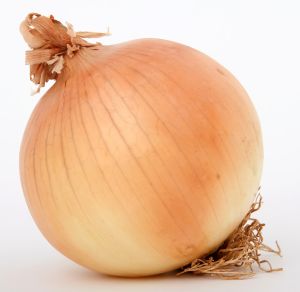
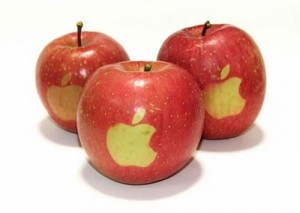
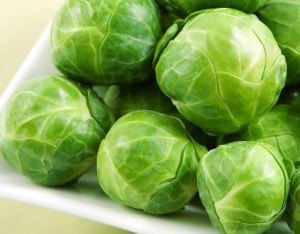
Indoles another kind of phytochemical are found in cruciferous vegetables such as broccoli and brussels sprouts and may offer protection against host of chronic diseases.
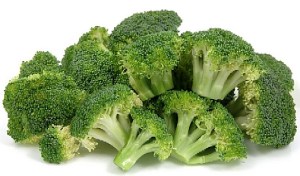
Other phytochemicals are Carotenoids and Isoflavones.

Carotenoids
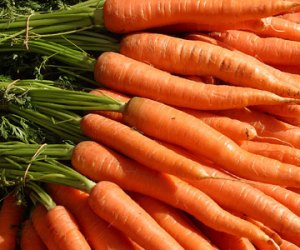
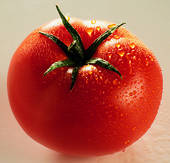
Beta-carotenes, the best known carotenoids give colour to carrots and other orange, red and yellow produce and are converted to vitamin A in our bodies. Lutein and Zeaxanthin (from green vegetables) and Lycopen (from Tomatoes) many protect against coronary artery disease, cataract, macular degeneration and cancer.
Isoflavones

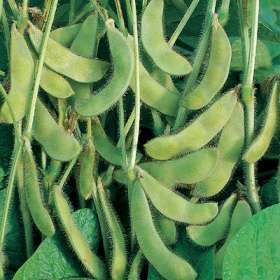
are plant estrogens – soy foods are a rich source and have same effect as estrogen. The benefits may be lowering of blood lipids, decrease risk of hormone related cancers of breast, ovaries, endometrium and prostrate, relief from menopausal symptoms.

Some important Phytochemicals containing food

Cruciferous Vegetables
Cauliflower (Gobhi), Broccoli, Brussel sprouts, Cabbage (Bund gobhi), Mustard green (Sarsaon) and Turnip green (Shalgam)

Contain Indoles and Isothiocyantes. These may help in trigerring enzymes that may act to block carcinogenic damage to the cell DNA.
Orange, Grapefruits and Lemon Vitamine C and Flavonoids act as antioxidants which can inhibit cancer cell growth.
Soya Products in soya beans and soya milk Contain Isoflavones. Diet high in these are associated with lower rates of cancers of Breast, Uterus and Prostate.
Garlic & Onion Contain sulphur compounds which triger enzymes that helps to excrete carcinogens from the body.
Tomatoes Contain Lycopene which is a powerful antioxidant. Diet high in tomatoes is associated with decreased risk of cancer of stomach, colon and prostate.
Carrots, Sweet Potatoes Contain alpha and beta carotene which protects against the environmental pollutants
Strawberries,Raspberries,Walnuts,almonds Contain Polyphenols
Beans, Oats, Barley,Whole wheat Contain Saponins
Ginger, Mint and Turmeric Contain Gingerols

Combination of antioxidants are needed for a complete, healthy diet and that it’s best to get these nutrients from foods rather than supplements

Natural sources of Antioxidant Vitamins and Minerals

Natural sources of Antioxidant Vitamins and Minerals

Vitamin A Mango, broccoli, carrots, tomato juice, sweet potato, pumpkin, beef liver
Vitamin C Amla, Spinach, broccoli, snow peas, tomato juice, mango, orange, grapefruit juice, strawberries, red bell peppers
Vitamin E Polyunsaturated plant oils, wheat germ, sunflower seeds, avocado, sweet potato, shrimp, cod
Selenium Seafood, meats, grains
Vitamin B6 Bananas, watermelons, tomato juice, broccoli, spinach, potatoes, white rice, chicken breast
Vitamin B12 Meats, poultry, fish, milk, eggs, shellfish
Folic Acid Tomato juice, green beans, broccoli, spinach, lady’s finger, lentils, black eyed peas
  Continue reading