HIV ~ Occupational Exposure

Occupational Exposure to HIV
Health care workers whose activities involve contact with HIV infected patients or contact with blood or fluid from such patients, are at risk of getting infected with HIV virus.
Post Exposure Prophylaxsis ( PEP ) : The rationale for treating occupational HIV exposures is that antiretroviral treatment immediately after exposure to HIV may abort infection by inhibiting local HIV replication. This would allow the host’s immune defences to eradicate the virus inoculum.

The transmission of HIV infection through occupational exposure is very rare. The risk of infection percutaneous i.e through skin is 0.3%. The risk of infection after mucous membrane exposure or exposure through broken skin is much less – 0.09%

Most of the cases of occupational exposures are those with needle stick injuries. A few have been with other sharp objects such as scalpels and broken glass. A significant number of percutaneous and other blood exposures occur during surgical procedures.

Body fluids which have the potential of transmiting infection are semen, vaginal secretions, and fluids with visible blood. Exposure to saliva, tears, sweat and non bloody urine or faeces does not entail a risk of infection.

Some protective measures :

  • Use of two pairs of gloves by the surgeons.
  • Use of barriers such as face shields, impervious gowns, amd impervious shoe covers.

Treatment of Occupational Exposure to HIV

Immediate measures

To use soap and water to wash any wound or skin that came into contact with suspected blood or fluid. Flush exposed mucous membrane with water. Do not apply caustic agents like bleach. Not to inject any antiseptic agents into the wound.

Post Exposure Prophylaxsis (PEP)

Only one agent Zidovudine is known to prevent the transmission of HIV in humans.However combination drugs are recommended. PEP is most effective if startd immediately. It should be initiated within 1-2 hours.

PEP regimens : for 28 days
Zidovudine 300 mg bd. +
Lamivudine 150 mg bd
If Exposure involved a high risk of transmission Indinavir 800 mg qid or Nelfinavir 750 mg tid should also be added.

Those with possible exposure should undergo followup HIV antibody testing at 6 weeks, 12 weeks and at 6 months.

HIV ~ Human Immunodeficiency Virus

HIV Virus ~ Stability and Infectivity

Stability and Infectivity of HIV Virus
The overwhelming scientific evidence is that HIV is fragile and highly susceptible to physical and chemical agents and therefore does not survive well outside the human body. Drying causes a rapid (within 1 or 2 hours) reduction in virus concentration and renders 90 to 99 percent of the virus inactive.Other studies have shown that HIV is rapidly inactivated by a range of physical and chemical agents such as low levels of heat, pH extremes, and a variety of chemicals. These observations, coupled with the enormous dilution factors in sewage systems, suggest that on-the-job HIV risk factors for sewage workers are virtually nonexistent. HIV is transmitted by sexual contact with an infected person, perinatally from an infected woman to her fetus or infant, through needle-sharing among intravenous drug users, and rarely, from accidents involving needlestick injuries and other blood exposures of health-care providers. Because there is no epidemiologic or laboratory evidence that HIV can be transmitted by the fecal-oral route or by air, fears associated with HIV transmission by other types of contact with sewage are not warranted.No instances of HIV transmission have been reported from an exposure incurred in performing mortuary services. The chemical germicides in embalming fluids have been tested and found to completely inactivate HIV.HIV is inactivated by heat and dies after 30 minutes at 56 degree C (132.8 degree F). It is also highly susceptible to physical and chemical agents.

If properly stored, HIV is very stable at low temperatures. It can last 7-10 days at 4 degree C (39.2 degree F) and months to years at -70 degree C (-94 degree F).

HIV ~ Human Immunodeficiency Virus

Absorption of calcium

Absorption of calcium
The amount of calcium in food items that we eat is absorbed differently. Like the calcium in spinach and calcium in milk is absorbed to the blood differently. The absorbability of calcium from spinach was compared with the absorbability of Ca from milk in healthy adults. Absorption was higher from milk in every case, with the mean absorption from milk averaging 27.6% and from spinach, 5.1%.

Thus, spinach Ca is much less readily available than milk Ca.

The presence of lactose (milk sugar), lactase (the enzyme that breaks down lactose), and the acidic amino acids, lysine and arginine, are all factors that improve calcium absorption.

Decreased absorption is associated with diets high in fiber. Foods such as whole grains and spinach are high in phytates and oxalates, compounds known to bind with calcium and reduce absorption.

Vitamin D intake is a second factor, as active calcium transport is directly and proportionally dependent on the presence in the intestinal cell of calbindin D9k, the biosynthesis of which is totally vitamin D dependent. 

Absorption in jejunum and ileum is the major absorptive process when calcium intake is adequate. No more than 10% of total calcium absorption takes place in the large intestine.

Addar Snakes

Addar Snakes                                                                   Family Colubridae

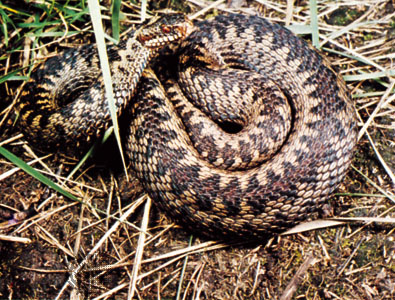
Adder is a common name for a snake of the viper family. There are many types of snakes also reffered as adders.

The range of this snake extends east to the Pacific Ocean and North to the Arctic Circle, the farthest north of any venomous snake. Its less than 2 ft. in length. 

Its color varies from gray, green, or brown to velvety black. A regular series of zigzag black marks may be seen on the back.

The common addar or common European viper, is a poisonous snake like all other vipers. Its bite is rarely fatal and this snake is less aggressive. It is the only poisonous snake found in Great Britain.

 Common Adder or European viper

Puff addar – Is a large snake in Africa and belongs to the viper family.

 Puff Addar

Death adder – is actually a member of the cobra family. It is found in Australia, New Guinea, and nearby islands. It has the most dangerous bite of any snake of this region. Its long fangs inject a large dose of a powerful poison a neurotoxic poison.

 Northern Death Adder

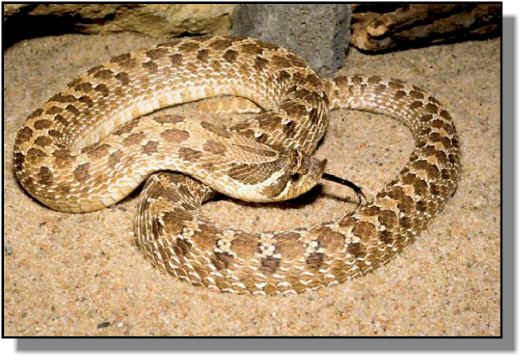
 Hognose snakes, also called puff adders, spreading adders, or hissing adders, rarely even bite; these snakes puff up and hiss wildly when disturbed.  Western Hognose Snake

Snake Bite

Pancreas Cell Transplants

New achievement in Pancreas Cell Transplants
In this procedure doctors injected an average of 350,000 islet cells directly into liver, a procedure that does not require major surgery. After this the liver started producing Insulin. This can have a far reaching effect on the treatment of the diabetics especially the Type I diabetes. Its too early for insulin injecting diabetics to be happy. The real problem is to find source for the islet cells of pancreas.Eight patients with severe diabetes were able to throw away their insulin for as long as 15 months – after a new cell-transplant procedure.

Islet cell transplants require whole pancreases, from which the insulin-producing cells are extracted. Each patient requires organs from at least two cadaver donors, meaning, a very small number of patients can benefit from this procedure. But researchers are hopeful they can find other sources of the precious cells, perhaps growing them from “stem” cells that are capable of forming various tissues.

Because of the risks of side-effects posed by anti-rejection drugs, the researchers at University of Alberta in Edmonton did the procedure only in patients with Type I diabetes, that was so severe that patients’ blood sugar couldn’t be controlled even with regular insulin shots. One woman, a junior high school teacher, regularly fell into a diabetic coma.

That woman and seven others “quickly attained insulin independence” after doctors injected an average of 350,000 islet cells directly into their livers, a procedure that does not require major surgery. To achieve good control of blood sugar, seven patients so far have required a second transplant, while an eighth has required a third.

Once researchers solve the problem of where to get human islet cells in large quantities, the real benefit of this islets cells transplant can be given to the patients.

 Stem Cell