Gurpreet Kaur’s journey in this world ....
Gurpreet Kaur was a Musician. She was a singer and a composer of music. Her interest was composing and singing Gurbani Shabads in Indian Classical style. She sang Shabads in All the Raags mentioned in Sri Guru Granth Sahib Ji. She also taught Gurmat Sangeet at Gurmat Gian Missionary College, Jawadi, Ludhiana.
Elder child to Pushpinder Kaur and Dr. Brig. Harminder Singh, was born in Amritsar on 13th Jan 1962. She attended various convent schools as a child because her father would get frequent Army postings as a dental surgeon. She graduated with Music Honors from Govt. College for Women, Chandigarh.
Music was her hobby and she composed and sang Raag based Gurbani Shabads. Doing Kirtan was part of growing up nurtured by her parents. She learned music from her father Dr. Brigadier Harminder Singh who was a dental surgeon in Indian Army and a very good singer himself. Gurpreet’s Bhua (father’s sister), Ajit Kaur retied as a Head of Department of Music from Govt. College for Women Ludhiana, and was a renounced Punjabi singer of her time. Gurpreet Kaur also learned nuances of Indian Classical Music from Pandita Sharma.
She was a mother of three children, and a grandmother. Her daughter Keerat Kaur is a Computer Engineer. Her two sons Gurkeerat Singh and Jaskeerat Singh are doctors in USA. Her daughter Keerat Kaur too was part of her group ~ Gurmat Gian Group.
Gurpreet Kaur left this world at the age of 54yrs on 12th Sept 2016 in Baltimore USA.
She had recorded around 25 cds of Gurbani Keertan.
'Raag Ratan' Album (6 CDs) is a Compilation of Shabads in All the 31 Sudh Raags of Sri Guru Granth Sahib Ji.
'Gauri Sagar' Album (3 CDs) is a Compilation of All forms of Raag Gauri in Sri Guru Granth Sahib Ji.
'Nanak Ki Malhaar' ~ ((3 CDs) is an album of Raag Malhar Shabads in various forms of Malhar.
'Gur Parsaad Basant Bana' ~ (3 CDs) is an album of Shabads in Raag Basant sung in various forms of Raag Basant.
Har Ki Vadeyai
Sarni Aayea
Sewa
Priya Kee Preet Piyaree
Mohan Ghar Aavho Karo Jodariya
Mo Kao Taar Le Raama Taar Le
Tere Kavan Kavan Gun Keh Keh Gawan
Mera Baid Guru Govinda
Saajanrraa Mera Saajanrraa
Tobacco is a serious but preventable risk factor for the heart diseases. It has a large habit forming potential. The strong addiction to smoking needs equally strong motivation and determination to get rid of this habit. But it is not an impossible task. Those who on this habit have no option but to get rid of this addiction if they wish to prevent heart and lung problemsand to avoid expensive cardiac surgery like cardiac bypass or angioplasty in the future.
A smoker has to makeup his mind to quit smoking. It has to be 100 percent, as anything less that this would not do. It should be understood that it is far easier for a confirmed smoker not to smoke a single cigarette than to struggle with a reduced number. Thus one has to aim at quitting completely. There is nothing like a “reduction in smoking”.
The rewards of quitting smoking are enormous. The extra risk of heart problems start reducing the moment you stop smoking and it should practically disappear in two to three years.
If you can stop smoking and throw away your pack of cigarette for good, nothing like it. If not, you can do it in two or three stages, but with a clear resolve that the goal is complete abstinenceand under no circumstances the interim stage be allowed to become the goal.
It is a fact that one cigarette leads to another, because it not only satisfies the craving for the nicotine but also produces craving for more. You would have noticed that when you get up in the morning the craving for the cigarette is the minimum. but after the first smoke the craving increases. It is therefore important to recognize that the easiest cigarette to resist is the first cigarette of the day. Similarly if you are confined to bed due to some illness and have not smoked for a few days, the craving appreciably diminishes.
Thus, if you cannot stop smoking all of a sudden, then you should do it in 3 stages.
In the first stage reduce the number to exactly half, realizing fully that this is a temporary and merely the first battle against tobacco. Continue this for a month. You’ll notice that craving for the cigarette has considerably reduced.
In the second stage, reduce the number of cigarettes to 4 or 5, and continue for another month. At this stage you’ll find that the craving has become so little that it is not difficult to stop the cigarette smoking.
In the third or the final stage, take the final plunge and say goodbye to smoking forever. Do not keep any cigarettes at home. Throw away all the things like ash trays, cigarette tighter or anything that may remind you of smoking.
Make your house a real Non Smoking Zone
In the first few days you may need some substitute like chewing gums or cardamom. Make use of them but be sure not to allow any temptation to overpower you to take to cigarettes.
It should be understood that the nicotine addiction is like any other addiction and can wake up again any time if you smoke even one cigarette. You may be tempted to argue with yourself that you will only smoke 3 or 4 cigarettes a day. But this does not work. It has worked with no one and it would not work with you also. The four cigarettes would soon become 40.
Once you have stopped smoking it should be complete abstinence forever.
Whenever you have that craving, try deep breathing when either standing or sitting. Having a glass of water and exercising also helps to decrease the craving.
When you feel like taking tobacco, think of your children and the effect on their future if you develop any of the dangerous diseases caused by tobacco.
Use the 4 Ds when the craving for smoking/tobacco hits you:
Do something else
Delay smoking/tobacco consumption
Deep breathing
Drink water
Use positive self-talk.
Practice relaxation techniques (yoga, walking, meditation, dancing, music etc.) every day.
Tobacco smoke contains more than 4,000 identified chemical compounds, 43 of which are known to cause cancer in humans or animals.
The terms “light” and “mild” are grossly misleading, since they imply a healthier cigarette or tobacco product and smokers regulate their nicotine intake by the intensity, volume or frequency of puffing to get their desired nicotine dose.
Smokers who don’t quit in their early thirties have a 50% chance of dying of a tobacco-related disease.
Smokeless Tobacco
There are forms of smokeless tobacco – Tobacco is taken in various ways – Tobacco with betel leaves, Chewing tobacco (khaini), Guthkha, Tobacco snuff.
Smokeless tobacco is not safer than cigarettes-it contains many dangerous chemicals, including cancer-producing chemicals.
Long-term smokeless tobacco users begin to develop oral tissue abnormalities within a year.
Smokeless tobacco can result in non-cancerous and pre-cancerous oral lesions, gum recession, gingivitis, tooth caries, abrasion and stains.
Passive Smoke (ETS)
Environmental tobacco smoke (ETS) [passive smoke] is a Group A carcinogen and it causes 30 times as many lung cancer deaths as all air pollutants combined.
Exposure to passive smoke increases the risk of lower respiratory tract infections, asthma, ear infections and Sudden Infant Death Syndrome in children
Health Risks
Nicotine produces cancer. Cancers caused by Tobacco
Oral cancers
Oropharyngeal cancers
Laryngeal cancers
Hypopharyngeal cancer
Lung cancer
Esophageal cancer
Urinary bladder cancer
Nicotine causes increases in heart rate, blood pressure, and blood flow from the heart; narrowing of blood vessels; decreased oxygen in the blood; increased fatty acids, glucose, cortisol and other hormones in the blood; increased risk of hardened arteries and blood clotting.
Pregnancy and Smoking
Many women, particularly teenage girls, have taken up smoking in recent years. A study revealed that smoking among pregnant teens has increased, with as many as 29% of non-Hispanic white teens smoking during pregnancy.The health benefits of quitting smoking are significant for the unborn children of pregnant women.
Pregnant women who smoke are at much greater risk of miscarriage, stillbirth, pre-term delivery, low-birth weight, and infant mortality.
If the pregnant woman stops smoking before pregnancy or during the first 3-4 months of pregnancy, the risks of low birth weight are reduced.
Even though the use of the nicotine replacement patch during pregnancy is controversial, many experts agree that the benefits of quitting outweigh the potential toxicity of nicotine found in NRT treatments.
Some people commit suicide by drowning, others by consuming poison, and still others by smoking. The only difference being that smoking not only affects the smokers but also people in the surrounding area and environment.
Tobacco smoking related diseases constitute a major health problem all over the world.Most of the disorderslinked with tobacco smoking result in various health related problems.Tobacco smoke contains more than 4000 compounds some of which are active antigenic, cytotoxic, mutagenic and carcinogenic.
A habitual smokers’ life is shortened by about 11 minutes per cigarette smoked. The average loss of life of a smoker who smokes 16 cigarettes per day is about Six and a half year. A pack a day cigarette smoker puffs more than 70,000 times a year and thus exposes the membranes of the mouth, nose, pharynx, wind pipes and pulmonary tree repetitively to tobacco smoke.
The three constituents of tobacco smoke that are thought to pose the greatest risk to health are:
Nicotine
Carbon monoxide
Tar
NICOTINE
Nicotine, a highly toxic substance is readily absorbed from the oral, nasal and respiratory mucosa to reach the brain tissue within 7 seconds of inhalation. A smoker who smokes 20 cigarettes a day inhales 100mg of nicotine a week which in a single dose will kill him as rapidly as a bullet.
The fatal dose of nicotine is 60mg. It is a neuroendocrine stimulant and causes addiction.
CARBON MONOXIDE
A toxic gas that interferes with oxygen transport, carbon monoxide binds with haemoglobin and forms carboxy haemoglobin (C0Hb). Chronic elevated COHB leads to the occurrence of arteriosclerotic disease, coronary insufficiency, polycythaemia and impairment of skill and co-ordination. In smoking mothers it is associated with still birth, spontaneous abortions and low birth weight baby.
TAR
Tar is the aggregate of particulate matter in tobacco smoke after subtracting nicotine and moisture. It is known to cause cancer. The other major identified carcinogens in tobacco smoke are polynuclear aromatic hydrocarbons, aromatic amines, nitrosamines and catechol. It also contains many potent pulmonary irritants and ciliotoxins.
ADVERSE EFFECTS:Chronic tobacco smoking adversely affects all systems of the body.Heart: Smoking is one of t the three main independent risk factors for coronary heart disease along with hypertension and hypere-cholesterolaemia. Cardiac death rates are 60-70% greater in male smokers than in nonsmokers.Lungs: Chronic smokers show abnormalities of pulmonary function tests. Smoking causes chronic bronchitis and emphysema. It has been associated with an increased incidence of respiratory infections and death from influenza and pneumonia.Cancer: Smoking is the single most important cause of cancer.
The risk of lung cancer is 10 times more in men who smoke one pack a day
and 25 times more in those who smoke two packs a day as compared to nonsmokers.
It also contributes to the development of oral, laryngeal, esophageal, gastric, pancreatic, kidney and bladder cancers.
Ulcers: There is increased incidence of gastric and duodenal ulcers and chronic mouth ulcers in people who smoke.
Stroke: It is a risk factor for development of strokes.
Plasma fats: Tobacco smoking increases the serum concentration of glucose, cortisol, free fatty acids and decreases the ratio of protective high density lipoprotein, to low density lipoprotein which is harmful.
Pregnancy: Smoking in women is associated with delayed conception and increased incidence of ectopic pregnancy. Complications of pregnancy such as Abruptio placentae, IUGR and preterm labour also increase with smoking. It significantly decreases breast milk volume and infant growth rate.
Various forms of smoking are practiced in different parts of India. Among the smoking habits, bidi takes the leading position followed by cigarette, hookah and cigar. Due to the cruder form of tobacco in bidi it has a higher concentration of tar and nicotine and thus is more carcinogenic than cigarette.
Nicotine being addictive, chronic smokers need adequate treatment to quit smoking. Addiction to tobacco is basically addiction to Nicotine. Smokers try to maintain thier blood nicotine levels.Of course, apart from treatment, a great amount of will power and self confidence are also needed.A diet rich in vitamin E foods such as nuts and whole grains can lower the risk of lung cancer among smokers by about 20%.
According to a study: Earlier a person begins to smoke, the more genetic damage they are likely to suffer, increasing their risk for cancer. The findings suggest that adolescents may be handicapping themselves for the rest of their lives in terms of their ability to recover from the damage tobacco can produce.All smokers develop DNA damage, a precursor to cancer, and all smokers who quit show some DNA repair. But smokers who picked up the habit at a very young age, around ages 9 to 12, showed the highest amount of DNA damage.
A study conducted by American Institute of Andrology at Lexington, Ky suggested:Nonsmoking men enjoy sex more and have sex twice as often as men who smoke heavily. Smoking appears to affect sexual behavior. Studies have linked cigarette smoking to fertility problems in men. Now, researchers suggest cigarette smoking may dampen some of the pleasure of sex for some men.
The study looked at 300 men between the ages of 24 and 36 and found that nonsmokers had sex 11.6 times a month, on average, compared to 5.7 times a month for smokers.
A study found that Cigarette smoking almost doubled the chances of developing moderate or complete erectile dysfunction. Exposure to passive smoke also significantly increased the incidence of erectile dysfunction.
Smoking is a major factor in impotence. It is also a turnoff to the opposite sex.
Tobacco use has been associated with premature aging and skin wrinkling.
Biotin is water-soluble and is required by all organisms. In human intestine, bacteria produce biotin.
Recommended daily intake: 30 µg
Biotin is present in the skin, hair, nerves and bone marrow.
Biotin deficiency rarely, if ever, occurs in healthy individuals who consume a regular diet. Almost all foods contain significant quantities of biotin, and many widely consumed foods are relatively rich in biotin. the intestinal flora synthesizes significant quantities of biotin. A significant fraction of the body’s biotin is recycled; that is, a given molecule of biotin may be repeatedly used before it is eventually lost from the body in the feces or urine.It can happen in those being treated either with certain anticonvulsants or with broad-spectrum antibiotics. Consuming raw egg white may cause biotin deficits. Avidin, a protein found in egg white, can bind biotin and prevent it being absorbed. Biotin-Avidin complex is not broken during the passage of food in the intestine and is lost in the feces.
Athletes often take biotin because they are most likely to experience a deficit. Anticonvulsants inhibit biotin absorption in the small intestine or increase urinary excretion of the vitamin. Biotin deficiency is relatively common in pregnant women, because excretion levels are higher. Pregnant women are advised to take addition biotin (at least 400 µg/ day).
Biotin deficiency causes skin, nail and hair loss. It may also result in weakness, depression, hallucination, numbness, fatigue, irritation, rashes, loss of appetite, and even depression.
Symptoms of Biotin deficiency first start with skin and hair.
Dry skin
Seborrheic dermatitis
Fungal infections
Rashes, including erythematous periorofacial macular rash
Fine and brittle hair
Hair loss or total alopecia
Approximately 1-2 weeks later, neurologic symptoms begin to develop.
Mild depression, Changes in mental status
Generalized muscular pains
Other symptoms
Nausea, Vomiting, Anorexia.
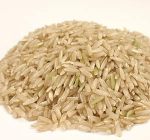
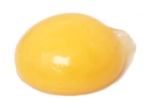
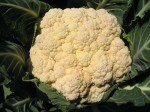
Biotin is found in various food stuffs in generally lower amounts than other water-soluble vitamins. Biotin containing food products include bread, brown rice, bran cereals, egg yolk, yeast, nuts, beans, peas, cauliflower, liver, kidney and fish. Biotin supplements may be recommended in case of skin, nail and hair loss.
Phosgene is the chemical compound with the formula COCl2. It is a colorless gas which gained importance as a chemical weapon during World War I.Phosgene was synthesized by the British chemist John Davy in 1812 by exposing a mixture of carbon monoxide and chlorine to sunlight.
In low concentrations, its odor resembles freshly cut hay or grass.
It is also an industrial reagent in synthesis of pharmaceuticals and other organic compounds. In addition to its industrial production, small amounts occur naturally from the breakdown and the combustion of organochlorine compounds, such as those used in refrigeration systems.Phosgene is produced by passing purified carbon monoxide and chlorine gas through a bed of porous activated carbon, which serves as a catalyst.
Upon ultraviolet (UV) radiation in the presence of oxygen, chloroform slowly converts into phosgene. To suppress this photodegradation, chloroform is often stored in brown-tinted glass containers.
The great majority of phosgene is used in the production of isocyanates, The isocyanates are precursors to polyurethanes.
Significant amounts are also used in the production of polycarbonates. Polycarbonates are an important class of engineering thermoplastic found, for example, in lenses in eye glasses.
Phosgene is an insidious poison as the odor may not be noticed and symptoms may be slow to appear. Its high toxicity arises from the action of the phosgene on the proteins in the pulmonary alveoli, which are the site of gas exchange. The damage to the alveoli disrupts the blood-air barrier, causing suffocation.Sodium bicarbonate may be used to neutralise liquid spills of phosgene. Gaseous spills may be neutraised with ammonia.
Following the extensive use of phosgene gas in combat during World War I, it was stockpiled by various countries as part of their secret chemical weapons programs.Phosgene was frequently used by the Imperial Japanese Army against the Chinese during the Second Sino-Japanese War.


 linked with tobacco smoking result in various health related problems.Tobacco smoke contains more than 4000 compounds some of which are active antigenic, cytotoxic, mutagenic and carcinogenic.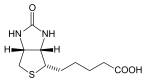






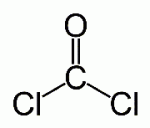 as a chemical weapon during World War I.Phosgene was synthesized by the British chemist John Davy in 1812 by exposing a mixture of carbon monoxide and chlorine to sunlight.
 Manbir Online ~ for Health & Fitness