Unknown's avatar

About Manbir & Gurpreet

Gurpreet Kaur’s journey in this world .... Gurpreet Kaur was a Musician. She was a singer and a composer of music. Her interest was composing and singing Gurbani Shabads in Indian Classical style. She sang Shabads in All the Raags mentioned in Sri Guru Granth Sahib Ji. She also taught Gurmat Sangeet at Gurmat Gian Missionary College, Jawadi, Ludhiana. Elder child to Pushpinder Kaur and Dr. Brig. Harminder Singh, was born in Amritsar on 13th Jan 1962. She attended various convent schools as a child because her father would get frequent Army postings as a dental surgeon. She graduated with Music Honors from Govt. College for Women, Chandigarh. Music was her hobby and she composed and sang Raag based Gurbani Shabads. Doing Kirtan was part of growing up nurtured by her parents. She learned music from her father Dr. Brigadier Harminder Singh who was a dental surgeon in Indian Army and a very good singer himself. Gurpreet’s Bhua (father’s sister), Ajit Kaur retied as a Head of Department of Music from Govt. College for Women Ludhiana, and was a renounced Punjabi singer of her time. Gurpreet Kaur also learned nuances of Indian Classical Music from Pandita Sharma. She was a mother of three children, and a grandmother. Her daughter Keerat Kaur is a Computer Engineer. Her two sons Gurkeerat Singh and Jaskeerat Singh are doctors in USA. Her daughter Keerat Kaur too was part of her group ~ Gurmat Gian Group. Gurpreet Kaur left this world at the age of 54yrs on 12th Sept 2016 in Baltimore USA. She had recorded around 25 cds of Gurbani Keertan. 'Raag Ratan' Album (6 CDs) is a Compilation of Shabads in All the 31 Sudh Raags of Sri Guru Granth Sahib Ji. 'Gauri Sagar' Album (3 CDs) is a Compilation of All forms of Raag Gauri in Sri Guru Granth Sahib Ji. 'Nanak Ki Malhaar' ~ ((3 CDs) is an album of Raag Malhar Shabads in various forms of Malhar. 'Gur Parsaad Basant Bana' ~ (3 CDs) is an album of Shabads in Raag Basant sung in various forms of Raag Basant. Har Ki Vadeyai Sarni Aayea Sewa Priya Kee Preet Piyaree Mohan Ghar Aavho Karo Jodariya Mo Kao Taar Le Raama Taar Le Tere Kavan Kavan Gun Keh Keh Gawan Mera Baid Guru Govinda Saajanrraa Mera Saajanrraa

Eat and Cook Healthy

Eat and Cook Healthy

To lead a healthy and fit life we need to eat and cook healthy. Here are few tips which may be of help in keeping you fit and eat healthy food.

  • Substitute whole milk with skimmed milk.

  • Make curd and paneer (cheese) from skimmed milk.

  • Instead of frying prefer baking, grilling, roasting and steaming of food.

  • Use brown ( unpolished ) rice

  • Use whole wheat flour with bran.

  • Use non sticking pans to reduce the use of oil.

  • Oil or fat that has been used for repeated number of times as a cooking medium for frying should be avioded. Oil used for deep frying a number of times becomes toxic and is unhealthy.

  • Use less salt and sugar. You can gradually develop a taste of taking less amount of sugar with tea and coffee. Low sodium salt is also available which can be used instead of regular salt.

  • Avoid using soda bicarb in your cooking to prevent loss of vitamin A.

  • Use plenty of vegetables and fruits in your diet. Try taking 4-5 types of vegetablles and fruits daily.

  • Adding soya products to your daily diet would be of immense benifit, even if it is of small quantity.

  • Above all do not put yourself on diet.

    Food that help reduce Fat

How best to Organize your Diet

How best to Organize your Diet

The best way to organise your diet is by adding more of Vegetables and Fruits, cuting down on saturated Fats and to bring down as much as possible the amount of meat in a week.

Fruits and vegetables are full of nutrients, and most are low in fat and calories. In addition, they contain several plant chemicals (often called phytochemicals ) that also contribute to health and possibly disease prevention — and you can’t get them from a vitamin pill.

Eating Vegetables and Fruits have to be in sufficient quantity. Five servings a day is ideal. It may sound difficult but by organising your food items, taking care of your likes and dislikes it is indeed possible by adding good amount of vegetables and fruits in every meal you take.

  • Include fruits and vegetables in every meal.
  • Convenience has to be important ground rule. Canned food items or fresh ones as per liking and availability.
  • Variety is also important. Eat diffirent vegetables and fruits rather than eating same type every day.
  • Vegetables should be focus of your meals. Try to skip meat all together couple of days in a week.

For many people, healthful eating is a temporary endeavor, cut short by unrealistic goals and bad feelings when those goals aren’t met. But it doesn’t have to be that way.

Don’t consider yourself ‘on a Diet’. Diets are things people start and stop, while healthful eating should be a way of life.

Do not give up your favorite foods entirely. You may not banish chocolate or french fries from your menu forever, but do keep portions reasonable and view those foods as treats, rather than staples.

There is nothing like Good food or Bad foodRemember that all foods can fit in a healthful eating pattern — again, in the appropriate proportions. 

         A typical day’s healthy diet should include:

  • No more than 10 percent of calories from saturated fat and
  • No more than 30 percent of total calories from all types of fat.
  • 55 percent or more of total daily calories should come from complex carbohydrates such as those found in cereals, grains, fruits and vegetables.
  • Dietary cholesterol should be limited to 300 milligrams a day.
  • No more than six grams or one teaspoon of salt each day.
  • To choose most of what they consume from plant-based sources.
  • To eat five servings of fruits and vegetables.
  • To eat six servings of breads, pastas and cereals every day.

The good news is that we don’t need one diet to prevent
heart disease, another to decrease cancer risk and yet
another to prevent obesity and diabetes.

Calculate your Calorie requirement

Phytochemicals

Phytochemicals As Cancer Fighters

Phytochemicals are non nutritive plant chemicals that contain protective and disease preventing compounds. More than 900 different phytochemicals have been identified. It is estimated that a single serving of vegetables may have more than 100 different phytochemicals. Some, such as Digitalis and Quinine have been used for medicinal purposes for centuries.

Some Phytochemicals reduce oxidative stress, others dampen inflammation, detoxify contaminants and pollutants, and some activate enzymes that block the uncontrolled division of cells, and some make it easier for nutrients to pass through cells.

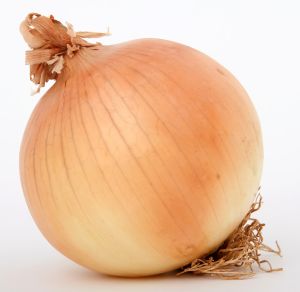
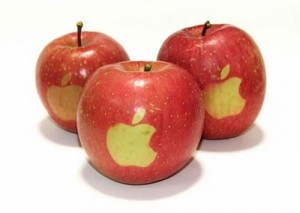
Some of the best known phytochemicals are the flavonoids which grow naturally in broccoli, carrots, peppers, soybean, tomatoes, tea, red wine, citrus fruits, onions, apples and grapes. Flavonoids may protect against cancer.

Apples and onions constituted the biggest source. In a study, regular apple-eaters had the lowest risk of lung cancer overall—68 percent lower than people who ate the fruit infrequently.
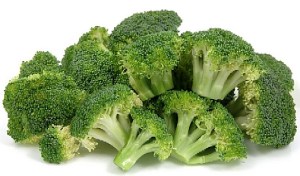
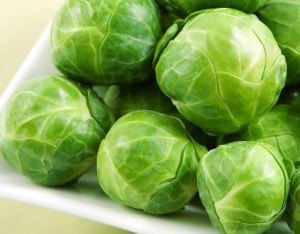
Indoles another kind of phytochemical are found in cruciferous vegetables such as broccoli and brussels sprouts and may offer protection against host of chronic diseases.
Other phytochemicals are Carotenoids and Isoflavones.

Carotenoids
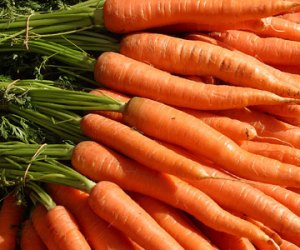
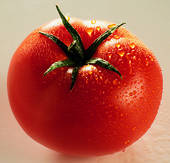
Beta-carotenes, the best known carotenoids give colour to carrots and other orange, red and yellow produce and are converted to vitamin A in our bodies. Lutein and Zeaxanthin (from green vegetables) and Lycopen (from Tomatoes) many protect against coronary artery disease, cataract, macular degeneration and cancer.
Isoflavones

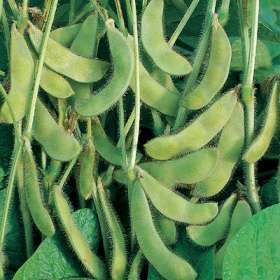
are plant estrogens – soy foods are a rich source and have same effect as estrogen. The benefits may be lowering of blood lipids, decrease risk of hormone related cancers of breast, ovaries, endometrium and prostrate, relief from menopausal symptoms.

Some important Phytochemicals containing food

Cruciferous Vegetables
Cauliflower (Gobhi), Broccoli, Brussel sprouts, Cabbage (Bund gobhi), Mustard green (Sarsaon) and Turnip green (Shalgam)

Contain Indoles and Isothiocyantes. These may help in trigerring enzymes that may act to block carcinogenic damage to the cell DNA.
Orange, Grapefruits and Lemon Vitamine C and Flavonoids act as antioxidants which can inhibit cancer cell growth.
Soya Products in soya beans and soya milk Contain Isoflavones. Diet high in these are associated with lower rates of cancers of Breast, Uterus and Prostate.
Garlic & Onion Contain sulphur compounds which triger enzymes that helps to excrete carcinogens from the body.
Tomatoes Contain Lycopene which is a powerful antioxidant. Diet high in tomatoes is associated with decreased risk of cancer of stomach, colon and prostate.
Carrots, Sweet Potatoes Contain alpha and beta carotene which protects against the environmental pollutants
Strawberries,Raspberries,Walnuts,almonds Contain Polyphenols
Beans, Oats, Barley,Whole wheat Contain Saponins
Ginger, Mint and Turmeric Contain Gingerols

Combination of antioxidants are needed for a complete, healthy diet and that it’s best to get these nutrients from foods rather than supplements
Natural sources of Antioxidant Vitamins and Minerals

Natural sources of Antioxidant Vitamins and Minerals

Vitamin A Mango, broccoli, carrots, tomato juice, sweet potato, pumpkin, beef liver
Vitamin C Amla, Spinach, broccoli, snow peas, tomato juice, mango, orange, grapefruit juice, strawberries, red bell peppers
Vitamin E Polyunsaturated plant oils, wheat germ, sunflower seeds, avocado, sweet potato, shrimp, cod
Selenium Seafood, meats, grains
Vitamin B6 Bananas, watermelons, tomato juice, broccoli, spinach, potatoes, white rice, chicken breast
Vitamin B12 Meats, poultry, fish, milk, eggs, shellfish
Folic Acid Tomato juice, green beans, broccoli, spinach, lady’s finger, lentils, black eyed peas
  Continue reading

Add More Fiber to Your Meals

Add More Fiber to Your Meals

A low-fat, high-fiber diet promotes gastrointestinal health and may protect against Heart disease, Diabetes, Colon & Rectal Cancer, Breast and Prostate cancer.

Fiber is not a nutrient. But is has a very important role in our diet.

High Fiber Food are low in calories and low in Fat and are more filling.
Fiber, found only in plant-based foods, is a general term for the complex carbohydrates in foods that pass through the body undigested. There are two different types of fiber: soluble and insoluble. Soluble fiber dissolves in water; insoluble fiber doesn’t. Some foods contain soluble fiber, others contain insoluble fiber, and many contain a combination. The two types of fiber act differently in the body, and both are important. But increasing the overall fiber content of your diet is more important than focusing on the specific types of fiber.

All of these foods are good sources of fiber:

  • Whole grains. These are grains, such as wheat, oats, rice, barley and corn, that have not been refined. Refining is the process of removing certain parts of the grain — the parts that happen to contain the fiber. White flour is made from refined wheat grain, whereas whole-wheat flour is made from unrefined wheat grain.
  • Fruits and vegetables. Fruits and vegetables are high in fiber.
  • Legumes. Legumes are dry beans and peas. In addition to being an excellent source of fiber, legumes contain vitamins and minerals and are a good source of protein.
  • Nuts and seeds. Nuts and seeds are high in fiber, but are also high in calories and fat, so don’t go overboard.

Prefer Whole Wheat Bread ( Brown Bread ).
Prefer Brown Rice or Barley to white rice.
Eat bean based dishes more often.
Add nuts and seeds and dried fruits to salads.
When possible eat vegetables and fruits raw and with skin.