Unknown's avatar

About Manbir & Gurpreet

Gurpreet Kaur’s journey in this world .... Gurpreet Kaur was a Musician. She was a singer and a composer of music. Her interest was composing and singing Gurbani Shabads in Indian Classical style. She sang Shabads in All the Raags mentioned in Sri Guru Granth Sahib Ji. She also taught Gurmat Sangeet at Gurmat Gian Missionary College, Jawadi, Ludhiana. Elder child to Pushpinder Kaur and Dr. Brig. Harminder Singh, was born in Amritsar on 13th Jan 1962. She attended various convent schools as a child because her father would get frequent Army postings as a dental surgeon. She graduated with Music Honors from Govt. College for Women, Chandigarh. Music was her hobby and she composed and sang Raag based Gurbani Shabads. Doing Kirtan was part of growing up nurtured by her parents. She learned music from her father Dr. Brigadier Harminder Singh who was a dental surgeon in Indian Army and a very good singer himself. Gurpreet’s Bhua (father’s sister), Ajit Kaur retied as a Head of Department of Music from Govt. College for Women Ludhiana, and was a renounced Punjabi singer of her time. Gurpreet Kaur also learned nuances of Indian Classical Music from Pandita Sharma. She was a mother of three children, and a grandmother. Her daughter Keerat Kaur is a Computer Engineer. Her two sons Gurkeerat Singh and Jaskeerat Singh are doctors in USA. Her daughter Keerat Kaur too was part of her group ~ Gurmat Gian Group. Gurpreet Kaur left this world at the age of 54yrs on 12th Sept 2016 in Baltimore USA. She had recorded around 25 cds of Gurbani Keertan. 'Raag Ratan' Album (6 CDs) is a Compilation of Shabads in All the 31 Sudh Raags of Sri Guru Granth Sahib Ji. 'Gauri Sagar' Album (3 CDs) is a Compilation of All forms of Raag Gauri in Sri Guru Granth Sahib Ji. 'Nanak Ki Malhaar' ~ ((3 CDs) is an album of Raag Malhar Shabads in various forms of Malhar. 'Gur Parsaad Basant Bana' ~ (3 CDs) is an album of Shabads in Raag Basant sung in various forms of Raag Basant. Har Ki Vadeyai Sarni Aayea Sewa Priya Kee Preet Piyaree Mohan Ghar Aavho Karo Jodariya Mo Kao Taar Le Raama Taar Le Tere Kavan Kavan Gun Keh Keh Gawan Mera Baid Guru Govinda Saajanrraa Mera Saajanrraa

Exercise

Exercise Why & How Much ?

Exercise is good for us for various reasons. It helps to lower blood pressure, reduce heart disease, avoid diabetes, maybe even live longer.

How much of it is needed ?

One camp says daily physical activity like walking and gardening is enough; another suggests that near-daily doses of fairly intense exertion are needed.

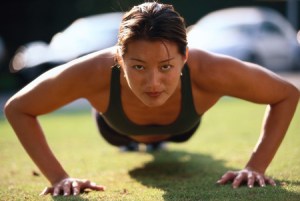
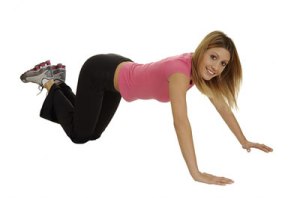
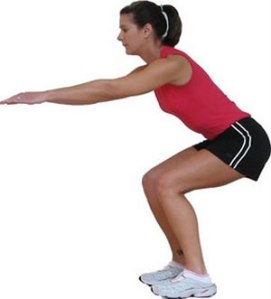
Some say the total amount of physical activity, not its intensity, is what matters. They recommended that adults get 30 minutes of moderate-intensity activity every day of the week if possible. Those 30 minutes needn’t all come at the same time, however—climbing stairs at work plus a walk before dinner and mopping the floor would fill the bill.

It was seen that those men who burned at least 1,500 calories a week exercising (the equivalent of running for three hours) were 25 percent less likely to have died during the 20-year follow-up period than their more sedentary friends.

Exercise is good for us for a variety of reasons. It lowers blood pressure and cholesterol levels. It helps muscle cells efficiently process sugar and can thus prevent adult-onset diabetes. It slows or halts osteoporosis. It strengthens the heart and improves lung function. It may also lengthen life.

But exercise isn’t a one-kind-cures-all proposition. Just as you get different nutrients from different foods, you get different benefits from different types of exercise.
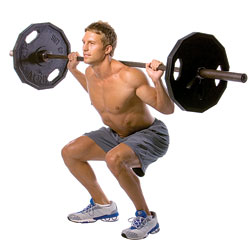
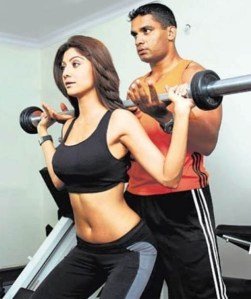
Weight training conditions muscles and possibly prevents back trouble or the falls that plague so many older people.
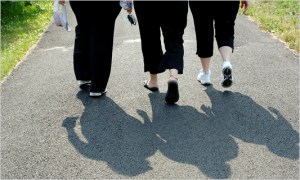
  Moderate activity like walking around the block or cleaning the house can lower blood pressure.
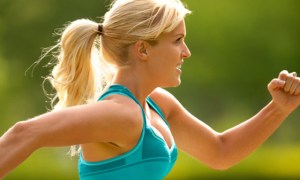
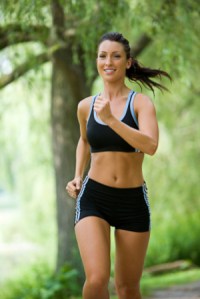
  Jogging, swimming, tennis, and other more vigorous activities make the heart and lungs work more efficiently.

If you are sedentary, begin doing low levels of exercise such as gardening or walking—this is far, far better than doing nothing. If you are already doing that, try walking briskly a few times each week. If you already walk, consider running. If you run 10 miles a week, try running 15.

In the United States today, about 50 percent of all adult deaths can be attributed to coronary heart disease. A sedentary lifestyle doubles your chances of developing this disease. By comparison, smoking increases the risk 2.5 times, and untreated high blood pressure 2.1 times. A number of studies show that when someone who is sedentary (i.e., a couch potato) increases his or her daily activity level, the risk of heart disease decreases. Unfortunately, 22 percent of U.S. adults are completely sedentary, 54 percent get some exercise, and only 24 percent actually get the recommended level of physical activity each week.

There is now good evidence of many physical and psychological benefits available to the population from regular exercise which should be recognised by all those involved in health care.

Exercise ~ Some Facts
Target Heart Rate
Target Heart Rate

Target Heart Rate

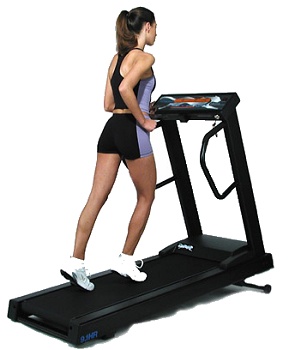
The target heart rate is the heartbeat rate a person should have during aerobic exercise (such as running, fast walking, cycling, or cross-country skiing) to get the full benefit of the exercise for cardiovascular conditioning.

To calculate the target heart rate, one common way of doing this is by using the American College of Sports Medicine Method.

To obtain cardiovascular fitness benefits from aerobic exercise, it is recommended that an individual participate in an aerobic activity at least 3-5 times a week for 20-30 minutes per session, although cardiac patients and very sedentary individuals can obtain benefits with shorter periods (15-20 minutes).

The American College of Sports Medicine Method

Using the American College of Sports Medicine Method to calculate one’s target heart rate, an individual should subtract his or her age from 220, then multiply by the desired intensity level of the workout. Then divide the answer by 6 for a 10-second pulse count. (The 10-second pulse count is useful for checking whether the target heart rate is being achieved during the workout. One can easily check one’s pulse—at the wrist or side of the neck—counting the number of beats in 10 seconds.)

For example, a 20-year-old wishing to exercise at 70% intensity, would employ the following steps:
Maximum Heart Rate – 220 – 20 = 200

Target Heart Rate – 200 ´ 0.70 =140

10-second Pulse Count – 140 ¸ 6 =23

To work at the desired level of intensity, this 20-year-old would strive for a target heart rate of 140 beats per minute, or a 10-second pulse count of 23. 

Exercise ~ Some Facts

Some Facts on Exercise

What is Fitness ?

Fitness means the ability of the body to tolerate stress in all its forms – Like – A hard day in office. Fighting an infection with a germ invading the body. A skid on the road. Each and every stress to the body, be it small or big needs expenditure of energy and involvement of all the body’s defences. More oxygen has to be delivered at the muscles; more waste products have to be carried away. All these place extra demand on the circulatory system and strain the capacity of heart. How our body faces any stressful condition depends on our baseline of Fitness. For some of us, even leisure can be stressful. Exercise helps us in keeping fit. It helps in toning up the body for many eventualities.
Many people believe that if you exercise a particular area of the body, the fatty tissue in the immediate area is burned up. No it is wrong. If you bend the waist often enough you’ll NOT trim down your mid section. The exercise we do burn up fat from all over the body and not from a specific area. Thus it is impossible to reduce the amount of fat from a particular area without affecting the amount in other parts of the body. Thus, when we manage to reduce fat with the help of exercise and diet it has a general effect including the waistline.


It has been shown that unexercised muscles deteriorate at a phenomenal rate. For the first three days that a person is immobile, he losses about one fifth of his maximal muscle strength. Immobility also affects other systems of the body like circulatory system, nervous system, digestive system, respiratory system.

While daily exercise is desirable it is believed that at least Three non consecutive days in a week is must to maintain adequate levels of physical fitness.
If you cover one mile by walking or by jogging, you spend same amount of energy in both cases. Because in both cases you are moving the same weight the same distance. The speed does not matter. Of course, if you jog rather than walk for 30 minutes, you’ll cover more distance and consequently burn more calories.
The best exercise should be moderate, enjoyable and refreshing and not too strenuous and unpleasant.
Walking is one of the best exercises.
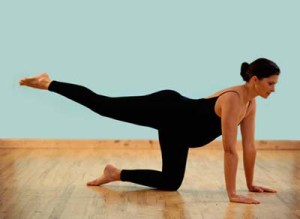
Vigorous stretching exercises DO NOT keep the muscles flexible. Stretching exercises should be done slowly and deliberately allowing the muscles to relax. When doing stretching exercises like bending or twisting at the waist and touching toes, it is advisable to move slowly and when the first sign of tension occurs, hold that position for several seconds, then relax. Repeat the exercise for several times.
The minimum amount of time one should spend exercising in a day is 20 minutes.
Brisk walking has tremendous benefits. It also affects the human capillary systems. There are approximately 60,000 miles of blood vessels in the body. These are mostly minute vessels responsible for the irrigation of the flesh. When the muscle is at rest only few capillaries would open and perhaps 50 times as many will open while the muscle is being exercised. A regular daily striding will not only open up more capillaries but would also help in the formation of new vessels to nourish the muscles. Exercise not only stimulates development of blood vessels in the skeletal muscles tissue, it also does the same with the heart. Thus a fit person is better prepared to survive the occlusion of a vessel. It has been shown that exercise even helps in the formation of new vessels even after an occlusion has occurs.
Striding has beneficial effect on the mind. It is said to clear the mind and improve thought process. A brisk long walk in the evening has some tranquillizing effects. They say regular brisk walking benefits anxiety and depression.
Rope jumping is another very effective exercise. It is effective convenient and most inexpensive exercise. Rope jumping is most effective in trimming legs, thighs, and hips. It also exercises the upper body more than what jogging does. It gives you sturdier feet and ankles and stronger wrists. It improves balance and coordination. Approximately, 10 minutes a day rope skipping may be equal to 30 minutes a day of jogging in terms of cardiovascular benefits. It has been seen that simple rope skipping produces the greatest fitness in the shortest time.
Physical fitness is linked inseparably to personal effectiveness in every field. With a regular program of exercise a person canimprove his efficiency. Sedentary persons have improved their physical work capacity by as much as 25 percent in a month or so.
A person who does regular exercise becomes trimmer, lighter of foot and brighter of spirit.
Those who do regular exercise have more vigour more strength, they get less fatigue and less frustration and their bodies are less susceptible to organic consequence of stress such as peptic ulcer, skin ailments and heart diseases etc etc.

Exercise Physiology

Two kinds of exercise are recognized : isotonic and isometric.

Isotonic exercise involves moving a muscle through a long distance against low resistance, as in running, swimming, or gymnastics.

In isometric exercise, on the other hand, muscles are moved through a short distance against a high resistance, as in pushing or pulling an immovable object.

Isometric exercise is best for developing large muscles, whereas isotonic exercise has beneficial effects on the cardiovascular system. It increases the amount of blood that the heart can pump and causes proliferation of small blood vessels that carry oxygen to the muscles. These changes make possible longer sustained activity. Neither kind of exercise increases the number of muscle fibers, but both types—and especially isometric exercise—increase the thickness of the muscle fibers and their ability to store glycogen, the fuel for muscular activity.

Target Heart Rate
Exercise


Food that help reduce Fat

Food that help reduce Fat

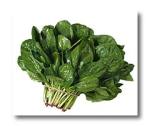
  SPINACH – Spinach and lettuce add bulk and they fill in your stomach and thus you have less apace for pasties and ice creams. These also have lots of iron, folate calcium and vitamin A,B,C and E. Women who take folate rich diet reduce the risk of producing babies with cleft lip or palate.
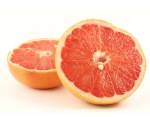
  GRAPEFRUIT – They have high fibre content. Grapefruit has less calories as compared to orange. The phytochemicals and the soluble fibre help in reducing cholesterol.
  APPLES – too give filling effect. Eating several apples a day may benefit you by taking you away from other food stuff. Flavinoids in fruits and vegetables have their benefits like those on high fruit and vegetable diet have less chance of getting a stroke.
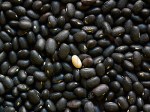
  BLACK BEANS – chickpeas and lentils are high in soluble fibre and low in fat. Regular intake of black beans lower the risk of colon cancer.
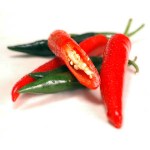
  CHILLIES – Capsaicin found in chillies boost metabolism increasing the energy the body burns during digestion.
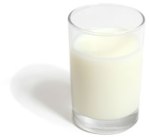
  LOW FAT MILK – Calcium rich foods do seem to boost metabolism. Women and girls who consume dairy products regularly have lower weight and less body fat than those who don’t. Plenty of calcium rich dairy food slash risk of ovarian cancer.
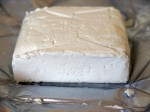
  COTTAGE CHEESE – has much less fat as compared to cheddar cheese and it is also a very good source of protein. It also has calcium & vitamin B-12.
  STRAWBERRIES – Strawberries, peaches, plums and grapes come with cancer fighting carotenoids and appetite suppressing fibre.
 Phytochemicals

Green Tea

Green Tea

What is Green Tea and how is it made ?

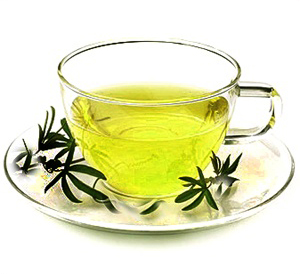
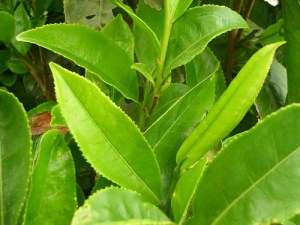
The tea is a product of a plant known as C. sinensisa native of Southeast Asia. The tea brewed from the dried leaves of this plant has been drunk in China since perhaps the 28th century BC. It was first brought to Europe by the Dutch in the early 17th century AD.
Leaf buds and young leaves are used in making tea, the age of the leaves determining the taste and name of the particular commercial variety. After picking, the leaves either are dried immediately and completely to produce green teas, or are partially dried and then allowed to ferment to produce various kinds of black teas. After being sorted, all grades of tea are packed in foil-lined chests to prevent the absorption of unpleasant odors or the loss of aroma during shipment. In China, tea is sometimes allowed to absorb the scent from various flowers particularly Jasmine.

Tea is an aromatic stimulant, containing various polyphenols, essential oils, and caffeine. The concentration of caffeine in tea ranges from 2.5 to 4.5 percent, in contrast to an average concentration of about 1.5 percent in coffee.

Green Tea, is abundantly grown in the foothills of the mighty Himalayas. This belt grows the best teas in the world.
Scientists from Japan Cancer Institute have been successful in identifying a substance in Green Tea called Catechins or Polyphenols, which act as strong antioxidants. They are in a position to clinically establish the old adage that “tea is a miraculous medicine for the mantainance of health”. Catechins remain unchanged in Green Tea as leaves are merely steamed, rolled and dried as opposed to black tea which is fermented.

A study of over 3,400 adults in Saudi Arabia–a country of tea-lovers–found that those who drank more than 6 cups per day of the brown beverage had a more than 50% lower risk of coronary heart disease compared to tea abstainers, even after adjusting for other factors such as smoking, diet and obesity.

Green Tea and Cancer

A new study by a team of Swedish researchers adds support to the growing body of evidence that green tea contains
compounds that fight cancer.  Green tea contains a compound called 
epigallocatechin-3-gallate (EGCG), which helps inhibit blood vessel growth. This could be useful in preventing tumors from forming new blood vessels, which they need to survive. In a study on mice, the researchers also found animals fed on green tea showed a 55-percent to 70-percent reduction in blood vessel development in the cornea of the eye, a finding that could prove helpful to diabetics suffering from  retinopathy.
Other studies have shown EGCG blocked an enzyme needed for cancer cell growth and kept cells from becoming cancerous without harming surrounding healthy cells. The researchers point out heavy consumption of green tea may not be beneficial for women who are pregnant or for people recovering from wounds, conditions that both require blood vessel development. 

Green Tea Battles Arthritis

 Antioxidants found in green tea may reduce the severity and even prevent symptoms of rheumatoid arthritis, a new study suggests. The antioxidants, called polyphenols, appear to possess more antioxidant potency than some vitamins. Researchers also point out there is anecdotal evidence suggesting that people living in India, China and Japan —where green tea consumption is high — have lower rates of rheumatoid arthritis.

Green tea polyphenols applied to human skin prevent ultraviolet light-induced damage, according to a study.

Tea and its benefits

Continue reading