Unknown's avatar

About Manbir & Gurpreet

Gurpreet Kaur’s journey in this world .... Gurpreet Kaur was a Musician. She was a singer and a composer of music. Her interest was composing and singing Gurbani Shabads in Indian Classical style. She sang Shabads in All the Raags mentioned in Sri Guru Granth Sahib Ji. She also taught Gurmat Sangeet at Gurmat Gian Missionary College, Jawadi, Ludhiana. Elder child to Pushpinder Kaur and Dr. Brig. Harminder Singh, was born in Amritsar on 13th Jan 1962. She attended various convent schools as a child because her father would get frequent Army postings as a dental surgeon. She graduated with Music Honors from Govt. College for Women, Chandigarh. Music was her hobby and she composed and sang Raag based Gurbani Shabads. Doing Kirtan was part of growing up nurtured by her parents. She learned music from her father Dr. Brigadier Harminder Singh who was a dental surgeon in Indian Army and a very good singer himself. Gurpreet’s Bhua (father’s sister), Ajit Kaur retied as a Head of Department of Music from Govt. College for Women Ludhiana, and was a renounced Punjabi singer of her time. Gurpreet Kaur also learned nuances of Indian Classical Music from Pandita Sharma. She was a mother of three children, and a grandmother. Her daughter Keerat Kaur is a Computer Engineer. Her two sons Gurkeerat Singh and Jaskeerat Singh are doctors in USA. Her daughter Keerat Kaur too was part of her group ~ Gurmat Gian Group. Gurpreet Kaur left this world at the age of 54yrs on 12th Sept 2016 in Baltimore USA. She had recorded around 25 cds of Gurbani Keertan. 'Raag Ratan' Album (6 CDs) is a Compilation of Shabads in All the 31 Sudh Raags of Sri Guru Granth Sahib Ji. 'Gauri Sagar' Album (3 CDs) is a Compilation of All forms of Raag Gauri in Sri Guru Granth Sahib Ji. 'Nanak Ki Malhaar' ~ ((3 CDs) is an album of Raag Malhar Shabads in various forms of Malhar. 'Gur Parsaad Basant Bana' ~ (3 CDs) is an album of Shabads in Raag Basant sung in various forms of Raag Basant. Har Ki Vadeyai Sarni Aayea Sewa Priya Kee Preet Piyaree Mohan Ghar Aavho Karo Jodariya Mo Kao Taar Le Raama Taar Le Tere Kavan Kavan Gun Keh Keh Gawan Mera Baid Guru Govinda Saajanrraa Mera Saajanrraa

Amla

Amla

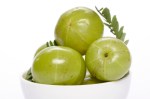
Amla, Phyllanthus emblica; family – Euphorbiaceae, is a household name in India.

It is known to impart good health. It is highly reputed for its rejuvenative properties. Amla is consumed as a coolant in summers in the form of ‘murabbas’ or refreshing drinks and during winters as pickles.
Amla imparts youthful vigour, strength, promotes health and longevity.

This fruit is highly prized both for its high vitamin C content and for the precious oil which is extracted from its seeds and pulp and used as a treatment for hair and scalp problems. It is the world’s richest source of vitamin C. Amla fruit is also known as “Indian Gooseberry“.

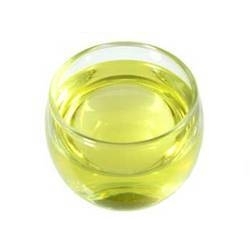
Amla oil is prepared from dried amla berries which have been soaked in coconut oil for several days in order to extract the oil soluble vitamins from the fruit. The filtered and purified oil is commonly called “amla oil”. This oil has a long history of use as an aid for improving the health of hair and scalp. In fact, it is one of the world’s oldest, natural hair conditioners.

Amla forms the major ingredient of popular indian remedies like ‘Chyavanprash’ and ‘Trifla’.

Active Principles – Tannins such as emblicanin A and B, punigluconin, quercetin (flavonoid) and Vitamin C.

Antioxidant Activity – In the present day scenario of high pollution and stress. Amla can be helpful by countering the free radical induced changes.

Cytoprotective Activity

Hepatoprotective Activity – Protection of liver against liver toxicants like country made liquor and paracetamol was observed with 50 % ethanolic extract of Amla.

Hypolipaedemic Activity – Lipid lowering effect of Amla has been shown in rabbits.

Clinical studies conducted on patients with allergic and respiratory infections showed that Chyavanparash ( which contains high content of Amla ) caused decrease in the IgE levels. This was shown more pronounced in the allergic groups. Hence, Chyavanprash helps in controlling allergic respiratory problems.

Effects of Amla on Smokers showed that it helped in improving the quality of life and general well being.

Vitamin C

Natural sources of Antioxidant Vitamins and Minerals 
Almonds

Almonds

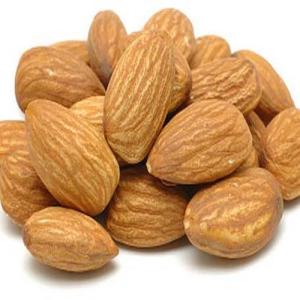
Almonds contain unsaturated fatty acids, proteins, fibre, zinc, phosphorus, magnesium and phytochemicals. It is also a good source of vitamin E. Almond oil is used extensively by the cosmetic industry.

 Vitamin E acts like antioxidant and thus reduces coronary risk.
 They have cholesterol lowering effect.
 Its proteins are highly digestible.
 Being rich in vitamin E it nourishes skin and hair.
 Regular intake of almonds act as a tonic for brain, ear, hair and skin.
 Its also good for diabetics because of its low carbohydrate and high protein content.

Proteins & Fats content of Nuts

Proteins

Fats

Almonds

20.60 %

53.90 %

Cashew nut

21.30 %

46.90 %

Walnut

15.60 %

64.50 %

Almond oil is used for skin massage. It can be used for falling hair. To improve complexion equal amount of honey and almond oil can be applied on the face.


Most cancers can be prevented

Quote

Most cancers can be prevented

  • Research has shown that most cancers can be prevented. Scientists now estimate that 60% to 70% of cancers are preventable through currently available information and simple changes in diet and lifestyle. Eating healthier, staying active, watching our weight and not smoking are relatively simple actions that produce significant reductions in cancer risk.


Cholesterol Lowering Foods

Cholesterol Lowering Foods

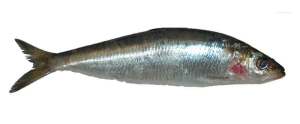
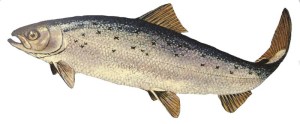
It is claimed that dozens of foods have a cholesterol lowering effect. But there is nothing like a magic food. Most of them need to be eaten in multiple servings to be of any effect. Seafood: Though some studies found that fatty fish, like salmon and sardines, lower total and blood vessel-damaging LDL cholesterol levels (often called the “bad” cholesterol), this has been disputed by others. Still, eating fish a couple times a week is a better choice than a saturated-fat-rich piece of steak.


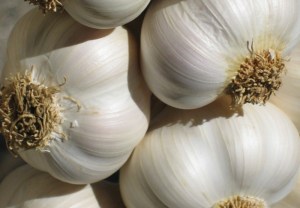
Garlic:  Garlic which had a reputation of being a cholesterol lowering effect has got a lot of bad press when two well-designed studies found that ingesting the equivalent of one to one and a half cloves a day, taken as supplements, didn’t make a dent in total or LDL cholesterol, nor did it affect cholesterol metabolism. While some experts still claim that whole garlic cloves may reduce cholesterol levels, critics like Dr. Tu Nguyen, assistant professor of medicine at the Mayo Medical School, are unequivocal. “Garlic’s been well studied,” Dr. Nguyen says, “and it doesn’t lower cholesterol.”
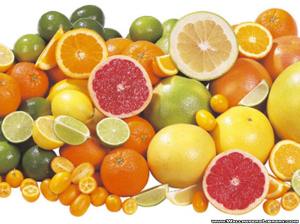
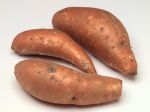
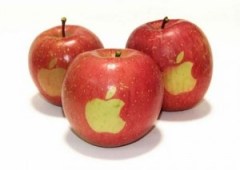
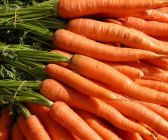
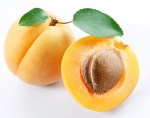
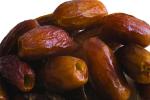
Fruits and Vegetables:  Certain fruits and vegetables are particularly rich in pectin, a soluble fiber that may help lower total and LDL cholesterol. It does its job by trapping cholesterol-containing bile acids in the intestine and ushering them out of the body. The problem is you need to eat a lot — the equivalent of six large apples a day — to get maximum benefit. Nonetheless, Pat Streicher, dietitian manager at the Jewish Hospital Cholesterol Center in Cincinnati, suggests getting three to four servings a day of water-soluble fiber foods, such as citrus fruits (especially the inner white rind), apples, berries, carrots, apricots, dates, figs, prunes, cabbage, Brussels sprouts and sweet potatoes.

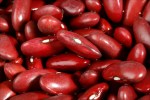
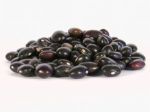
Beans:  Lima, kidney, black beans and other legumes are loaded with soluble fiber that can help curb cholesterol levels. Studies have found that eating 1½ cups of cooked beans a day can cause significant dips in total and LDL cholesterol levels. “Beans figure prominently in lowering cholesterol,” says Cyndi Reeser, lead nutritionist at George Washington University Lipid Research Center. “I highly recommend them several times a week, if not daily.”


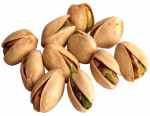
Nuts:  Nuts are loaded with fat and calories. Yet, in several studies, eating 2 to 4 ounces a day significantly reduced total and LDL cholesterol levels. Scientists speculate these benefits may come from poly- and monounsaturated fats, which can lower cholesterol when substituted for saturated fat, and several phytochemicals, like plant sterols, that can inhibit cholesterol absorption. Almond, walnuts and pistachios are said to benefit in lowering cholesterol.

     
Good Cholesterol
Low Fat, Low Cholesterol Food

Mushroom – a health tonic

Mushroom – a health tonic

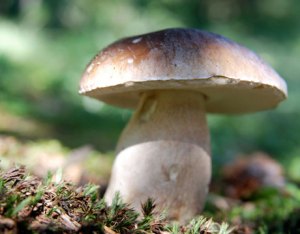
Protein content of mushroom is very close to milk, soyabean and animal food. They contain all essential amino acids. Some of the mushrooms are rich in lysine and tryhptophan. They are rich in vitamins and minerals.
Mushrooms are rich in folic acid, vitamin B12 and iron. One third of iron found in mushrooms is present in available form. Thus they are good for anaemic patients.
They are low in sugar content and thus are good for diabetics.
Being low in carbohydrate and fat and high in protein and vitamins, mushrooms form ideal item for those who want to loose weight.
Mushroom proteins are digested easily and thus are good for children and elderly.
They also contain Vitamin C and D and minerals like calcium, phosphorus, potassium, copper and iron. These are good for bone formation.
Some mushroom extracts have shown cholesterol lowering effects.

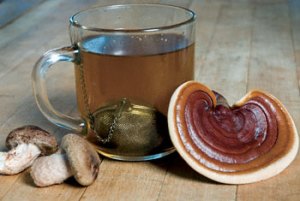
Mushroom or Manchurian tea is considered a very healthy drink. This is made from a type of mushroom which originated in the Russian region of Kargasok, where most of the people lived well over hundred years. It is also claimed that this tea lowers high blood pressure, prevents premature wrinkling of skin.
Mushroom extracts induce interferom formation which plays a crucial role in the defense mechanism against viral infection. Mushroom extract also has high amount of retene that has an antagonistic effect on some tumors.

Mushrooms have been used in traditional herbal medicines in China and Japan for thousands of years, and Asian mushrooms are commonly used for pain relief and in treating diseases like arthritis.

Mushrooms play a vital part in nature’s eco-system.

They break down dead animals and plants into food needed by other animals and living plants.

More than 1,000 species of insects and animals rely on mushrooms for food and shelter.

Tea and its benefits