Unknown's avatar

About Manbir & Gurpreet

Gurpreet Kaur’s journey in this world .... Gurpreet Kaur was a Musician. She was a singer and a composer of music. Her interest was composing and singing Gurbani Shabads in Indian Classical style. She sang Shabads in All the Raags mentioned in Sri Guru Granth Sahib Ji. She also taught Gurmat Sangeet at Gurmat Gian Missionary College, Jawadi, Ludhiana. Elder child to Pushpinder Kaur and Dr. Brig. Harminder Singh, was born in Amritsar on 13th Jan 1962. She attended various convent schools as a child because her father would get frequent Army postings as a dental surgeon. She graduated with Music Honors from Govt. College for Women, Chandigarh. Music was her hobby and she composed and sang Raag based Gurbani Shabads. Doing Kirtan was part of growing up nurtured by her parents. She learned music from her father Dr. Brigadier Harminder Singh who was a dental surgeon in Indian Army and a very good singer himself. Gurpreet’s Bhua (father’s sister), Ajit Kaur retied as a Head of Department of Music from Govt. College for Women Ludhiana, and was a renounced Punjabi singer of her time. Gurpreet Kaur also learned nuances of Indian Classical Music from Pandita Sharma. She was a mother of three children, and a grandmother. Her daughter Keerat Kaur is a Computer Engineer. Her two sons Gurkeerat Singh and Jaskeerat Singh are doctors in USA. Her daughter Keerat Kaur too was part of her group ~ Gurmat Gian Group. Gurpreet Kaur left this world at the age of 54yrs on 12th Sept 2016 in Baltimore USA. She had recorded around 25 cds of Gurbani Keertan. 'Raag Ratan' Album (6 CDs) is a Compilation of Shabads in All the 31 Sudh Raags of Sri Guru Granth Sahib Ji. 'Gauri Sagar' Album (3 CDs) is a Compilation of All forms of Raag Gauri in Sri Guru Granth Sahib Ji. 'Nanak Ki Malhaar' ~ ((3 CDs) is an album of Raag Malhar Shabads in various forms of Malhar. 'Gur Parsaad Basant Bana' ~ (3 CDs) is an album of Shabads in Raag Basant sung in various forms of Raag Basant. Har Ki Vadeyai Sarni Aayea Sewa Priya Kee Preet Piyaree Mohan Ghar Aavho Karo Jodariya Mo Kao Taar Le Raama Taar Le Tere Kavan Kavan Gun Keh Keh Gawan Mera Baid Guru Govinda Saajanrraa Mera Saajanrraa

Cancer Fighting Food

Cancer Fighting Food

Fruits and vegetables are rich in cancer-fighting nutrients. Colourful vegetables and fruits are more attractive to eat and they are more beneficial health wise.

More the colour, the more nutrients they contain.

 
  • Balanced Food: Meals should have a balance content – at least 2/3 plant-based foods – Not more than 1/3 animal protein.
 
  • Folate is an important B vitamin that may help protect against cancers esp. of colon, rectum and breast. Breakfast cereals and whole wheat products are good sources of folate. So are orange juice, melons, and strawberries. We can have these breakfast time. Folate are also available in asparagus, eggs, chicken liver, beans, sunflower seeds, and leafy green vegetables like spinach and lettuce.
 
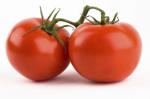
  • Tomatoes are great too. Studies have shown eating tomatoes reduced risk of several types of cancer, including prostate cancer. Lycopene, is said to add years to your life !
 
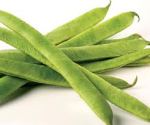
  • Beans are too good. it’s not a surprise that they may help fight cancer too. They contain several potent phytochemicals that may protect the body’s cells against damage that can lead to cancer.
 
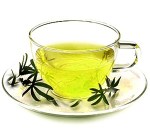
  • Tea, especially green tea, may be a strong cancer fighter. Green tea has slowed or prevented the development of cancer in colon, liver, breast, and prostate cells. It also had a similar effect in lung tissue and skin.
 
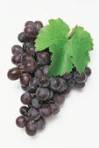
  • Grapes and grape juice, especially purple and red grapes, contain resveratrol. Resveratrol has strong antioxidant and anti-inflammatory properties. In laboratory studies, it has prevented the kind of damage that can trigger the cancer process in cells.
 
  • Alcohol: Cancers of the mouth, throat, larynx, esophagus, liver, and breast are all linked with drinking alcohol. So limit your alcohol intake to minimum or better still to nil.
 
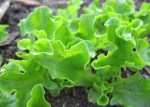
  • Cabbage family include broccoli, cauliflower, cabbage, Brussels sprouts, and kale make excellent food item. Most importantly, these vegetables may help your body defend against cancers such as colon, breast, lung, and cervix. Dark green leafy vegetables such as mustard greens, lettuce, kale and spinach  have an abundance of fiber, folate, and carotenoids.
 
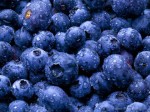
  • Blueberries: The potent antioxidents in blueberries may have wide value in supporting our health, starting with cancer. Antioxidants fight cancer by ridding the body of free radicals before they can do their damage to cells.
 
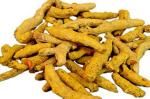
  • Turmeric: Curcumin is the main ingredient in the Indian spice turmeric and a potential cancer fighter. Lab studies show it can suppress the transformation, proliferation, and invasion of cancerous cells for a wide array of cancers.
 
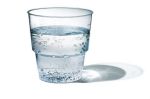
  • Water not only quenches your thirst, but it may protect you against bladder cancer. The lower risk comes from water diluting concentrations of potential cancer-causing agents in the bladder. Also, drinking more fluids causes you to urinate more frequently. That lessens the amount of time those agents stay in contact with the bladder lining.
 
  • Cooking Methods: Frying, grilling, and broiling meats at very high temperatures causes chemicals to form that may increase cancer risk. Other cooking methods such as stewing, or steaming appear to produce fewer of those chemicals.
 
  • Vitamins may help protect against cancer. But that’s when you get them naturally from food.
Phytochemicals
Nutrition 
 

Genetic counselling

Genetic counselling

The cells in our body, throughout their lives, duplicate themselves to create new tissue. The 23 pairs of chromosomes in a cell also double to 46. But sometimes the pattern of duplication is disturbed. Instead of merely duplicating a chromosome may triplicate or even break, causing various birth defects. These disorders can be passed to future generations.

Genetic counselling is a way to screening high risk populations for various diseases like families prone to cancers, thalassaemia and many genetically transferable diseases The geneticists assess the potential risk of passing on the disorder to future generations. This helps the parents to be to take informed decision about terminating a pregnancy and avoiding the trauma of having a disabled child.

Many couples are faced with difficult situations regarding the possibility of a new born being a physically disabled child or the child may be suffering from a very troublesome illness like Thalassaemia. Some couples have a child in their family already suffering from thalassaemia and the prospects of having another child with same illness are devastating. A thalassaemic child may have to undergo repeated blood transfusions. Some may need it fortnightly.

Genetics has come a long way to solve many of such problems. Tests can be conducted to find out if the unborn child carries a thalassaemia gene. Procedures have been developed by which artificially fertilised healthy embryo can be implanted in the uterus of elderly women anxious to have a healthy child. There are also methods by which genetic mapping can be done of a person to find out if he or she is carrying any faulty chromosome.
Some of the methods employed are

Polymerase Chain Reaction (PCR): Is a procedure that can reveal whether an unborn child carries a thalassaemia gene. This procedure is done mainly to detect minute abnormalities of the genes that cause diseases like thalassaemia, cystic fibrosis, haemophilia and muscular dystrophy.

Pre-implantation Genetic diagnosis (PGD): This procedure can create and select an artificially fertilised healthy embryo and implant it in the uterus, and thus ensuring that the high risk couple has a normal baby.

Karyotyping : is done to map the genetic makeup of a person to detect any faulty sex chromosome. Karyotyping is very helpful in showing up chromosomal abnormalities that cause severe physical disabilities like Tisomys – Trisomy 21 causes Down’s Syndrome, Trisomy 18 causes limb deformities and microcephaly, Trisomy 13 gives a cleft palate.

Genetic disorders

Gums Diseases

 Gums Diseases

Health of gums is a very important aspect of general health. Diseases of gums do have profound effect on the general health of an individual.

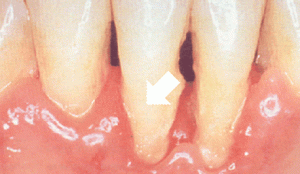
Periodontal disease is better known as gum disease. In the next millennium periodontal disease is going to be the most common dental problem. 90 % of the adults above 40 are affected by one or the other form of periodontal disease.
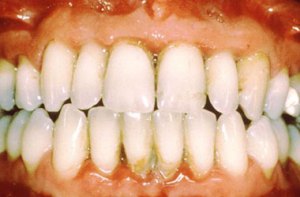
Periodontal disease affects the gums and other supporting structures of the teeth.
Gingivitis, the early stage of gum disease, starts with plaque which is a soft, sticky and colourless film of bacteria that forms on the teeth. If not removed from time to time the bacterial plaque can release toxins and enzyme that irritate and inflame the gum tissues. Gums then become swollen, red, sensitive and can bleed painfully.
In its more advanced stage the disease affects the bone and other supportive structures and is known as Periodontitis. This happens when the plaque responsible for the gingivitis is not removed and hardens around the gums line and forms Tartar. The Tartar causes inflammation which causes space between the gum and the teeth. It starts eating out the underlying bone and ultimately the tooth loosens its hold and fall out itself.
Red, swollen tender gums which bleed on brushing indicate Gingivitis.

  • Smokers are 3.3 times more likely to suffer advanced Periodontitis than the non-smokers.
  • Pregnant females with periodontal diseases are more likely to deliver premature low birth weight infants than those without it.
  • Many recent studies have suggested connection between periodontal diseases and cardiovascular diseases.

Signs of Periodontitis:

  • Pus between gums and teeth.
  • Loose teeth.
  • Bad breath.

For healthy gums:

  • Brush twice a day.
  • Floss after meals.
  • Gargle with mouthwashes containing chlorhexidine.

Researchers are developing a genetically-altered bacteria to squirt in people’s mouths to combat tooth decay !!

MSM

MSM ~ Methyl Sulphonyl Methane

MSM, Methyl Sulphonyl Methane is a naturally occurring sulfur compound. It is a natural source of sulphur. Sulphur exists in every cell of our body and is found in animal protein food such as fish, meat, and milk and also in fruit and vegetables.

Sulphur is an element found in all living organisms and the fourth largest mineral found in the human body. It is found in every cell of our body. Approx. half of the total body sulphur is concentrated in the muscles, bones and skin.  Sulphur is a component of protein Keratin found in nails, hair and skin. Sulphur is essential for the production of collagen which is a primary constituent of cartilage and connective tissue. It is needed for the synthesis of connective tissue, enzymes and immunoglobulin. It is also needed to form serum proteins. It is important for the sulphur amino acids like methionine, cysteine and taurine.

Sulphur has a role in liver to secrete bile. It acts as a scavenger and takes out free radicals.

Sulphur is a significant component of Insulin, the protein hormone secreted by the pancreas, that is essential to the metabolism of carbohydrates.

Health conditions that may benefit from MSM 

Many health related conditions are said to respond to MSM but no proved claim for cure has been made yet. Some of the conditions where MSM may be of use are as under:

  • Arthritis – Osteoarthritis – Rheumatoid Arthritis
  • Acne
  • Allergies – Asthma – Bronchitis
  • Constipation – Hyperacidity
  • Breast cancer & Colon cancer
  • Scar tissue restorative
  • Skin, Hair and nail health
  • Snoring
  • Systemic Lupus Erythematosus
  • High Cholesterol
  • Diabetes
  • Muscle pains

Glucosamine in combination with MSM is shown to have beneficial effect in the treatment of osteoarthritis. 

Glucosamine

Glucosamine

Glucosamine

Glucosamine is a substance that is needed for the making of the cartilage in our body. It is manufactured in our body from glucose and an amine. Its main role in the body is in the joints where it stimulates manufacture of glycosaminoglycan which is a main structural component of cartilage.

It is understood that as some people age they lose the ability to manufacture sufficient amount of glucosamine. The result is that synthesis of glycosaminoglycan does not keep up with the degradation process in the cartilages of the joints. The inability to manufacture glucosamine in adequate rate has been suggested to be the major factor leading to osteoarthritis.

Sources of Glucosamine: There are no food sources of glucosamine and the commercially available glucosamine is derived from chitin – the exoskeleton of shrimp, lobsters and crabs.

It is thought that a deficiency of glucosamine is a major factor in the development of osteoarthritis. The weight bearing joints like knees and hips and the joints of hands are the ones most affected by the osteoarthritis. In the affected joints there is substantial cartilage destruction followed by hardening and formation of large bone spurs in the joint margins.

All this results to pain, deformity and limitation of joint motion. The onset of osteoarthritis is very subtle. Morning joint stiffness is often the first symptom. As the disease progresses, there is pain on motion of the involved joint that is made worse by prolonged activity and relieved by rest.

Glucosamine is available commercially in three forms – glucosamine sulphate, glucosamine hydrochloride and N-acetyle-glucosamine. The sulphate form has been subjected to more than 300 scientific investigations. Glucosamine sulphate has also been used by millions of people worldwide and is registered as an aid in osteoarthritis in over 70 countries.

In various studies it has been shown that glucosamine sulphate produces much better results compared with other anti inflammatory medicines in the treatment of Osteoarthritis.

Side effects: Glucosamine has shown to have very few side effects. These include gastro intestinal symptoms like stomach upset, heartburn, diarrhoea, nausea and indigestion. If the symptoms occur it should be take with meals.

Glucosamine in combination with MSM (Methyl Sulphonyl Methane) is shown to have beneficial effect in the treatment of osteoarthritis.

MSM