| Calcium in Food |
| When considering food items rich in Calcium content it is important to select foods that contain easily absorbable calcium. The more easily calcium is absorbed; the more available it is to be used by the body. It is well accepted that dairy products such as milk, cheese and yogurt are the best sources of calcium because they contain high amounts of calcium, and the calcium is well absorbed by the body. |
 |
| Skim milk products provide as much calcium as whole milk with the added advantages of less fat and cholesterol. |
 |
| Dairy products such as milk,cheese and yogurt are the best sources of calcium because they contain high amounts of calcium, and the calcium is well absorbed by the body. |
 |
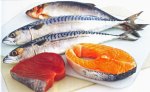
| Bones in fish especially those of salmon and sardines, too contain useful calcium. |
 |
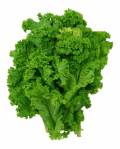
| Vegetables such as broccoli, collards, kale, mustard greens, turnip greens, and bok choy, also contain calcium that is easily absorbed. These vegetables, however, contain smaller quantities of calcium per serving than dairy foods. |
 |
| It is possible for foods to contain calcium and for that calcium to have limited availability to the body. The reason is that these foods contain calcium-binding substances called oxalates (found in many green vegetables) or phytates (found in unleavened grain products). Of these two substances, oxalates are considered more potent in their ability to restrict calcium absorption |
 |
| While spinach contains calcium, it also contains oxalates, as do beet greens, chard, and rhubarb, that bind with calcium and interfere with its absorption. Even though the substances contained in these foods inhibit calcium absorption, experts agree that the benefits you derive from the other important nutrients contained in this group of foods far outweigh the negative effects of their tendency to block calcium absorption.Calcium loss through the urine is increased by excess consumption of salt, caffeine and protein. |
 |
| Vitamin D for Calcium Absorption
Vitamin D is crucial to calcium absorption. In fact, it increases calcium absorption by as much as 30% to 80%. Adults should get 400 IUs of vitamin D per day (older adults should receive between 400 and 800).The easiest and most natural way to get Vitamin D is from exposure to sunlight, which causes the body to manufacture its own. Just 15 minutes a day of summer sun exposure, even if only on the arms, face and hands will greatly enhance Vitamin D production. absorption by as much as 30% to 80%. Adults should get 400 IUs of vitamin D per day (older adults should receive between 400 and 800).The easiest and most natural way to get Vitamin D is from exposure to sunlight, which causes the body to manufacture its own. Just 15 minutes a day of summer sun exposure, even if only on the arms, face and hands will greatly enhance Vitamin D production. Although there are few food sources of Vitamin D, milk does contain significant amounts. (Fortified with Vitamin D, it contains 100 IUs per 250 ml glass). Foods such as margarine, eggs, chicken livers, salmon, sardines, herring, mackerel,swordfish, and fish oils (halibut and cod liver oils) all contain small amounts.Minerals and Bone Health Although there are few food sources of Vitamin D, milk does contain significant amounts. (Fortified with Vitamin D, it contains 100 IUs per 250 ml glass). Foods such as margarine, eggs, chicken livers, salmon, sardines, herring, mackerel,swordfish, and fish oils (halibut and cod liver oils) all contain small amounts.Minerals and Bone Health
Minerals like manganese, copper, and magnesium are important for bone health as they play a part in bone remodelling. |

 Manbir Online ~ for Health & Fitness