Stroke

Stroke
Older men and women are always at a risk of Heart Attack, Cancer and Stroke. Heart attack and stroke are inter-related in many aspects.Hypertension is the cause in both these lethal conditions.

  • Anything that reduces Blood Pressure makes a person less vulnerable to both Heart attack and Stroke.
  • Vigorous life and a Healthful diet protect you from both Heart Attack & Stroke.

Being careful about Lifestyle adds to protection against Stroke & Heart Attach.

  • Lifestyle choices should be the first consideration for most men over 40. That means exercise. It’s important for a man to get enough exercise.
  • Be careful of Hypertension.
  • Obesity is an important risk factor for Cardiovascular Diseases.
  • Watchout for your Blood Cholesterol Levels. Eating less of the foods heavy in artery-clogging cholesterol and fat.
  • Stop Smoking all together. Smoking constricts the blood vessels.
Doctors advise men over 40 to take a low-dosage, coated Aspirin – 81 mg. is standard daily to help prevent cholesterol build-up and blood clots.
Types of StrokeStroke can present in various forms. Diseases of Carotid arteries, that run along each side of neck, are mainly involved in the genesis of Stroke. These arteries supply blood from heart to the brain.Stroke is clinically of three types:

  • TIA – Transient Ischemic Attack or Mini Stroke
  • Evolving Stroke
  • Completed Stroke

TIA – Transient Ischemic Attack or Mini Stroke:

In this type of stroke Fatty plaque is formed in the carotid arteries, and when it is sufficient enough to reduce critical amount of blood flow to the brain this type of transient ischemic attack occurs.

TIAs are extremely important stroke warning signs. Don’t ignore them!

Symptoms of TIA are

  • Sudden weakness or numbness of the face or a limb
  • Difficulty in speaking
  • Dimmed, blurred or double vision
  • Balance problems
  • Severe headache
  • Sudden changes in personality and mental ability

The effects of TIA are usually brief, but cannot be ignored because they indicate the possibility of a full-blown stroke in the future, or a heart attack. About a third of those suffering from TIA will have a stroke, often within a year.
About 10 percent of strokes are preceded by TIAs.

Evolving Stroke:

In some patients the symptoms develop in the matter of hours or days. This may be due to cerebral tumour or subdural hematoma or may be due to slow occlusion of major cerebral vessels.

Completed Stroke:

This is an episode of focal cerebral dysfuction due to cerebral infaction or haemorrhage, with symptoms lasting for longer than 24 hrs. Stroke usually evolve rapidly over a few minutes, and reach maximum disability within an hour or two. Sometimes a slower course occurs.
Headache is a common symptom of acute stroke. Vomiting and epileptic seizure with depressed consciousness may also occur.
The precise features of stroke depend upon the territory of the brain involved.

Cerebral Thrombosis: is caused by blood clot in one of the arteries in the brain. The clot may have travelled in the neck or the brain from other part of the body.

Hemorrhagic Stroke: involves a blood vessel in the brain which may have burst or leaked blood.

Both these types cause destruction of the crucial brain cells by depriving them of oxygen and sugar, which may take few minutes to hours.

Table of Height & Weight

Table of Height & Weight

Height without shoes Weight (Kg)
Meter Feet,Inches Acceptable Obese Grossly Obese
1.45

4.9

42-53 64 85
1.48 4.10 42-54 65 86
1.50 4.11 43-55 66 88
1.52 5.0 44-57 68 90
1.54 5.1 44-58 70 93
1.56 5.1 45-58 70 93
1.58 5.2 51-64 77 102
1.60 5.3 52-65 78 104
1.62 5.4 53-66 79 105
1.64 5.5 54-67 80 106
1.66 5.5 55-69 83 110
1.68 5.6 56-71 85 113
1.70 5.7 58-73 88 117
1.72 5.8 59-74 89 118
1.74 5.9 60-75 90 120
1.76 5.9 62-77 92 122
1.78 5.10 64-79 95 126
1.80 5.11 65-80 96 128
1.82 6.0 66-82 98 130
1.84 6.0 67-84 101 134
1.86 6.1 69-86 103 137
1.88 6.1 71-88 106 141
1.90 6.3 73-90 108 144
1.92 6.4 75-93 112 150

Medical Tidbits

Cola Drinks ~ Harmful Effects

Cola Drinks – Harmful Effects
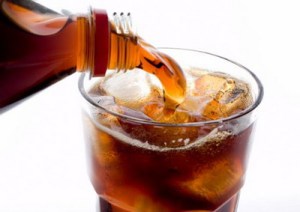
Look at the wrapper on a Coca-Cola 1.5 litre bottle and in the ingredients you will find phosporic acid in it. Minute quantities of ethylene glycol is also used (which is acknowledged in the soft drink world for making it “really chill”). This is popularly known as anti-freeze which prevents water from freezing at 0 degree C and instead drops it by 4-5 degrees with minute quantities. This chemical is a known slow poison in the caliber of arsenic (which is popularly used to kill RATS!!!). So, if you manage to drink about 4 litres of Coke within an hour or so, you can die.


A 12 oz can contain 45.6 mg of caffeine. That amounts to about 200 mg of caffeine in a 1.5 litre bottle.
Caffeine is deliberately added to all kinds of soft drinks to make it addictive. Read along and give up these dangerous things. Be natural; have flavoured milks, tender coconuts, butter milk, lassi, and plain water instead of these cold drinks.Guess what’s the pH of soft drinks like Coke is ? Its 3.4 ! This acidity is strong enough to Dissolve Teeth and Bones ! Our human body stops building bones at the age of about 30.
Soft drinks do not have any nutrition in terms of vitamins & minerals. They are high in sugar content, carbonic acid, & chemicals as colouring agents.
Some people like to take cold soft drinks after each meal. Guess what’s the impact of such a habit ! Our body needs an optimum temperature of 37 deg.Celsius for digestive-enzyme to function. The temperature of cold soft drinks is very much below 37 deg or even close to 0 deg Celsius. This will dilute the enzymes & is stressful for the digestive system. The food ingested would not be digested properly. In fact it may undergo fermentation. The fermented food produces gases and produces toxin which get absorbed in the intestine and circulate in the blood stream and is carried to the whole body. Hence toxic substances get accumulated in various parts of the body which may help in the development of various diseases.Think before you drink Coke/Pepsi (or any soft drinks) the next time. Have you ever thought of what exactly you are taking into your system when you drink an aerated drink? You are gulping down Carbon Dioxide. Nobody in the world would advise you to drink CO2.
Two months back, there was a competition at Delhi University among the students – “Who could drink the most Coke?” The winner drank 8 bottles and fainted on the spot — too much CO2 in the blood. Thereafter, the principal banned all soft drinks from the college canteen !
Did you know that soft drinks use chemicals in them that cause immense harm to you.
Someone put a broken tooth in a bottle of Pepsi, and in 10 days it DISSOLVED ! Can you believe it? Teeth and bones are the only human parts that stay intact for years after death. Imagine what the drink must be doing to your soft intestines and stomach lining!

Contributed by Dr. S.S Sibia

Ludhiana

sibia@vsnl.com

Medical Tidbits

Tea may protect elderly Bones

Quote

Tea may protect elderly Bones

A daily cup of tea may protect elderly women from osteoporosis. New research suggests that daily tea-drinking makes the aging bones of elderly women look five years younger and significantly reduces the risk of bone fractures. Elderly tea-drinkers have 5 percent higher mean bone-mineral density than non-tea-drinkers.The apparent benefits of drinking tea are independent of whether women smoke, drink coffee or use hormone replacement therapy. It also makes no difference to the bone-mineral density increase if women drink one or two cups or several pots of tea a day.The positive effects of tea on bone density may be caused by the presence of isoflavonoids. Flavonoids – brightly colored chemicals found in fruit, vegetables and herbs – are being credited with an increasing number of positive effects on health.

Prevention & Treatment of Osteoporosis

Prevention & Treatment of Osteoporosis
The Role of Hormone Therapy (HRT) in the Prevention and Treatment of OsteoporosisWhat is Hormone Therapy?

Hormone therapy in cases of osteoporosis is treatment which supplements of the hormones that ovaries have stopped making at menopause. It consists of either Oestrogen alone or in combination with Progesterone.

Possible guidelines for the use of Hormone therapy

  • As a preventive measure for women entering menopause with multiple risk factors. Post menopausal osteoporosis is best prevented by starting hormonal therapy at the time of menopause and continued for a minimum of 10 years.
  • Women who undergo early menopause or surgical menopause should start hormone therapy immediately and continue until at least up to the average age of menopause.
  • Women with osteoporosis even if she is many years past menopause.
  • Women in early 40, with signs of low bone density, especially with multiple risk factors and her bone density tests revealing low bone mass.
Types of Hormone therapy
Hormone therapy can be given in a number of ways. Oestrogen can be given alone or in combination with progesterone. When oestrogen is given alone chances of uterine cancer increases. To eliminate this risk progesterone can be added to oestrogen. Women who have had a hysterectomy may be treated with estrogen alone.Common Hormone Regimens

  • Estrogen and progesterone are both taken every day.
  • Estrogen is taken every day for 31 days and progesterone is taken for the first 14 days.
  • Women without a uterus can take estrogen alone ­ every day of the month or for 25 days followed by a five-day break, which can help control sore breasts.

Recently claims have been made that natural progesterone creams will prevent osteoporosis.

A dosage of 0.625 mg of oral estrogen per day (or its equivalent) is the minimum dose required to protect against osteoporotic fractures. Lower doses of estrogen (0.3 mg per day) combined with calcium supplements (1,500 mg per day) may also protect bones.

Side effects of Hormone therapy: depression, headaches, breast tenderness, skin irritation and weight gain.

Conditions when Hormone therapy is to be Avoided

  • history of unexplained vaginal bleeding
  • active liver disease or Chronic Liver disease
  • breast cancer
  • active vascular thrombosis
  • migraines
  • history of thromboembolism (blood clots which break up, travel and form other blockages)
  • history of hypertriglyceridemia in your family (elevated blood lipids)
  • uterine fibroids
  • endometriosis
  • past history of uterine cancer — effectively treated
  • gall bladder disease
  • strong family history of breast cancer

To be on Guard when on Hormone therapy

  • To report any Irregular Vaginal Bleeding
  • Regular checkup for Breast Health. Fequent self examination of Breasts.
  • Regular Mamograms advisible.
Other benefits of Hormone TherapyResearchers believe it helps to prevent heart disease; and it may provide protection against Colon cancer, Alzheimer’s disease and stroke.
Risks of Hormone therapyMost researchers believe that hormone therapy is safe for short term – 10 years. Even for longer use the risks are minimal and the benefits outweigh the risks.

Results of various studies suggest that over a lifetime approximately 10 in 100 women on hormone therapy will develop breast cancer.

 Osteoporosis