
French Paradox

French Paradox

French people are known to consume foods high in saturated fats and cholesterol, yet they have a low mortality rate from coronary heart disease. The discovery that the saturated fat intake in France is similar to that of other developed countries, while French mortality from coronary heart disease is only one-third the average of such countries, has become known as French Paradox.

In 1979 St. Leger and his colleagues’ conducted an epidemiological study that demonstrated a significant reduction in mortality from coronary heart disease with higher consumption of wine.

The French paradox seems to confirm this. The French have a high intake of saturated fat (14-15 percent of energy), which is similar to amounts consumed in U.K and the U.S. This diet has been thought to lead to high serum cholesterol concentrations and elevated rates of coronary heart disease. However, the mortality rates from coronary heart disease in France are much closer to those in the Mediterranean countries, Japan, and China, where such rates are less than one-third of that in North America. Lifestyle seems to play a role in the French Paradox. France is reported to have the highest wine intake and the highest total alcohol intake with the second lowest mortality rate from coronary heart disease in the world. This suggest a protective effect of wine no matter how much fat is consumed.

Several wine components show promise for their possible cardio protective effects. Apart from alcohol itself, polyphenolic components such as bioflavonoids and proanthocyanidins, components of grape skin, such as resveratrol and nitric oxide are also important. Nitric oxide is found to have relaxing effect on the endothelium of coronary arteries and aorta. Low levels of nitric oxide have been shown to cause hyperlipidemia in rats. The beneficial effect of alcohol may be due to its effect on fibrinolytic factors.
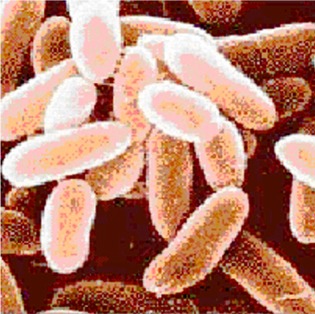
Its not the Wine but the healthy lifestyle that is important

Its not the Wine but the healthy lifestyle that is important

According to the findings of scientists at Duke University, North Carolina, and the Institute of Preventive Medicine in Copenhagen, the wine drinkers live longer and healthier lives because they consume more fruits and vegetables and have higher fiber intakes and a lower prevalence of smoking.

By contrast the teetotalers were found to have the worst lifestyles, smoking more cigarettes and munching their way through fatty, unhealthy foods. They are also less likely to exercise regularly and are generally fatter and unfit.

The investigators found that the beer and the spirit drinkers fall between these two extremes.

These researchers decided to analyze a long term health study of  4,500 graduates of North Carolina University. The researchers divided the subjects to five categories – wine-drinkers, beer-drinkers, spirit sippers, teetotalers and those who drink anything put in front of them.   The researchers then analyzed their diet habits, exercise regimen and other habits. The result published in the coming issue of the American Journal of Clinical Nutrition, revealed that wine-drinkers simply have the best lifestyles, regardless of income or socio-economic status. Beer, spirit and general drinkers were less healthy and the non-drinkers were the worst.

Subjects who preferred wine had healthier diets than those who preferred beer or spirits or had no preferences. Wine drinkers reported eating more servings of vegetables and fruits and fewer servings of red fried meats. The diets of wine drinkers contained less cholesterol , saturated fats and more fibre.

The team concludes that wine’s apparent health benefits may instead be due to the effects of dietary habits. There is nothing that directly confers any health benefit in a glass or two of wine – except that comfort given to  the drinker that he or she has such a sensible way of life.

Alcohol and Heart Diseases

Alcohol and Heart Diseases

Studies have shown some protective effect of alcohol intake for heart diseases. Researchers have shown that equivalent of two drinks per day of any kind of alcohol is associated with a decreased incidence of Coronary Heart Disease as compared with no drink. Higher doses than this results to increased risk of Heart Attacks and Stroke. 

The cardio protective effect of most alcoholic beverages are probably due to an elevation of high density lipoprotein HDL, the good cholesterol. Ability of alcohol to prevent platelet aggregation and increase fibrilolysis is also said to be the contributing factor.

Red Wine has increased favorable cardio protective effect as compared to the other type of wine. This is due to presence of Flavonoids in the red wine which are minimal in the white wine ( the the exception of Champagne).   The best researched flavonoids are Resveratrol and Quercetin which confer antioxidant properties more potent than alpha-tocopheraol.

Grape juice has about half the amount of Flavonoids by volume as compared to Red Wine.

Epidemiological studies have also suggested that the consumption of wine, particularly the red wine, reduces the incidence of mortality from coronary heart disease. This has given rise to what is now popularly known as “French Paradox“.

Even with all these fact it is not advisable to encourage alcohol consumption on regular basis. There is always chance for over consumption when it comes to alcohol use. 

Eating Tips 1

Eating Tips

  • For a nourishing start to your day, choose a whole-grain bran cereal packed with fiber, such as raisin bran or bran flakes.  Add fruit and low-fat milk for the most nutritious beginning.
  • Low-fat popcorn is crunchy, delicious, and a source of whole grain fiber. Plus, you can enjoy a large, filling portion! Look for popcorn made with “94% Fat Free Butter” or air-popped popcorn.
  • Choose light ice creams, or frozen yogurts which are low in fats and calories.
  • Enjoy thin-crust frozen pizza or with grilled chicken or veggies. Avoid the sausage, pepperoni, and extra cheese. Limit your portion to two slices and add a salad to complete the meal.
  • 100% fruit juices are naturally rich in vitamins, minerals, and disease-fighting antioxidants. In fact, they’re the next best thing to eating whole fruit.
    “Fruit juice drinks,” however, are usually packed with sugar and empty calories.
  • Frozen Meals Can Be Healthy, Too!: Look for frozen meals that have lean protein, plenty of vegetables, whole grains, and a low-fat or simple sauce.
  • Avoid fried frozen food, or creamy casseroles. Frozen meals that are baked, grilled, steamed, or sautéed are healthier and lower in calories.
  • Spaghetti – A Healthy Favorite: Try the new whole-wheat pasta blends. Even the kids will like it if you top the spaghetti with your favorite tomato sauce. Macaroni and cheese are low in fiber and loaded with fat and calories.
  • Fat-Free Frozen Shrimp & Prawns: Shrimp are a tastier and healthier alternative to breaded fish sticks. You can buy them already cooked and shelled. Eat them cold with cocktail sauce, grill them, or sauté with veggies.

Anthrax as Biological Weapon

Anthrax as Biological Weapon

  • Anthrax is an imperfect weapon because it is hard to obtain and disperse. 
  • It is extremely difficult to transform the Bacillus anthracis into a weapon for mass destruction.
  • It is one thing to have anthrax and another to infect people with it.
  • To make anthrax into a powder needs sophisticated technology.
  • You cannot contact anthrax by touching a door-nob or stair railing or any other object.
  • Anthrax spores can survive for almost 24 hours in the air when spread as  airborne aerosol. The spores are killed by the sunlight. They may persist for years if buried in the soil. Although the anthrax spores can contaminate the building surfaces for several hours, they would adhere to the surfaces and would be unlikely to re-aerosolised to cause pulmonary infection.  
  • To make the anthrax stain into its most leathal form – pulmonary anthrax the spores have to be of exact size. B. anthracis spores as airborne particles < 5 um in diameter need to be deposited directly into the alveoli or alveolar ducts ( the remote location in the lung ) of the lungs. If the spores are too small they would be exhaled out during breathing and would not be able to do any damage. Larger size spores will not be inhaled and would not reach the exact site of the lung to start the disease process.

    Anthrax spores

  • Bombs carrying anthrax may not be effective in dispersing the germs because the explosion would destroy them.
  • Spreading the bacterium with aerosol is a hard task. Unless it is in the form of spores it cannot be sprayed. In this context the attempt by Aum Shinrikyo cult of Japan to kill people traveling in the metro trains by spraying mist of Anthrax can be mentioned. The attempt did not succeed. The members of this cult squirted the agent in its liquid form. In this form the bacteria is less likely to reside in the victims’ lungs.