| NAUSEA is the sensation that precedes vomiting.VOMITING is the involuntary forced expulsion of stomach contents through the mouth. In most cases, the explanation is simple like irritation of the stomach by food or overindulgence in food and alcohol. Both are common complaints and are usually self-limiting. However, attention has to be paid to fluid balance and referral to hospital should be considered in case of dehydration and weight loss. If symptoms persist, a full examination of the patient is mandatory to look for serious underlying pathologies.Stimulation of the vomiting centre causes hypo-motility and reverse- motility of the digestive tract. The diaphragm presses down on the stomach and the abdominal walls move inwards, forcing the stomach contents out through the oesophagus. As this happens, the epiglottis clamps down upon the voice-box, thus preventing vomit from entering the wind-pipe.
What causes Nausea and Vomiting?
Both nausea and vomiting result from stimulation of the vomiting centre located in the brain stem. This centre can be activated in two ways – chemically and neutrally. Chemical activation is mediated via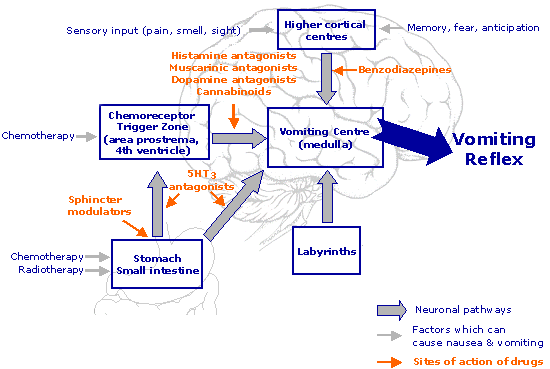 the chemoreceptor trigger zone (CTZ) that is sensitive to the presence of toxins and poisons in the blood stream. Neural activation occurs as a result of information coming directly from the frontal lobes of the brain, the digestive tract and balancing mechanism of the inner ear. the chemoreceptor trigger zone (CTZ) that is sensitive to the presence of toxins and poisons in the blood stream. Neural activation occurs as a result of information coming directly from the frontal lobes of the brain, the digestive tract and balancing mechanism of the inner ear.
Stimulation of the vomiting centre causes hypo-motility and reverse- motility of the digestive tract. The diaphragm presses down on the stomach and the abdominal walls move inwards, forcing the stomach contents out through the oesophagus. As this happens, the epiglottis clamps down upon the voice-box, thus preventing vomit from entering the wind-pipe.
Identification of Cause
The seriousness of vomiting depends upon its cause. It may be caused by overeating or drinking too much or by a viral infection. Alternatively, it may follow head injury or poisoning. Careful attention has to be paid in the following situations:
- Head injury
- Blood in the vomit
- Temperature is more than 38degreeCelcius
- Diarrhoea and continuous stomach pain
- Stomach pain not relieved by vomiting
- Chronic and unresponsive
Situation & Conditions to be suspected
- Overindulgence in food, drinks or intake of drugs — Gastric Irritation
- Consumption of bad food, similar symptoms seen in those who shared the food — Food Poisoning
- Diarrhoea with or without rise in temperature – Gastoentiritis
- Vomit contains blood or brown-black material resembling coffee grounds — Bleeding in the Gastroentestinal tract.
- Abdominal pain not relieved by vomiting — Appendicitis, Perforation of duodenal ulcer, Pancreatitis.
- Colicky pain — Gall Stones.
- Jaundice – Hepatitis
- Headache, drowsiness, difficulty in looking towards light; pain when bending the neck – Meningitis
- Pain in and around one eye with blurred vision — Glaucoma.
- Young woman who has missed her period – Pregnancy
- While travelling — Motion Sickness
- Accident, trauma — Head Injury, hematoma in the stomach
- Vomiting during pregnancy: usually begins in the sixth week and peaks during the tenth week. Drug therapy should be avoided as far as possible. In severe cases promethazine and doxylamine can be used as they are apparently free from teratogenic effects.
Drugs that commonly cause nausea and vomiting
- Allopurinol
- Antibiotics
- Bromocriptine
- Cytotoxics
- Digoxin
- Gold
- Iron
- Levopa
- NSAIDS( Nonsteroid anti inflamatory drugs)
- Oestrogens
- Opiates
- Penicillamine
- Quinidine
- Sulphasalazine
- Theophyline
- Thiazides
Management
The patient must be asked not to eat any solid food until nausea and vomiting subsides. He must be encouraged to take small sips of water to prevent dehydration. When the stomach settles, he should be advised to eat dry food like biscuits and toast before resuming normal diet. Attention has to be paid to fluid and electrolyte balance. Signs of dehydration include severe thirst, dry lips and tongue, sunken eyes, loss of skin elasticity, increased heart and respiratory rate, muscle cramps, lethargy, confusion and headache. If patient cannot take anything by mouth, intravenous fluids should be considered and the water salt balance should be carefully monitored by blood tests.
Medication
Drugs to manage nausea and vomiting are of two types: those that act directly on the digestive tract and those that act centrally. Drugs that act on the digestive tract increase intestinal contraction and accelerate transit. Centrally acting agents act at the vomiting centre or chemoreceptor trigger zone (CTZ) located in the brainstem and block impulses that induce nausea and Vomiting.
DOPAMINE ANTAGONISTS (prochlorperazine, metoclopramide, domperidone) act against D2 receptors in the brain stem (CTZ).
Prochlorperazine is a phenothazine possessing powerful antiernetic activity. In addition to CTZ, it also acts at the vomiting centre. It is used for nausea and vomiting due to various causes including migraine. Metoclopramide has a peripheral action on the gut and enhances gastric hurrying in addition to its effect on CTZ. Domperidone, unlike metoclopramide, does not cross the blood-brain barrier and may cause fewer extrapyramidal side-effects at high doses, eg. dystonia in children and parkinsonism in elderly.
ANTIHISTAMINES (promethazine, diphenhydramine, cyclizine, cinnarizine) act on the vestibular apparatus of the inner ear and are useful in motion sickness and vomiting due to vestibular disease.
ANTISEROTONIN agents like ondansetron act on peripheral and central serotonin Acceptors and are valuable in the management of nausea and vomiting not relieved by conventional, less expensive agents.
ANTICHOLINERGICS act on the vomiting centre and digestive tract and reduce gastrointestinal hyperactivity. They help in the management of motion sickness but can cause dry mouth, drowsiness and blurred vision. All motion sickness drugs are effective if given before the journey. Once the sickness has started, the symptoms are more difficult to control. |
 Formerly, obesity was explained by the single adverse behaviour of inappropriate eating in the setting of attractive foods. But now it has been established that obesity has multiple causes and is of different types. Both genetic and environmental factors are likely to be involved in the pathogenesis of obesity. These include excess caloric intake, decreased physical activity, and metabolic and endocrine abnormalities.Genetic determinants can either play a major role in the pathogenesis of obesity or enhance susceptibility to its development.The conditions in which genetics may play a role are Prader-Willi syndrome, Ahlstrom’s syndrome, the Laurence-Moon-Biedl syndrome, Cohen’s syndrome, and Carpenter’s syndrome.Over weight can be estimated by Body mass index (BMI), which is weight/height square, where weight is in kilograms and height is in meters.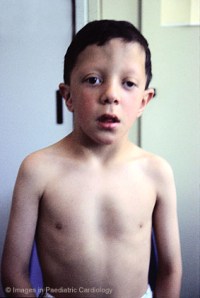




 Manbir Online ~ for Health & Fitness