Unknown's avatar

About Manbir & Gurpreet

Gurpreet Kaur’s journey in this world .... Gurpreet Kaur was a Musician. She was a singer and a composer of music. Her interest was composing and singing Gurbani Shabads in Indian Classical style. She sang Shabads in All the Raags mentioned in Sri Guru Granth Sahib Ji. She also taught Gurmat Sangeet at Gurmat Gian Missionary College, Jawadi, Ludhiana. Elder child to Pushpinder Kaur and Dr. Brig. Harminder Singh, was born in Amritsar on 13th Jan 1962. She attended various convent schools as a child because her father would get frequent Army postings as a dental surgeon. She graduated with Music Honors from Govt. College for Women, Chandigarh. Music was her hobby and she composed and sang Raag based Gurbani Shabads. Doing Kirtan was part of growing up nurtured by her parents. She learned music from her father Dr. Brigadier Harminder Singh who was a dental surgeon in Indian Army and a very good singer himself. Gurpreet’s Bhua (father’s sister), Ajit Kaur retied as a Head of Department of Music from Govt. College for Women Ludhiana, and was a renounced Punjabi singer of her time. Gurpreet Kaur also learned nuances of Indian Classical Music from Pandita Sharma. She was a mother of three children, and a grandmother. Her daughter Keerat Kaur is a Computer Engineer. Her two sons Gurkeerat Singh and Jaskeerat Singh are doctors in USA. Her daughter Keerat Kaur too was part of her group ~ Gurmat Gian Group. Gurpreet Kaur left this world at the age of 54yrs on 12th Sept 2016 in Baltimore USA. She had recorded around 25 cds of Gurbani Keertan. 'Raag Ratan' Album (6 CDs) is a Compilation of Shabads in All the 31 Sudh Raags of Sri Guru Granth Sahib Ji. 'Gauri Sagar' Album (3 CDs) is a Compilation of All forms of Raag Gauri in Sri Guru Granth Sahib Ji. 'Nanak Ki Malhaar' ~ ((3 CDs) is an album of Raag Malhar Shabads in various forms of Malhar. 'Gur Parsaad Basant Bana' ~ (3 CDs) is an album of Shabads in Raag Basant sung in various forms of Raag Basant. Har Ki Vadeyai Sarni Aayea Sewa Priya Kee Preet Piyaree Mohan Ghar Aavho Karo Jodariya Mo Kao Taar Le Raama Taar Le Tere Kavan Kavan Gun Keh Keh Gawan Mera Baid Guru Govinda Saajanrraa Mera Saajanrraa

Breast Cancer ~ Some Facts

Breast Cancer ~ Some Facts

  • A painless lump in the breast is a highly suspicious of cancer breast.
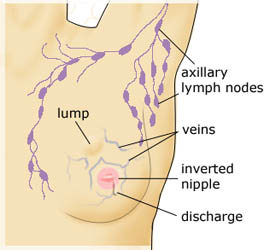
  • Changes in breast size or shape.
  • Swelling in the armpit.
  • Changes in the Nipple or discharge from Nipple.
  • Inflammatory breast cancer is a rare, fast-growing type of cancer that often causes no distinct lump. Instead, breast skin may become thick, red, and may look pitted — like an orange peel. The area may also feel warm or tender and have smallbumps that look like a rash.
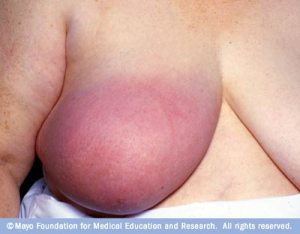
    Inflammatory Breast Cancer

  • The earlier breast cancer is found, the easier it is to treat and a better prognosis. Mammograms, X-rays of the breast, can detect tumors before they are large enough to feel. The American Cancer Society recommends yearly mammograms beginning at age 40 for women at average risk. While the U.S. Preventive Services Task Force recommends a screening mammogram every two years from age 50 to 74. It also notes that before age 50, each woman should check with a doctor to find out what screening schedule is right for her, considering the potential benefits and harms from screening.
  • Eighty percent of breast lumps are not cancerous. Lumps often turn out to be harmless cysts or tissue changes related to your menstrual cycle. But you should let your doctor know right away if you find anything unusual in your breast. If it is cancer, the earlier it’s found the better. And if it’s not, testing can give you peace of mind.
  • The only sure way to determine whether a lump is cancer is to do a biopsy. This involves taking a tissue sample for further examination in the lab, sometimes through a small needle. Sometimes surgery is done to take part of or the entire lump for testing. The results will show whether the lump is cancer, and if so, what type. There are several forms of breast cancer, and treatments are carefully matched to the type of cancer.

  • Some types of breast cancer are fuelled by the hormones estrogen or progesterone. A biopsy can reveal whether a tumor has receptors for estrogen (ER-positive) and/or progesterone (PR-positive). About two out of three breast cancers are hormone sensitive. There are several medications that keep the hormones from promoting further cancer growth.
  • In about 20% of patients, breast cancer cells have too many receptors for a protein called HER2. This type of cancer is known as HER2-positive, and it tends to spread faster than other forms of breast cancer. It’s important to determine whether a tumor is HER2-positive, because there are special treatments for this form of cancer.
  • Once breast cancer has been diagnosed, the next step is to determine how big the tumor is and how far the cancer has spread. This process is called staging. Doctors use Stages 0-4 to describe whether cancer is localized to the breast, has invaded nearby lymph nodes, or has spread to other organs, such as the lungs. Knowing the stage and type of breast cancer will help your health care team formulate a treatment strategy.
  • The odds of surviving breast cancer are strongly tied to how early it is found. According to the American Cancer Society, 100% of women with Stage 1 breast cancer live at least five years, compared to women without cancer – and many women in this group remain cancer-free for good.  The more advanced the cancer, the lower this figure becomes. By Stage 4, the five-year relative survival rate declines to 20%. But these rates can improve as more effective treatments are found.
  • There are many types of breast cancer surgery, from taking out the area around the lump (lumpectomy or breast-conservation surgery) to removing the entire breast (mastectomy.) It’s best to discuss the pros and cons of each of these procedures with your doctor before deciding what’s right for you.
  • Radiation therapy uses high-energy rays to kill cancer cells. It may be used after breast cancer surgery to wipe out any cancer cells that remain. It can also be used along with chemotherapy for treatment of cancer that has spread to other parts of the body. Side effects can include fatigue and swelling or a sunburn-like feeling in the treated area.
  • Chemotherapy uses drugs to kill cancer cells anywhere in the body. The drugs are often given by IV, but are sometimes taken by mouth or shot. Chemotherapy may be done after surgery to lower the odds of the cancer coming back. In women with advanced breast cancer, chemotherapy can help control the cancer’s growth. Side effects may include hair loss, nausea, fatigue, and a higher risk of infection.
  • Hormone therapy is an effective treatment for women with ER-positive or PR-positive breast cancer. These are cancers that grow more rapidly in response to the hormones estrogen or progesterone. Hormone therapy can block this effect. It is most often used after breast cancer surgery to help keep the cancer from coming back. It may also be used to reduce the chance of breast cancer developing in women who are at high risk.
  • Targeted therapies are newer drugs that target specific properties within cancer cells. For example, women with HER2-positive breast cancer have too much of a protein called HER2. Targeted therapies can stop this protein from promoting the growth of cancer cells. These drugs are often used in combination with chemotherapy. They tend to have milder side effects compared to chemotherapy.
  • There’s no doubt that cancer is a life-changing experience. The treatments can wear you out. You may have trouble managing daily chores, work, or social outings. This can lead to feelings of isolation. It’s crucial to reach out to friends and family for support. They may be able to go with you to treatments, help out with chores, or just remind you that you are not alone. Many people choose to join a support group — either locally or online.
  • Many women who have a breast removed choose to undergo reconstructive surgery. This replaces the skin, nipple, and breast tissue that are lost during a mastectomy. Reconstruction can be done with a breast implant or with tissue from somewhere else in your body, such as the tummy. Some women opt to begin reconstruction at the same time as their mastectomy. But it’s also possible to have reconstructive surgery months or years later.
  • An alternative to breast reconstruction is to be fitted for a breast form. This is a breast-shaped prosthesis that fits inside your bra. Wearing a breast form allows you to have a balanced look when you are dressed — without undergoing additional surgery. Like reconstructive surgery, breast forms are often covered by insurance.
  • The most obvious risk factor for breast cancer is being a woman. Men get the disease, too, but it is about 100 times more common in women. Other top risk factors include being over age 55 or having a close relative who has had the disease. But keep in mind that up to 80% of women with breast cancer have no family history of the illness.
  • Some women have a very high risk of breast cancer because they inherited changes in certain genes. The genes most commonly involved in breast cancer are known as BRCA1 and BRCA2. Women with mutations in these genes have up to an 80 percent chance of getting breast cancer at some point in life. Other genes may be linked to breast cancer risk as well.
  • Being overweight, getting too little exercise, and drinking more than one alcoholic beverage per day can raise the risk of developing breast cancer. Birth control pills and some forms of postmenopausal hormone therapy can also boost your risk. But the risk goes back to normal after these medications are stopped. Among survivors, good lifestyle choices may be helpful. Recent studies suggest that physical activity may help lower the risk of a recurrence and it’s a proven mood-booster.
  • Doctors continue to search for more effective and tolerable treatments for breast cancer.
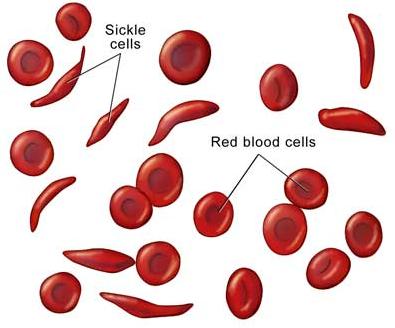
Sickle cell anemia

Sickle cell anemia

Sickle cell anemia is an inherited disease in which the Red Blood Cells get deformed to abnormal crescent shape.
Haemoglobin is a protein inside red blood cells that carries oxygen. Sickle cell anemia is caused by an abnormal type of hemoglobin called hemoglobin S. Hemoglobin S distorts the shape of red blood cells, especially when exposed to low oxygen levels. Hemoglobin S distorts the shape of red blood cells, especially when exposed to low oxygen levels. The distorted red blood cells are shaped like crescents or sickles. These fragile, sickle-shaped cells deliver less oxygen to the body’s tissues. They can also clog more easily in small blood vessels, and break into pieces that disrupt healthy blood flow.
Sickle cell disease is much more common in people of African and Mediterranean descent. It is also seen in people from South and Central America, the Caribbean, and the Middle East. This disease is inherited from both parents. Someone who inherits the hemoglobin S gene from one parent and normal hemoglobin (A) from the other parent will have sickle cell trait. People with sickle cell trait do not have the symptoms of true sickle cell anemia.
In several sections of Africa, the prevalence of sickle cell trait (heterozygote) is as high as 30%.
The sickle cell disease gene is present in approximately 8% of black Americans. More than 2 million people in the United States, nearly all of them of African American ancestry, carry the sickle gene.
Sickle cell disease is present mostly in blacks. But is also found, with much less frequency, in eastern Mediterranean and Middle East populations.
The male-to-female ratio is 1:1.
It is a lifelong condition. It first manifests in the second half of the first year of life and persists for the entire lifespan.

Symptoms
The abnormality of the RBCs in this disease results in serious infections, chronic anemia, and damage to body organs. Each person can have different forms of complications from the disorder. Some children remain relatively healthy, while others are frequently hospitalized.

The presenting symptoms of this disease involve pain and anemia.
For the first 6 months of life, infants are protected largely by elevated levels of Hb F (fetal haemoglobin). Patients have painful episodes lasting for hours or days. These episodes affect bones of back, long bones and chest. Some patients have episodes every few years and some have many episodes every year.

The most common clinical picture during adult life is vasoocclusive crisis. The crisis begins suddenly, sometimes because of some infection or temperature change, such as an air-conditioned environment during a hot summer day. Severe deep pain is present in the long bones. The abdomen is affected with severe pain resembling acute abdomen. Pain may be accompanied by fever, malaise, and leukocytosis (high white cell count ). The crisis may last several hours to several days and terminate as abruptly as it began.

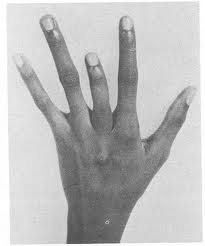
Shortened finger of African Adult male with sickle cell Disease

During childhood and adolescence, the disease is associated with growth retardation, delayed sexual maturation. The spleen enlarges in the latter part of the first year of life. The spleen may undergoes repeated infarction. Over time, the spleen becomes fibrotic and shrinks. Another problem occurring in infancy is hand-foot syndrome. This is a painful swelling of the dorsum of the hand and foot.

Central nervous system involvement may cause stroke with neurological deficit.

The heart is involved due to chronic anemia and and microinfarcts may damage it. Repeated Blood transfusion causes hemosiderin deposition in the myocardium.
Formation of Bile Stones due to chronic hemolysis with hyperbilirubinemia may cause Cholicystitis.

The lungs develop areas of microinfarction. The resulting areas that lack oxygenation aggravate the sickling process. Pulmonary hypertension may develop.
Leg ulcers are a chronic painful problem. They result from minor injury to the area around the malleoli.
Priapism (painful erection of penis) is a troubesome complication and tends to occur repeatedly. When it is prolonged, it may lead to impotence.
Spontaneous abortions may occur those who get pregnant.

Treatment

No cure is available for this disease.

The goals of treating sickle cell anemia are to relieve pain, prevent infections, organ damage, and strokes, and control other complications.
Children who are diagnosed with this disease need antibiotics to prevent infections and their parents need to be educated in managing the child.
Mild pain can be treated at home but for severe pain hospital treatment is needed. Dehydration and infections have to be managed. Oxygen therapy may be needed.

Hydroxyurea: can be used in patients of Sickle Cell Anaemia. It prompts the body to make fetal hemoglobin. Fetal hemoglobin, or hemoglobin F, is the type of hemoglobin that newborns have. In people who have sickle cell anemia, fetal hemoglobin helps prevent red blood cells from sickling and improves anemia. Given daily, hydroxyurea reduces how often painful sickle cell crises and acute chest syndrome occur. Many people taking hydroxyurea also need fewer blood transfusions and have fewer hospital visits.

Blood Transfusion is needed to treat anaemia and complications.
Infections can be a major complication of sickle cell anemia throughout life, but especially during childhood. Infection in children can be managed by giving daily doses of antibiotics.
All routine vaccinations (including a yearly flu shot), plus the pneumococcal vaccine is important.
Sickle cell anemia can damage the blood vessels in the eyes and the retinas. Regular eye checkup is needed.
Leg ulcers due to sickle cell anemia can be very painful. Ulcers can be treated with cleansing solutions and medicated creams or ointments.
Gallbladder surgery may be needed if the presence of gallstones leads to gallbladder disease.
Priapism (a painful erection in males) can be treated with fluids, medicines, or surgery.
Young children who have sickle cell anemia should have regular checkups with a hematologist.

New Treatments: Research on blood and marrow stem cell transplants, gene therapy, and new medicines for sickle cell anemia is ongoing. The hope is that these studies will provide better treatments for the disease.

New Medicines:

Decitabine, like hydroxyurea, this medicine prompts the body to make fetal hemoglobin.

Adenosine A2a receptor agonists, these medicines may reduce pain-related complications.

5-HMF. This natural compound binds to red blood cells and increases their oxygen. This helps prevent the red blood cells from sickling.

Patau Syndrome

Patau Syndrome

Patau syndrome is the least common and most severe of the viable autosomal trisomies. It is a genetic disorder in which a person has three copies of genetic material from chromosome 13, instead of the usual two copies.

Trisomy 13 occurs in about 1 out of every 10,000 newborns. Most cases are not inherited. Instead, the events that lead to Trisomy 13 occur in either the sperm or the egg that forms the fetus.

A significant number of cases that are trisomic for chromosome 13 end in spontaneous abortion, foetal demise, or stillbirth. More than 80% of children with trisomy 13 die in the first month.  Only one in 20 children survive longer than 6 months.

Symptoms

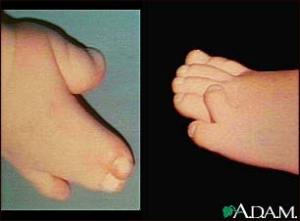
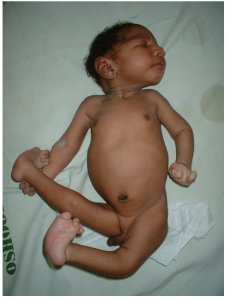
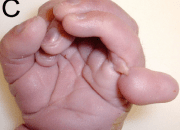
  • Extra fingers or toes (polydactyly). Clenched hands with outer fingers on top of the inner fingers.
  • Deformed feet, known as rocker-bottom feet
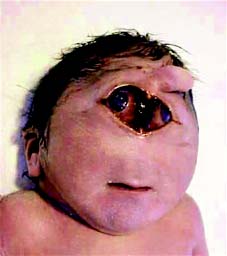
  • Severe mental deficiency. Small head, failure of the brain to divide into halves during gestation.
  • Facial defects such as small eyes, absent or malformed nose, cleft lip and/or cleft palate
  • Heart defects in 80% of individuals.
  • Kidney defects
  • Hernias: umbilical hernia, inguinal hernia.
  • Undescended testicle.

Edward's syndrome

Edward’s syndrome

Edward’s syndrome was named after Dr. John Edward
Also called Trisomy 18. It is a form of rare genetic disorder where a portion of a person’s chromosome 18 is duplicated. Children with the syndrome inherit three instead of two, copies of chromosome eighteen.

The majority of people with the syndrome die during the foetal stage. Infants who survive experience serious defects and commonly live for short periods of time. Approximately 5-10% of children with Edward’s syndrome survive beyond their first year of life and these have severe developmental disabilities.

The syndrome occurs in about 1 in 5000 births. Edward’s syndrome affects more boys than girls. Women older than the age of thirty have a greater risk of bearing a child with the syndrome.

Ninety-five percent of children with Edward’s syndrome have what is referred to as, ‘full-trisomies,’ while two-percent are due to translocations where only a portion of an extra chromosome is present. Three-percent of children with Edward’s syndrome have what is referred to as, ‘mosaic tristomies,’ where the extra chromosome is there, but not in every one of the child’s cells.

Most cases of trisomy 18 are not inherited, but occur as random events during the formation of eggs and sperm. An error in cell division called nondisjunction results in a reproductive cell with an abnormal number of chromosomes.

Symptoms

.

.

.

.

.

.

Majority die during the foetal stage.

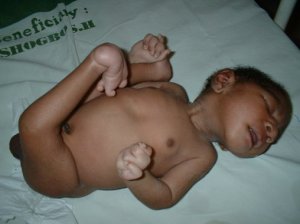
  • Heads are unusually small, while the back of their head is prominent. Their ears are low-set and malformed, and their mouths and jaws are small.
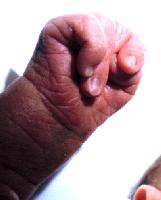
  • Hands are often clenched into fists, with their index finger overlapping their other fingers.
  • Feet may be clubfeet, as well as toes that may be fused or webbed.
  • Many types of congenital heart disease like atrial septic defect, ventricular septal defect, or patent ductus arteriosus may be present.
  • Inguinal or umbilical hernia, abnormalities of their urogenital system, malformed kidneys, or undescended testicles in males may be seen.

Pick's Disease

  Pick’s Disease

Synonym: Primary Progressive Aphasia

Arnold Pick, first described the disease in 1892

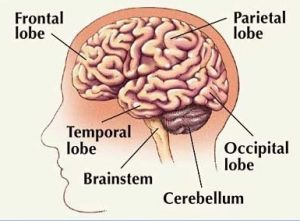
Pick’s disease is a rare disorder that affects the frontal and temporal lobes of the brain, which control speech and personality. These areas of brain undergo slow atrophy. It is therefore classified as a Frontotemporal dementia. 

Pick’s disease is a rare and permanent form of dementia that is similar to Alzheimer’s disease, except that it tends to affect only certain areas of the brain.

In Alzheimer’s disease memory loss is the predominate and early sign.

Patients with Pick’s initially exhibit marked personality and behavioural changes, and then a decline in the ability to speak coherently.

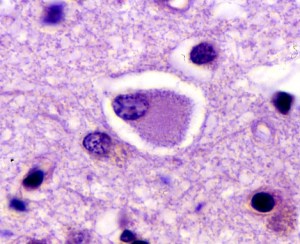
This disease is the result of a build-up of protein in the affected areas of the brain. The accumulation of abnormal brain cells, known as Pick Cells or Pick’s bodies, eventually leads to changes in character, socially inappropriate behaviour, and poor decision making, progressing to a severe impairment in intellect, memory and speech.

Pick Cells have characteristic of ballooned neurons with dissolution of chromatin.

Age of onset is between 40 and 60.

Frontal lobes of brain are responsible for rational emotional responses and the way we act in response to the world around us. In Pick’s Disease it is these frontal lobes that are involved in the disease process. These areas of brain are also responsible for speech and the use of language. As Pick’s disease involves this area of the brain these thinking processes are abnormal in the patients of Pick’s disease.

The earliest symptoms are usually changes in behaviour, mood, or personality. The person does not behave his or her usual self.

Some specific features:

  • Impulsivity and poor judgment in usually cautious person.
  • Sexual exhibitionism or promiscuity
  • Repetitive or obsessive behaviour
  • Rudeness, impatience, or aggression
  • Easily distracted; poor attention span
  • Lack of warmth, concern, or empathy
  • Loss of vocabulary, Speech problems: The person may have trouble finding the right word. His or her sentences may be incomplete or organized strangely.
  • Difficulty speaking or understanding speech.
  • Repeating words others say.
  • Weak, uncoordinated speech sounds.
  • Decrease in ability to read or write.
  • Complete loss of speech.
  • Changes in eating habits: The person may begin overeating, eating greedily, eating excessive amounts of sweets, or drinking large amounts of alcohol. He or she may gain weight.

Diagnosis

Only way to diagnose definitely is by a Biopsy of brain tissue. This can be done by a neurosurgeon. Otherwise the disease can be suspected on the basis of symptoms.

Single-photon emission computed tomography (SPECT) or positron-emission tomography (PET) scan: This scans are used in certain cases when the diagnosis is doubtful. They are especially good at detecting abnormal brain function. SPECT and PET scans are available only at some large medical centres.

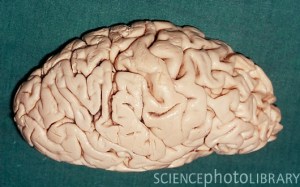
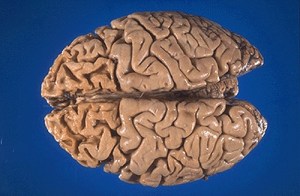
Brain specimens showing Frontal Lobes thinning in Pick's Disease


There is no cure for Pick disease. Treatment for the patients of this disease can be aimed at improving behaviour and mood problems and relieving other symptoms. For example, a speech therapist may be able to help the person improve his or her ability to communicate. Medication is helpful in many patients in easing mood and emotional difficulties.

Dementia
Parkinson’s Disease
Alzheimer’s disease