
Unknown's avatar

About Manbir & Gurpreet

Gurpreet Kaur’s journey in this world .... Gurpreet Kaur was a Musician. She was a singer and a composer of music. Her interest was composing and singing Gurbani Shabads in Indian Classical style. She sang Shabads in All the Raags mentioned in Sri Guru Granth Sahib Ji. She also taught Gurmat Sangeet at Gurmat Gian Missionary College, Jawadi, Ludhiana. Elder child to Pushpinder Kaur and Dr. Brig. Harminder Singh, was born in Amritsar on 13th Jan 1962. She attended various convent schools as a child because her father would get frequent Army postings as a dental surgeon. She graduated with Music Honors from Govt. College for Women, Chandigarh. Music was her hobby and she composed and sang Raag based Gurbani Shabads. Doing Kirtan was part of growing up nurtured by her parents. She learned music from her father Dr. Brigadier Harminder Singh who was a dental surgeon in Indian Army and a very good singer himself. Gurpreet’s Bhua (father’s sister), Ajit Kaur retied as a Head of Department of Music from Govt. College for Women Ludhiana, and was a renounced Punjabi singer of her time. Gurpreet Kaur also learned nuances of Indian Classical Music from Pandita Sharma. She was a mother of three children, and a grandmother. Her daughter Keerat Kaur is a Computer Engineer. Her two sons Gurkeerat Singh and Jaskeerat Singh are doctors in USA. Her daughter Keerat Kaur too was part of her group ~ Gurmat Gian Group. Gurpreet Kaur left this world at the age of 54yrs on 12th Sept 2016 in Baltimore USA. She had recorded around 25 cds of Gurbani Keertan. 'Raag Ratan' Album (6 CDs) is a Compilation of Shabads in All the 31 Sudh Raags of Sri Guru Granth Sahib Ji. 'Gauri Sagar' Album (3 CDs) is a Compilation of All forms of Raag Gauri in Sri Guru Granth Sahib Ji. 'Nanak Ki Malhaar' ~ ((3 CDs) is an album of Raag Malhar Shabads in various forms of Malhar. 'Gur Parsaad Basant Bana' ~ (3 CDs) is an album of Shabads in Raag Basant sung in various forms of Raag Basant. Har Ki Vadeyai Sarni Aayea Sewa Priya Kee Preet Piyaree Mohan Ghar Aavho Karo Jodariya Mo Kao Taar Le Raama Taar Le Tere Kavan Kavan Gun Keh Keh Gawan Mera Baid Guru Govinda Saajanrraa Mera Saajanrraa

Coronary Heart Disease in Indians

Coronary Heart Disease in Indians

A report of WHO says that by the end of this century, India would account for more than half of the total heart patients in the world.

Incidence of  CAD in US is 1 %, whereas it was as high as 3 % among Indians and about 7 % among north Indians.

Higher Rate –   2-4 fold higher prevalence of CAD and mortality. Higher rates of clinical events – double than the Whites, 4 fold higher than Chinese.

Greater pre maturity – 5-10 yrs. earlier onset of first myocardial infarction. 5–10 fold higher risk of myocardial infarction and death in the younger age < 40 yrs.

Greater severity – Three vessel disease common even in younger pre menopausal women. Large infarction and greater muscle damage in younger age. 

Lower prevalence of conventional risk factors like hypertension, obesity, cigarette smoking. Cholesterol levels similar to Whites but higher than other Asians.

Higher prevalence of thrombogenic risk factors like – high levels of lipoprotein (a), homocysteine, ApoB, high levels of Triglycerides, fibrinogen, plasminogen activator inhibitor – 1, low levels of HDL.   

The increased incidence of the CAD in the Indians is due to a combination of Nature (genetic predisposition) and Nurture (environmental factors). Because of the genetic predisposition the harmful effects of environmental factors are greatly magnified. Adverse life style factors include those associated with affluence, urbanization and mechanization. When people move from the rural to the urban environment they tend to become sedentary.

Decreased physical activity and increases consumption of calories and saturated fatty acids, insulin resistance and athrogenic dyslipidaemia all add and have synergistic effect on the development of CAD.

Because Indians have higher prevalence of thrombotic risk factors the conventional risk factors become doubly dangerous. 

Lipoprotein(a) elevated levels render many Indians genetically susceptible to CAD as early as childhood. It has been seen that Lp(a) level > 30 mg % is associated with increases

High rate of CAD in Indians are in sharp contrast to  very low rates in other Asians. Despite high rates of smoking and hypertension, CAD rates among both Chinese and Japanese are about 4 fold lower than in US.

The low rate of CAD in Chinese despite high rates of other risk factors is attributed to their highly Anti-Atherogenic Lipid Profile. 

In a study the typical levels in rural China were:

  •  Cholesterol: 127 mg /dl
  • LDL: 63 mg /dl
  • Triglycerides: 100 mg /dl
  • HDL: 44 mg /dl
  • TC/HDL ratio : 2.9

Others have reported cholesterol levels as low as 80 mg /dl in some Chinese communities, where CAD is virtually non existent.

Following are some observations of a Berkeley study: –

Indians around the globe have highest rate of heart disease, usually 2 to 3 times higher than Americans, Europeans, Chinese and Japanese.
Indo Americans are at a higher risk of heat disease in spite of the fact that half of them are vegetarians and lack many of the traditional risk factors related to the heart disease.
About 25 % of the heart attacks among the Indian descent occur when they are younger than 40, unheard of in other populations.
Among those younger than 30 years of age, the coronary artery disease mortality is three fold higher than Whites in UK and 10 fold higher than Chinese in Singapore.


Free Radicals and Antioxidants

Free Radicals and Antioxidants

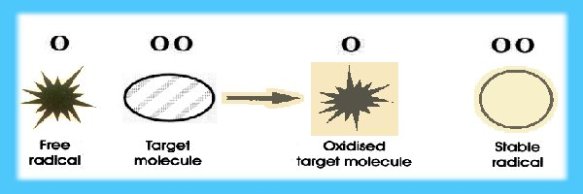
A free radical is a substance that contains one or more unpaired electrons, which is capable of independent existance. They are highly reactive molecules. They may be formed physiologically as in neutropils during intracellular killing or micro organisms or may be formed pathologically in an atherosclerotic plaque.
A stable molucle has no unpaired electron in its electron orbit. In afree radical however the presence of unpaired electron makes it energetically unstaable. It will quickly pair with an electron in the surrounding molecule to give it stability. This oxidises the surrounding molecule. This oxidation has two effects on the taaget molecule – it is chemically modified and it will also become reactive as it now has an unpaired electron. This will lead to oxidation of another surrounding molecule ans a chain reaction will set in generating and regenerationg free radicals, thus destroying large number of cell components.

Free radicals are very short lived. Most of the free radicals are formed in the body from oxygen.

  • Superoxide (O2) ion

  • Hydroxyl group (OH)

  • Nitric Oxide (NO)

  • Singlet oxygen (O)

  • Peroxyl radicals (ROO)

  • Hydrogen Peroxide (H2O2)

Free radicals are being constantly formed in the body because of endogenous metabolic processes or due to environmental exposures – smoking, pollution.

Free radicals are generated in any of the three major cell types of the arterial wall : – endothelial cells, smooth muscle cells and macrophages. The free radicals and the LDL ( Low density lipids ) are involved in processes which finally lead to the formation of ‘Foam Cells‘ from which atherosclerotic plaques evolve.
Oxidised LDL also exerts other actions that add to the development of atherosclerosis. Free radicals also stimulate production of prostaglandins that cause vaso-constriction and also help in the aggregation of the platelets.

Although high levels of native LDL are associated with atherosclerosis, it is the oxidation of LDL by the free radicals that is crucial to its initiation and progression.

Antioxidants

We know that the free radicals are formed in the body constantly. Surely the body has mechanisms to take care of the oxidative stress. All cells have defences against the free radicals and these defences are antioxidants.
There are three types of natural antioxidants :-
1. Antioxidant enzymes : superoxide dismutase, catalase, glutathiaone peroxidase.
2. Preventive antioxidants : transferrin, lactoferrin, ceruloplasmin.
3. Scavenging antioxidants : vitamin C, E,A.

The antioxidants particitipate in reducing the oxidative stress by themselves getting oxidised, thereby protecting the target cells. The free radicals attempt to react with the target cells but in the presence of the antioxidants they react with the antioxidants.

Important Antioxidants
Vitamin A ( ß – carotene )
Vitamin E ( Alpha – tocopherol )
Vitamin C (Ascorbic acid )
Selenium

Alpha lipoic acid

Alpha lipoic acid is a sulfur-containing fatty acid that has recently become very popular as a dietary supplement. It is found inside each of the body’s cells where it helps generate the energy that keeps us alive and functioning.

Important characteristics of alpha lipoic acid :

  • Alpha lipoic acid functions as a powerful Antioxidant.

  • Unlike other antioxidants that work only in water or fatty tissues, alpha-lipoic acid is unusual in that it functions in both water and fat. This gives alpha lipoic acid an unusually broad spectrum of action.

  • Alpha lipoic acid may improve the effects of insulin and help lower blood sugar and prevent or slow nerve damage.

  • Alpha lipoic acid in high doses is more potent than vitamin E.

Atherosclerosis
Natural sources of Antioxidant Vitamins and Minerals
Chocolate has antioxidants
Pomegranate Juice – has Antioxidants

Atherosclerosis

Atherosclerosis

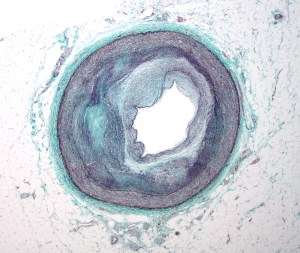
Atherosclerosis is a common form of hardening of the arteries due to plaque deposition. The arteries are the vessels that carry oxygen and other nutrients from heart to the other parts of body. Plaques are patches of fatty tissue that collect in the arteries and damage artery walls. As the fatty deposits accumulate, they reduce the elasticity of the blood vessels and narrow the passageway, thus interfering with the blood flow. The Atherosclerotic vascular disease leads to decreased circulation in the blood vessels of the brain, heart and extremities.

Signs and symptoms of Atherosclerosis

Symptoms are often absent until atherosclerosis reaches advanced stages. Symptoms depend on which part of the body has decreased blood flow, and the extent of the disease.

Presentations of atherosclerosis:-

  • Angina pectoris (Cardiac pain)
  • Myocardial infarction (Heart attacks)
  • Transient ischemic attacks (TIA)
  • Strokes (Brain attacks)
  • Intermittent claudication which may progress to gangrene of the organ / site involved.

Risk factors for atherosclerosis

  • High blood pressure
  • High cholesterol levels
  • Positive family history
  • Diabetes mellitus
  • Cigarette smoking
  • Obesity
  • Sedentary lifestyle
  • Stress
  • Oxidative Stress
  • High levels of plasma homocysteine

Oxidative stress

Oxygen, the most critical nutrient for life, is the main source of free radicals. Free radicals are highly reactive oxygen fragments which are created by normal chemical processes in the cells. During cellular respiration (the process which creates energy), some oxygen molecules are converted into “free radicals” – when one of the electrons in the molecule is lost. This turns our “friend” oxygen into a hyperactive chemical that cannot rest until it gets an electron back. The only way it can replace the missing electron is to take it from another molecule. Now, if that other molecule happens to be a part of one of your healthy cells, then the cell will be damaged possibly leading to a number of diseases or worse inducing it to grow uncontrollably and form a tumor. Increased production of free radicals in the body is known as oxidative stress.
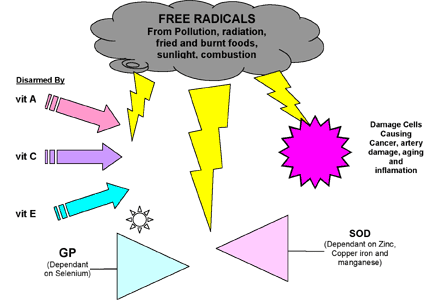
Free radicals are continuously formed as a consequence of many oxidative biochemical reactions in the body. In addition, the environment is also a source of free radicals. These include:

  • lonizing radiation-Sun
  • Ozone and Nitrous oxide – Automobile exhaust
  • Heavy metals – Mercury, Cadmium, Lead etc.
  • Cigarette smoke
  • Alcohol consumption
  • Emotional stress

Damages caused by free radicals

Free radicals attack, damage and ultimately destroy almost any material. The rusting of metal, the browning of a fresh cut apple, or the hardening of paint are all examples of the constant bombardment of free radicals and the resultant damage.

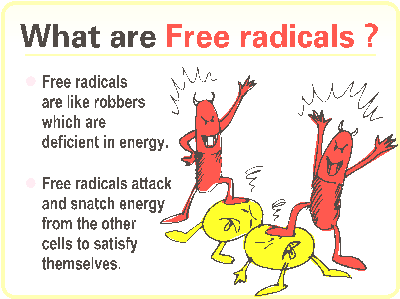
Free radicals are inherently unstable, since they contain ‘extra’ energy. To reduce their energy load, free radicals, react with certain cells in the body, interfering with the cells’ ability to function normally. Free radicals if left undestroyed would quickly enter into oxidative reactions with different vital cellular components containing lipids, proteins, nucleic acids and carbohydrates.
Free radicals attack blood fats which may lead to heart and blood vessel diseases. The body contains two main types of cholesterol – The “Good” cholesterol (HDL) and the ‘Bad’ cholesterol (LDL). When the LDL type of cholesterol reacts with free radicals, it becomes damaged (oxidized), and this may lead to atherosclerosis. Undamaged (native) LDL cholesterol does not seem to be as harmful. Thus, the free radical mediated oxidation of LDL cholesterol is a critical link between high blood cholesterol and build up of vessel-blocking plaques. In addition, free radicals may lower the levels of HDL cholesterol, which protect against cardiovascular diseases.

Free radicals have the capacity to alter cell architecture and metabolism causing a variety of disabling and life threatening disorders. Free radicals may be involved in the following:

  • Loss of transparency of the lenses of the eye, leading to cataracts
  • Inflammatory responses seen in rheumatoid arthritis and asthma
  • Cancer
  • Nerve and brain damage as seen in Parkinson’s disease

Normal Body response to the free radicals

The human body which has to endure the constant production of free radicals also has natural protection from their harmful (oxidizing) effects – antioxidants. The body makes a series of antioxidant enzymes which can neutralize these free radicals. In addition to these enzymes, many vitamins and minerals act as antioxidants in their own right; these include Vit.C, Vit.E,Vit.A and Selenium. These may stop the free radical from forming in the first place, or interrupt an oxidizing chain reaction to minimize the damage due to free radicals. However, these natural enzymes and vitamins are not always enough to overcome today’s continuous onslaught of natural and environmental free radicals.

Protection from free radicals

To have protection from free radicals there are two ways in which one can reduce the damage caused by free radicals. Avoid factors which encourage the production of free radicals. These include substances such as cigarette smoke, ultra violet radiation from the sun, excessive pollution etc. The second course of action is to make sure that we receive plenty of antioxidants in our daily diet.

Adequate quantities of antioxidants require at least five servings of fruits and vegetables.

Angina Pectoris
Free Radicals and Antioxidants 
Natural sources of Antioxidant Vitamins and Minerals 

Walking Cuts Heart Attack Risk

Walking Cuts Heart Attack Risk

Elderly men who walk two miles every day showed half the risk for a heart attack than men who walked only a quarter of a mile, a study suggests. 
The risk of a heart attack dropped 15 percent with everyadditional half mile walked per day, researchers report in the Circulation: Journal of the American
Heart Association. Those findings are based on a study conducted by researchers at the University of Virginia School of Medicine in Richmond, Va. They looked at 2,678 men ages 71 to 93 and their walking habits. 
Study results showed that men who walked at least two miles every day had a 2.5 percent risk for a heart attack compared with a 5 percent risk for men who walked only a quarter mile a day. In an accompanying editorial, doctors from the University of Texas Southwestern Medical Center in Dallas say the finding that exercise that is neither strenuous nor prolonged can benefit an individual at any age is encouraging. 


French Paradox

French Paradox

French people are known to consume foods high in saturated fats and cholesterol, yet they have a low mortality rate from coronary heart disease. The discovery that the saturated fat intake in France is similar to that of other developed countries, while French mortality from coronary heart disease is only one-third the average of such countries, has become known as French Paradox.

In 1979 St. Leger and his colleagues’ conducted an epidemiological study that demonstrated a significant reduction in mortality from coronary heart disease with higher consumption of wine.

The French paradox seems to confirm this. The French have a high intake of saturated fat (14-15 percent of energy), which is similar to amounts consumed in U.K and the U.S. This diet has been thought to lead to high serum cholesterol concentrations and elevated rates of coronary heart disease. However, the mortality rates from coronary heart disease in France are much closer to those in the Mediterranean countries, Japan, and China, where such rates are less than one-third of that in North America. Lifestyle seems to play a role in the French Paradox. France is reported to have the highest wine intake and the highest total alcohol intake with the second lowest mortality rate from coronary heart disease in the world. This suggest a protective effect of wine no matter how much fat is consumed.

Several wine components show promise for their possible cardio protective effects. Apart from alcohol itself, polyphenolic components such as bioflavonoids and proanthocyanidins, components of grape skin, such as resveratrol and nitric oxide are also important. Nitric oxide is found to have relaxing effect on the endothelium of coronary arteries and aorta. Low levels of nitric oxide have been shown to cause hyperlipidemia in rats. The beneficial effect of alcohol may be due to its effect on fibrinolytic factors.