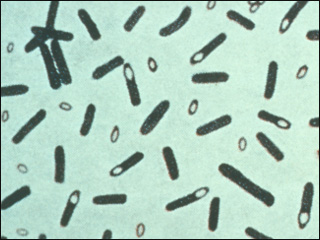
Cysticercosis

 Cysticercosis

Human cysticercosis is infection by the larval (cysticercus) stage of the

Tapeworm T. solium. Prevalence rates upto 10% are recognized in some endemic areas.

The natural history of the infection is incompletely known. Cysticerci complete their development within 2-4 months after larval entry and live for months to years.

Several factors give rise to symptoms. Initially, the live larva within a thin- walled cyst (vesicular cyst) is minimally antigenic.

When the host immune response or chemotherapy results in gradual death of the cyst, there may be cyst enlargement (colloidal cyst) with mechanical compression, inflammation with pericyst edema, and (sometimes) vasculitis that can result in small cerebral infarcts, increased intracranial pressure. Subsequently, as the cyst degenerates over 2-7 years, it may disappear or be replaced by a granuloma, calcification, or residual fibrosis.

Cysts at different life cycle stages-active (live), transitional, and inactive (dead)-may be present in the same organ. Although some patients develop an intense immune response to the parasite, others show a remarkable tolerance.

Locations of cysts in order of frequency are: 

  • central nervous system
  • subcutaneous tissues
  • striated muscle
  • globe of the eye
  • rarely, other tissues.

Cysts reach 5-10 mm in soft tissues but may be larger (up to 5 cm) in the central nervous system. Attached to the inner wall of the cyst is an invaginated protoscolex with four suckers and a crown of hooks.

Clinical findings

Neurocysticercosis

In many patients, cysts remain asymptomatic. When symptomatic, the incubation period is highly variable (usually from 1 to 5 years but sometimes shorter). Manifestations are due to mass effect, inflammatory response, or obstruction of the brain foramina and ventricular systems. Neurologic findings are varied and nonspecific, in large part determined by the number and location of the cysts.

Acute invasive stage: This rare event, occurring shortly after invasion, results from extensive acute spread of cysticerci to the brain parenchyma. Fever, headache, myalgia, marked eosinophilia, and coma may occur.

Parenchymal cysts: Cysticerci can present singly or multiple and may be scattered or in clumps. Findings include epilepsy (focal or generalized), focal neurologic deficits, intracranial hypertension (intense headache, vomiting, papilledema, visual loss), and altered mental status. Seizures usually do not occur until the cyst or cysts have begun to die.

Subarachnoid space cysts and meningeal cysts: Small to large cysts are generally located in the cortical sulei or basal cisterns. The arachnoid is the principal basal membrane affected. Adhesive arachnoiditis may result in obstructive hydrocephalus, intracranial hypertension, arterial thrombosis leading to transient ischemia or stroke, and cranial nerve dysfunction (most often of the optic nerve).

Ventricular cysts: may float freely (usually singly) within the ventricles or cerebral aqueduct or may be attached to the ventricular wall. They are usually asymptomatic but can cause increased intracranial pressure as a result of intermittent or total blockage.

Racemose cysts: are rare aberrant forms that are multiple-branched, nonencysted, and lack a scolex; they present as grape-like irregular clusters and may reach over 10 cm in diameter. They generally are found in the ventricular and basal subarachnoid spaces, where they cause marked adhesive arachnoiditis and often-obstructive hydrocephalus.

Spinal cord cysts: can be extraspinal or intraspinal and cause arachnoiditis (meningitis, radiculopathy) or pressure symptoms.

Ophthalmo-cysticercosis
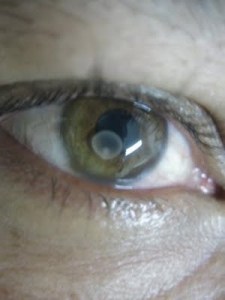
Usually there is a single cyst, free-floating in the vitreous or under the retina. Presenting symptoms include periorbital pain, scotomas, and progressive deterioration ofvisual acuity. Findings may include disk hemorrhage and edema, retinal detachment, iridocyclitis, and chorioretinitis. MRI but not CT may assist in diagnosis; immunologic tests are negative.

Subcutaneous and striated muscle cysticercosis
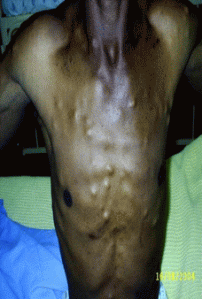
Subcutaneous cysts present as nodules that tend to appear collapse and disappear, and then reappear in other sites after variable periods of time. They are usually asymptomatic.

Appearance  of subcutaneous nodules when associated with other symptoms, for example episodes of seizures, help in diagnosing the condition of cerebral cystecercosis.


INVESTIGATIONS

Laboratory tests:

Definitive diagnosis of Neurocysticercosis requires finding the parasite on histological section of specimens removed by excision biopsy of skin or subcutaneous. Patients should be thoroughly examined by palpation for pea-sized nodules.

Imaging

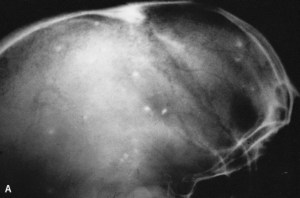
Plain radiographs of muscle may detect oval or linear calcified lesions (4-10 X 2-5 mm). The lesions are usually multiple, sometimes in the hundreds, and the long axis of the cysts are nearly always in the plane of the surrounding muscle fibers.

Plain skull films may demonstrate calcified cysticercosis. 
CT and MRI

Immunologic tests

Immunoelectrotransfer blot test appears to reach nearly 100% specificity and 95% sensitivity (sensitivity appears to decline if only one or two cysts are present).

Patients presenting with only calcified lesions or granulomas are generally serologically negative.

, whereas the ELISA showed. respectively, 63% and 65%. Hydatid disease and H nana infections cross- react in the ELISA. Sensitivity using cerebrospinal fluid was 86% by immunoblot and 62% by ELISA..

Other tests: The cerebrospinal fluid in neurocysticercosis should be evaluated for IgM (by ELISA) and IgG antibody.  The fluid typically shows increased protein, decreased glucose, and a cellular reaction of mainly lymphocytes and eosinophils.  Eosinophilia over 20% is diagnostically important. EEG may be abnormal.

Differential diagnosis

The differential diagnosis includes tuberculoma, tumor, hydatid disease, vasculitis, chronic fungal disorders, toxoplasmosis and other parasitic diseases, and neurosyphilis.

TREATMENT

 Medical treatment is with Albendazole (preferred) or Praziquantel. Albendazole is more effective, and when corticosteroids are given concurrently, the plasma level of albendazole increases but that of praziquantel decreases.

Treatment should be conducted in hospital. In less than a week after starting treatment, inflammatory reactions around dying parasites may be manifested by meningismus, headache, vomiting, hyperthermia, mental changes, and convulsions. It remains controversial whether to give steroids concomitantly to avoid or diminish this reaction. Anticonvulsants must be continued during drug treatment and probably for an indefinite time afterward.

Following treatment, 50% cure rates (disappearance of cysts and clearing of symptoms) have been reported both for albendazole and praziquantel. Of the remaining patients, many have amelioration of symptoms, including intracranial hypertension and seizures.

In ocular cysticercosis, treatment with albendazole plus corticosteroids kills the cysts, reducing subretinal cysts to a small scar and allowing for easy extraction of vitreous cysts.

Albendazole: A dosage of 15 mg/kg/d in divided doses with meals for 8 days is as effective as the former 30- day course. Albendazole should be taken with a fatty meal to increase absorption.

Praziguantel: Give 50 mg/kg/d for 15 days in three divided doses. Phenytoin, phenobarbital, and corticosteroids, when administered with praziquantel, reduce serum levels of the latter; high doses of praziquantel have been tried in these circumstances.

Surgery:  May be needed to remove orbital, cistemal, and ventricular cysts and, if accessible, cerebral, meningeal, or spinal cord cysts. When hydrocephalus is present, surgical shunt is required even when the parasites have been destroyed.

Prognosis

The fatality rate for untreated neurocysticercosis is about 50%; survival time from onset of symptoms ranges from days to many years. Drug treatment has reduced the mortality rate to about 5-15%. Surgical procedures to relieve intracranial hypertension along with use of steroids to reduce edema improve the prognosis for those not effectively treated with the drugs.
Cyanide Poisoning

Cyanide Poisoning 

Cyanide is a rare but potentially deadly poison. It works by making the body unable to use life-sustaining oxygen.

Common possible cause of poisoning is Fire. Smoke inhalation during the burning of common substances such as rubber, plastic, and silk can create cyanide fumes.

Cyanide compounds are used:

  • as fumigant rodenticide
  • in chemical industry
  • used in photography, metallurgy, electroplating, metal cleaning, ore refining, in the synthetic rubber industry, artificial nail removers, and rodenticides

Mechanism of action of cyanide in the body

Cyanide inhibits mitochondrial cytochrome oxidase and hence blocks electron transport, resulting in decreased oxidative metabolism and oxygen utilization. Lactic acidosis occurs as a consequence of anaerobic metabolism. The oxygen metabolism at the cell level is grossly hampered.

Cyanide is rapidly absorbed from the stomach, lungs, mucosal surfaces, and unbroken skin.

Cyanide poisoning can be difficult to detect. The effects of cyanide ingestion are very similar to the effects of suffocation.

The lethal dose of potassium or sodium cyanide is 200 to 300 mg and of hydrocyanic acid is 50 mg. Effects begin within seconds of inhalation and within 30 min of ingestion.

Initial effects of poisoning – include headache, faintness, vertigo, excitement, anxiety, a burning sensation in the mouth and throat, breathing difficulty, increased heart rate, and hypertension. Nausea, vomiting, and sweating are common. A bitter almond odor may be detected on the breath.

Later effects – include coma, convulsions, paralysis, respiratory depression, pulmonary edema, arrhythmias, bradycardia, and hypotension.

Treatment

Antidotal therapy: Amyl nitrite, sodium nitrite, and sodium thiosulfate (the Lilly cyanide antidote kit) with high-dose oxygen should be given as soon as possible.

The rationale for nitrite therapy is that the Nitrites cause formation of Methemoglobin by combining with the hemoglobin. Methemoglobin  has a higher affinity for cyanide than does cytochrome oxidase and thus promotes its dissociation from this enzyme. Thiosulfate reacts with the cyanide as the latter is slowly released from cyanomethemoglobin, forming the relatively nontoxic thiocyanate, which is excreted in the urine.
Amyl nitrite is administered for 30 sec. of each minute. The ampule is broken between two pads of gauze and placed over the airway while the patient breathes spontaneously or is ventilated by a bag-mask unit. A new ampule should be used every 3 min.

Sodium nitrite is administered intravenously as a 3% solution at a rate of 2.5 to 5.0 mL/min up to a total dose of 10 to 15 mL (300 to 450 mg). Sodium thiosulfate is then administered intravenously as a 25% solution at a dose of 50 mL (12.5 g) given over 1 to 2 min.

High dose oxygen is also given.

Epstein-Barr virus

Epstein-Barr virus

Epstein-Barr virus, is a member of the herpesvirus family and one of the most common human viruses. The virus occurs worldwide, and most people become infected with EBV sometime during their lives.

Named after  M. A. Epstein  British pathologist, and Y. M. Barr  British virologist, who isolated the virus in 1964.

Many children become infected with EBV, and these infections usually cause no symptoms or are indistinguishable from the other mild, brief illnesses of childhood.

When infection with EBV occurs during adolescence or young adulthood, it causes infectious mononucleosis 35% to 50% of the time.

Symptoms of infectious mononucleosis are fever, sore throat, and swollen lymph glands. Sometimes, a swollen spleen or liver involvement may develop. Heart problems or involvement of the central nervous system occurs only rarely, and infectious mononucleosis is almost never fatal. There are no known associations between active EBV infection and problems during pregnancy, such as miscarriages or birth defects. Although the symptoms of infectious mononucleosis usually resolve in 1 or 2 months, EBV remains dormant or latent in a few cells in the throat and blood for the rest of the person’s life. Periodically, the virus can reactivate and is commonly found in the saliva of infected persons. This reactivation usually occurs without symptoms of illness.

A late event in a very few carriers of this virus is the emergence of Burkitt’s lymphoma and nasopharyngeal carcinoma, two rare cancers. EBV appears to play an important role in these malignancies, but is probably not the sole cause of disease.

Transmission of EBV requires intimate contact with the saliva (found in the mouth) of an infected person. Transmission of this virus through the air or blood does not normally occur. The incubation period, or the time from infection to appearance of symptoms, ranges from 4 to 6 weeks. Persons with infectious mononucleosis may be able to spread the infection to others for a period of weeks. However, no special precautions or isolation procedures are recommended, since the virus is also found frequently in the saliva of healthy people. In fact, many healthy people can carry and spread the virus intermittently for life. These people are usually the primary reservoir for person-to-person transmission. For this reason, transmission of the virus is almost impossible to prevent.

Burkitt’s Lymphoma

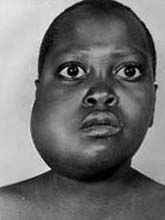
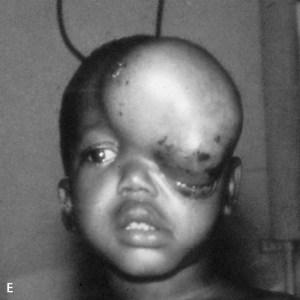
It is a form of lymphoblastic B cell non –Hodgkin’s lymphoma. It occurs predominantly in Tropical Africa and New Guinea, although it also occurs less frequently in other parts of the world.

There is strong evidence that Epstein-Barr virus plays important role in its development. The peak incidence is between the ages of 4-8 yrs.

This disorder affects mainly the mandible and maxillary bones.

This may cause marked bone deformity with loosening of teeth and if orbit is involved extrusion of the eye with loss of sight. Involvement of abdomen may occur with involvement of kidneys, adrenals, ovaries, and lymph nodes. Lesion in spinal cord may cause paraplegia. Bilateral tumors of breast may occur in young adult women.

Treated with Chemotherapy . Results particularly in African variety are good. Drug used is Cyclophosphamide 40-60mg /kg body wt every 2 wks.6 doses.

Botox

Botox

Botox is made from toxin produced by the bacterium Clostridium botulinum. It’s the same toxin that causes a life-threatening type of food poisoning called botulism. Doctors use it in small doses to treat health problems. It is now routinely used by plastic surgeons to soften facial lines by paralyzing the muscles beneath the skin, and is also used during surgery to immobilize muscles.

  • Temporary removal of facial wrinkles
  • Severe underarm sweating
  • Cervical dystonia – a neurological disorder that causes severe neck and shoulder muscle contractions
  • Blepharospasm – uncontrollable blinking
  • Strabismus – misaligned eyes
  • Children with cerebral palsy have been shown to benefit from injections of botulinum toxin (botox), the toxin, which is injected into calf muscles, can help youngsters to walk better.

The muscles of people with cerebral palsy often contract spontaneously and over-react to stimulation, a characteristic called spasticity. Injection of botulinum toxin helps to reduce spasticity and allows the person a greater degree of control over muscle movement.

Botox injections work by weakening or paralyzing certain muscles or by blocking certain nerves. The effects last about three to four months.

Side effects can include pain at the injection site, flu-like symptoms, headache and upset stomach. Injections in the face may also cause temporary drooping eyelids.

Botulism

Botulism

Botulism

Botulism is a disease that occasionally strikes people who eat badly canned food or fish in which the bacteria has grown. The bacteria for botulism are also found in soil. The bacteria produce an extremely toxic substance, botulinum that causes blurred vision, dry mouth, difficulty in swallowing or speaking, weakness, paralysis, respiratory failure and death.

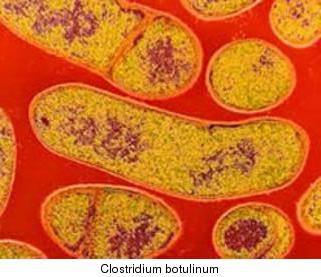
The organism causing this disease is Clostridium botulinum.

The disease may be classified as

(1) food-borne botulism, from ingestion of preformed toxin in food contaminated with C. botulinum
(2) wound botulism, from toxin produced in wounds contaminated with the organism
(3) infant botulism, from ingestion of spores and production of toxin in the intestine of infants

C. botulinum, is a group of anaerobic gram-positive organisms that form spores, is found in soil and marine environments throughout the world and produces the most potent bacterial toxin known. These are all neurotoxins.

Toxin can be inactivated during home cooking by exposure to a temperature of 100°C for 10 min. In the gastrointestinal tract, toxin resists degradation. Spores are highly heat-resistant, and their inactivation requires exposure to a temperature of 120°C (e.g., in steam sterilizers or pressure cookers).

Clinical Features

Food-Borne Botulism

After ingestion of food containing toxin, the illness may be a mild condition for which no medical advice is sought or it may also be a very severe disease that can result in death within 24 h. The onset of symptoms is with Cranial nerve involvement, which produces

  • diplopia – double vision
  • dysarthria – difficulty in speech
  • dysphagia – difficulty in swallowing

Weakness progresses, often rapidly, from the head to involve the neck, arms, thorax, and legs. The weakness is mostly symmetrical but may occasionally be asymmetric. Nausea, vomiting, and abdominal pain may precede or follow the onset of paralysis.

Patients are generally alert and oriented, but they may be drowsy, agitated.

Ptosis (drooping of eyelids) is frequent. Fixed or dilated pupils are noted in half of patients.

Paralytic ileus, severe constipation, and urinary retention may be present.

Wound Botulism

When wounds are contaminated with C. botulinum spores, the spores may germinate into vegetative organisms that produce toxin. This rare condition resembles food-borne illness except that the incubation period is longer, averaging about 10 days, and gastrointestinal symptoms are lacking. Wound botulism has been seen after traumatic injury involving contamination with soil, in chronic drug abusers, and after cesarean delivery. The illness has occurred even after antibiotics have been given to prevent wound infection. The wound may appear benign.

Infant Botulism

In infant botulism the most common form of the disease the Toxin is produced in and absorbed from the intestine after the germination of ingested spores. The severity ranges from mild illness with failure to thrive to fulminant severe paralysis with respiratory failure and may be one cause of sudden infant death. Contamination of honey with spores has been found to be one of the causes. This has led to the recommendation that honey not be fed to children less than 12 months of age. Most cases cannot be attributed to a particular food source. Cases usually involve infants less than 6 months of age.

There is another group in which the disease resembles the infant botulism in that the  toxin is produced in the intestine of a person colonized with the organism. In such cases the toxin and the spores may be found in the stool for a prolonged period. Gastrointestinal disease or surgery may predispose to such an illness.

DIAGNOSIS

A diagnosis of botulism is suspected in a person a febrile ( no fever ), mentally intact patients who have symmetric descending paralysis without sensory findings.

Conditions often confused with botulism include myasthenia gravis and Guillain-Barre syndrome, which is characterized by ascending paralysis, sensory abnormalities, and elevation of the protein concentration in cerebrospinal fluid. Other conditions resembling botulism are Lambert-Eaton syndrome, poliomyelitis, tick paralysis, diphtheria, and intoxications from mushrooms, medications, or chemicals.

PROGNOSIS

Mortality in botulism is higher among patients above age 60 than among younger patients. With improved respiratory and intensive care, the case-fatality rate in food-borne illness has been reduced.

BOTULINUM TOXIN THERAPY

Botulinum toxin is being used as therapy for strabismus, blepharospasm, and other dystonias.

Botox